MercoPress. South Atlantic News Agency



Chile's Central Bank cuts interest rate to 4.5%
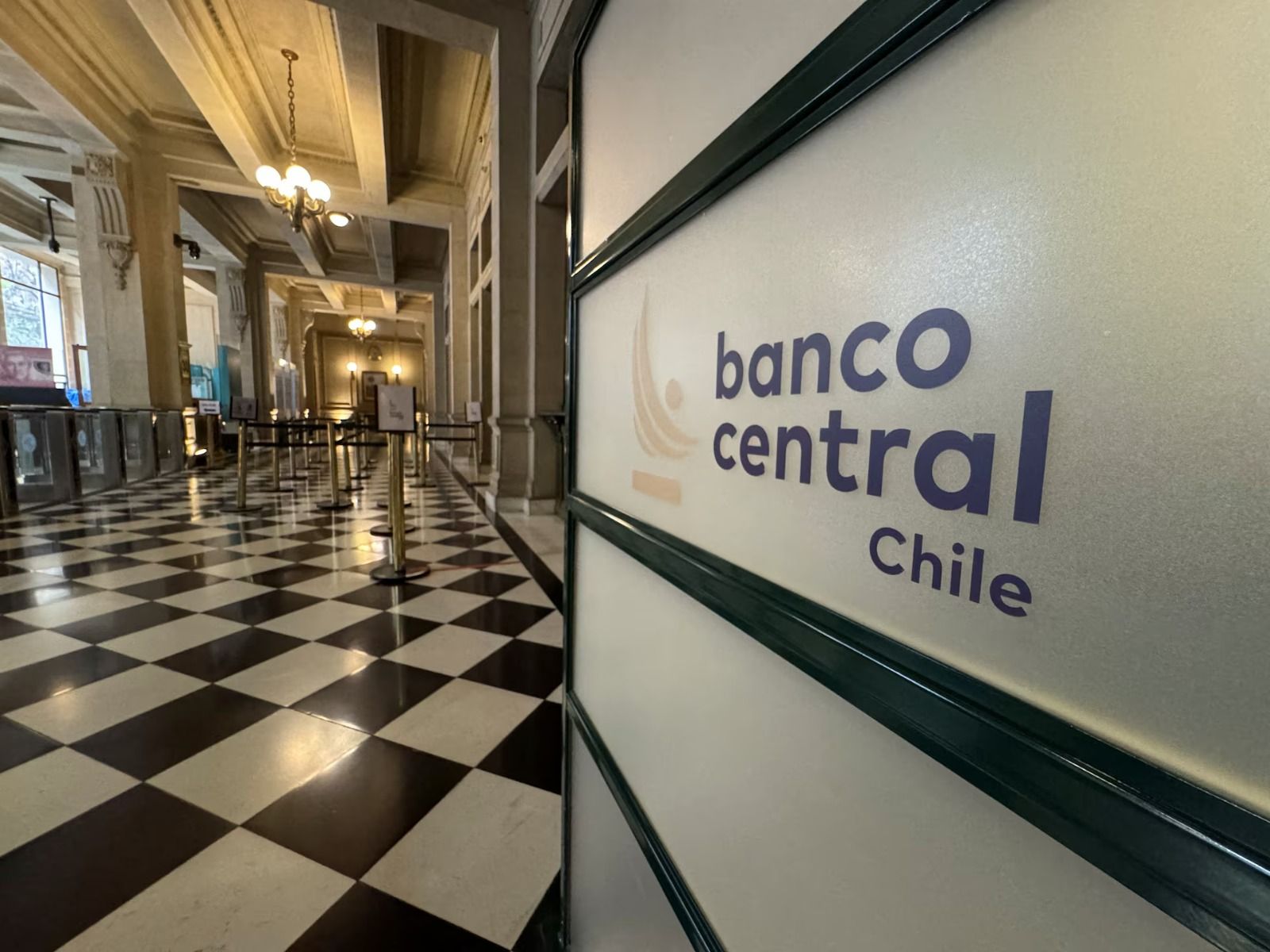 Domestic and foreign factors influenced the Central Bank's decision
 Chile's Central Bank Council voted unanimously on Tuesday to lower the Monetary Policy Rate (TPM) to 4.5% in response to a faster-than-anticipated decline in inflation and a stabilizing global economic outlook after holding rates at 4.75% during its previous session.
According to the bank's official statement, both total and core inflation fell to an annual variation of 3.4% in November. The bank now projects that inflation will reach its 3% target by the first quarter of 2026.
“Inflation has fallen faster than projected in September, in a local and global economic environment that is somewhat better than expected,” the
The Council highlighted several factors influencing the decision, such as the price of copper -Chile’s primary export- rising significantly, coupled with the US Federal Reserve's December rate cut and improved global stock market conditions, which have provided an external boost.
Additionally, local investment —particularly in machinery and equipment— has proven more dynamic than expected, though the mining sector continues to show some weakness. Furthermore, long-term interest rates have declined nationwide. The Chilean peso has appreciated, and the stock market (IPSA) has posted gains.
Despite the optimistic data, the Central Bank maintained a tone of caution, warning that “global risks remain high” and that a sudden deterioration in international financial conditions cannot be ruled out. Hence, the Council will remain flexible, adjusting future rate movements based on how the macroeconomic landscape evolves.


Top Comments
Disclaimer & comment rulesCommenting for this story is now closed.
If you have a Facebook account, become a fan and comment on our Facebook Page!