MercoPress. South Atlantic News Agency
White House expands travel ban to Palestinian Authority and other nations
 Visa overstays and security concerns prompted the updated measure
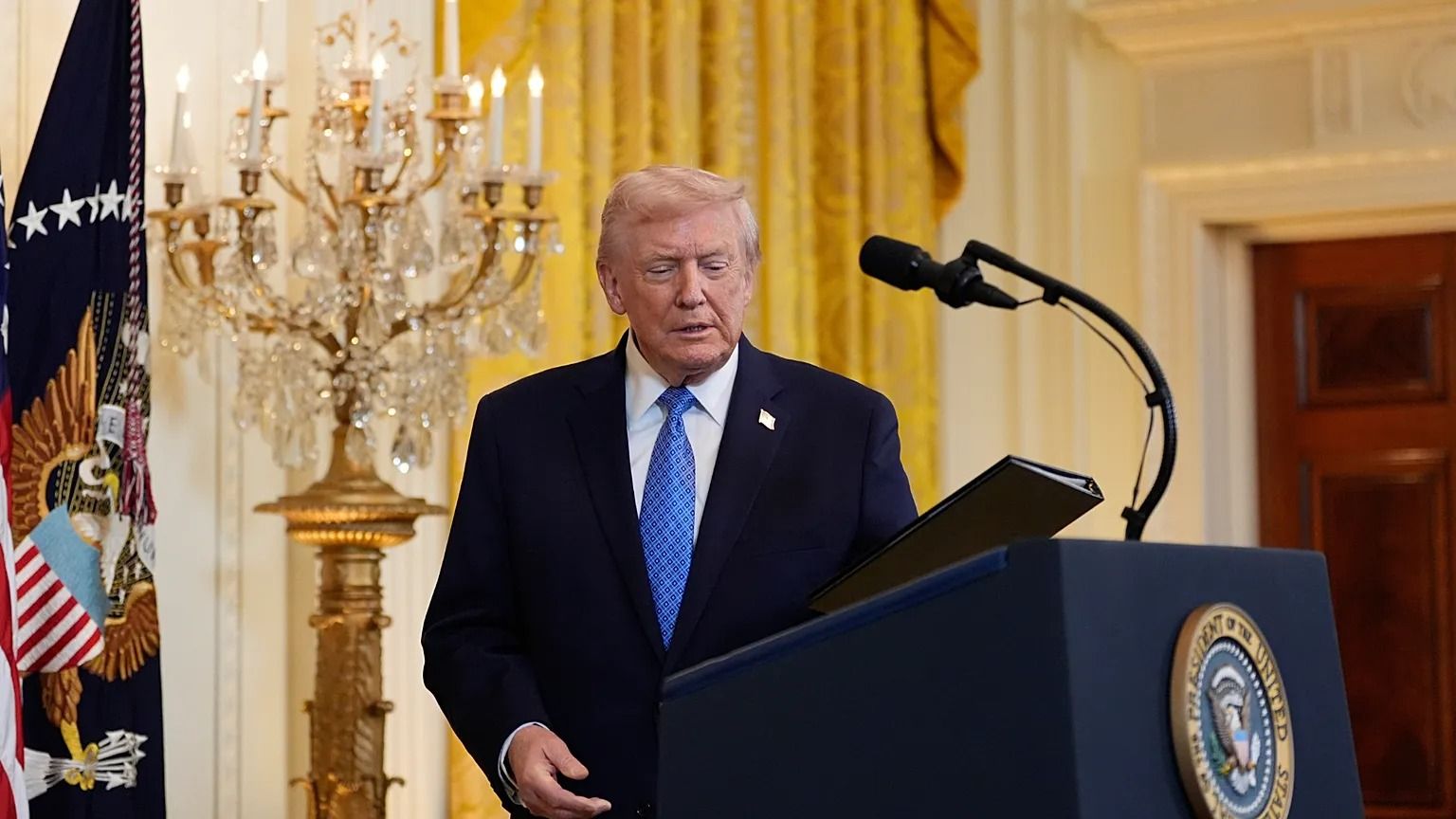
 US President Donald Trump issued a sweeping proclamation on Tuesday significantly expanding the administration's travel ban, citing national security concerns and inadequate screening procedures.
The new order imposes total entry restrictions on several countries and, for the first time, targets holders of travel documents issued by the Palestinian Authority. Washington cited the presence of sanctioned terrorist groups in the West Bank and Gaza, claiming the Palestinian Authority exercises “little or no control” over these areas, rendering their travel documents unreliable for security investigations.
The measure marks a major escalation of the administration's “border security” platform, following a previous round of restrictions implemented in June.
The White House has moved to completely limit the entry of citizens from Burkina Faso, Mali, Niger, South Sudan, Syria, and Palestine (Palestinian Authority documents). The White House noted that while new authorities are attempting to stabilize the country after years of conflict, Syria still lacks the “adequate central authority” required for secure passport issuance. Additionally, Laos and Sierra Leone, which previously faced only limited restrictions, were “promoted” to full bans.
The US Government also added 15 countries to a secondary list facing partial entry limitations, primarily due to high visa overstay rates and lack of cooperation regarding deportations: Angola, Antigua and Barbuda, Benin, Ivory Coast, Dominica, Gabon, Gambia, Malawi, Mauritania, Nigeria, Senegal, Tanzania, Tonga, Zambia, and Zimbabwe.
The move follows a series of security incidents that have fueled the administration’s hardline stance. In June, a ban was placed on a dozen countries—including Afghanistan and Haiti—following an arson attack in Colorado by an individual with an expired tourist visa.
Trump has also linked the expansion to a recent shooting of National Guard members in Washington D.C., using the incidents to criticize the previous administration’s vetting protocols.
Despite the broad nature of the ban, several exceptions remain, such as those for lawful Permanent Residents, diplomats, high-level athletes, and those with existing valid visas. The government maintains the authority to grant individual waivers for humanitarian reasons, it was also explained.
The ban on Turkmenistan was lifted following what the administration described as “productive engagement” regarding security data sharing.


Top Comments
Disclaimer & comment rulesCommenting for this story is now closed.
If you have a Facebook account, become a fan and comment on our Facebook Page!