MercoPress. South Atlantic News Agency



US steps up strikes on Iran, destroys 16 mine-laying vessels and raises pressure in Hormuz
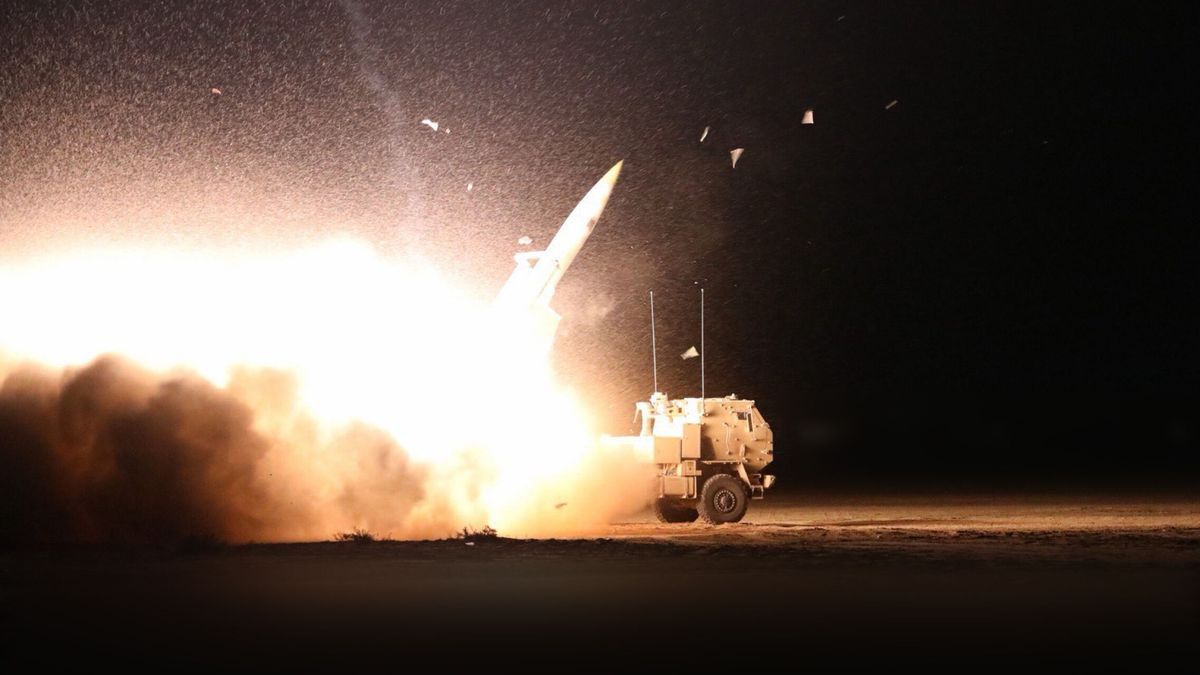 Image distributed by U.S. Central Command.
 The United States and Israel launched what the Pentagon and witnesses in Iran described on Tuesday as the heaviest day of bombing since the war began, while Washington widened operations around the Strait of Hormuz and said it had destroyed 16 Iranian mine-laying vessels. The move further increased risks around the world’s most critical energy chokepoint, through which about a fifth of global oil and liquefied natural gas normally passes.
U.S. Central Command said the 16 vessels had been “eliminated” near Hormuz. U.S. President Donald Trump had said hours earlier that 10 “inactive” mine-laying boats had been destroyed and warned that if Iran had placed mines in the strait, they had to be removed “immediately” or face military consequences of an unspecified scale.
The White House sought to preserve the idea of a quick resolution, but developments on the ground pointed in the opposite direction. Defense Secretary Pete Hegseth said the day would be the “most intense” yet for strikes inside Iran, with more fighters, more bombers and more targets hit than in earlier stages of the conflict. Reuters also reported that the war, which began on Feb. 28, has left as many as 150 U.S. troops wounded, although after publication the Pentagon put the figure at about 140 and said the vast majority of injuries were minor.
Iran, meanwhile, kept up regional pressure. Reuters reported that the Revolutionary Guards said they had fired missiles at the Al Udeid air base in Qatar and the Al Harir base in Iraq, as well as drone attacks targeting U.S.-linked facilities in the United Arab Emirates and Bahrain. New waves of missiles were also reported heading toward Israel early on Wednesday. Those assertions came from the Iranian side and were not all independently verified immediately.
The economic front remained dominated by Hormuz. Reuters said traffic through the strait has fallen 97% since the war started, citing United Nations data, while the Pentagon is studying options to escort ships safely through the waterway. Even so, the U.S. Navy has not yet begun escorting oil tankers, and the White House said an earlier message by the energy secretary claiming a successful escort was deleted because it had been incorrectly captioned.
With oil markets swinging sharply, the Wall Street Journal reported that the International Energy Agency had proposed the largest strategic stock release in its history. Reuters said the plan, still awaiting a final decision from member countries, would exceed the 182 million barrels released in 2022 after Russia’s full-scale invasion of Ukraine.


Top Comments
Disclaimer & comment rulesCommenting for this story is now closed.
If you have a Facebook account, become a fan and comment on our Facebook Page!