MercoPress. South Atlantic News Agency



Argentine gas brings relief to electricity generation in Uruguay
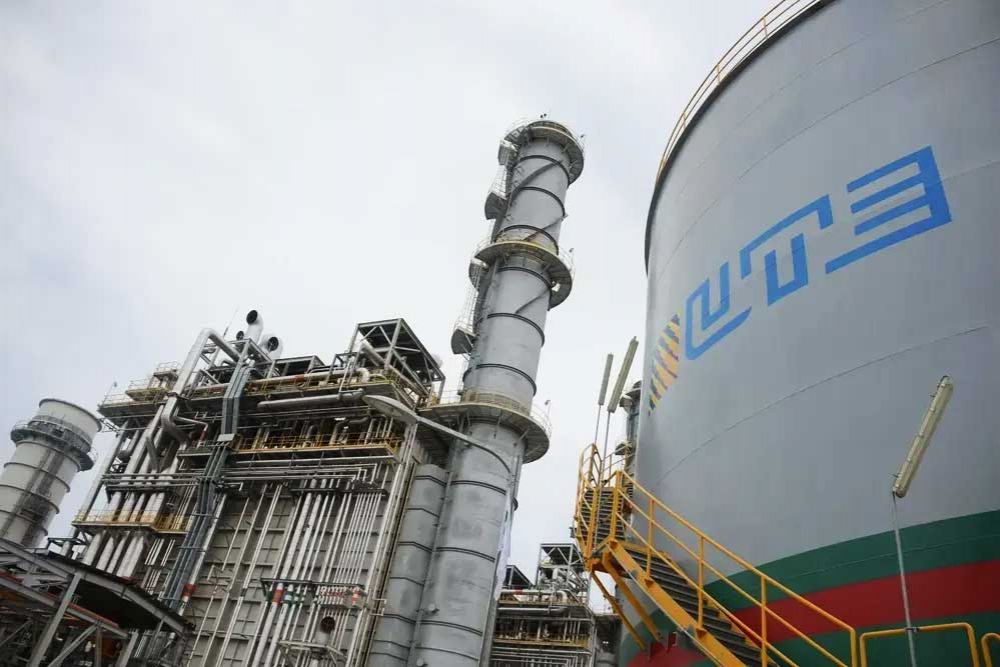 The activation of this supply line ends a 20-year period during which Uruguay paid maintenance costs for a largely idle pipeline infrastructure
 Uruguay's state-owned electricity company UTE (technically the Administración Nacional de Usinas y Transmisiones Eléctricas) announced this week that importing gas from neighboring Argentina has resulted in savings of around US$3 million in the first seven days.
After two decades of logistical preparations and diplomatic expectations, Uruguay has begun receiving natural gas from Argentina’s Vaca Muerta formation.
The deal with the firm Gasoducto Cruz del Sur allows Uruguay to tap into the Neuquén province reserves, marking a turning point in the country's energy strategy.
The primary beneficiary of the new supply is the Punta del Tigre combined-cycle power plant in San José. The facility has begun a fuel-substitution process, partially replacing expensive diesel with more cost-effective Argentine natural gas.
According to UTE President Andrea Cabrera, the initial phase of the agreement saw the consumption of 7.5 million cubic meters of gas. The resulting $3 million in savings highlights the stark price difference between natural gas and traditional liquid fuels.
“This was an energy source we always aimed to have, but the opportunity hadn't materialized until now,” Cabrera stated, noting that Uruguay had maintained the necessary pipeline infrastructure for 20 years in anticipation of this shift.
The agreement is set for an initial one-year term with renewal options, though it remains an “interruptible” contract subject to Argentine domestic demand.
With weather forecasts predicting a dry summer, UTE expects high electricity demand due to air conditioning use. The natural gas supply provides a vital buffer for thermal generation during peak consumption periods.
Cabrera explained that gas will not replace renewable sources like wind or solar. Instead, the utility uses a real-time “economic equation” to determine the most cost-effective fuel mix based on market prices.
Beyond direct costs, running turbines on natural gas reduces water consumption and slows mechanical wear and tear, effectively delaying the need for large-scale reinvestment in machinery maintenance.
Additionally, natural gas is considered a “cleaner” alternative to diesel, aligning with UTE's goals to reduce the environmental impact of its thermal backup fleet.
The activation of this supply line ends a 20-year period during which Uruguay paid maintenance costs for a largely idle pipeline infrastructure. The successful integration of Vaca Muerta gas positions UTE to better manage the fiscal volatility associated with international oil prices and regional climate fluctuations.


Top Comments
Disclaimer & comment rulesCommenting for this story is now closed.
If you have a Facebook account, become a fan and comment on our Facebook Page!