MercoPress. South Atlantic News Agency



Chilean Ambassador to New Zealand under fire after Rapa Nui post
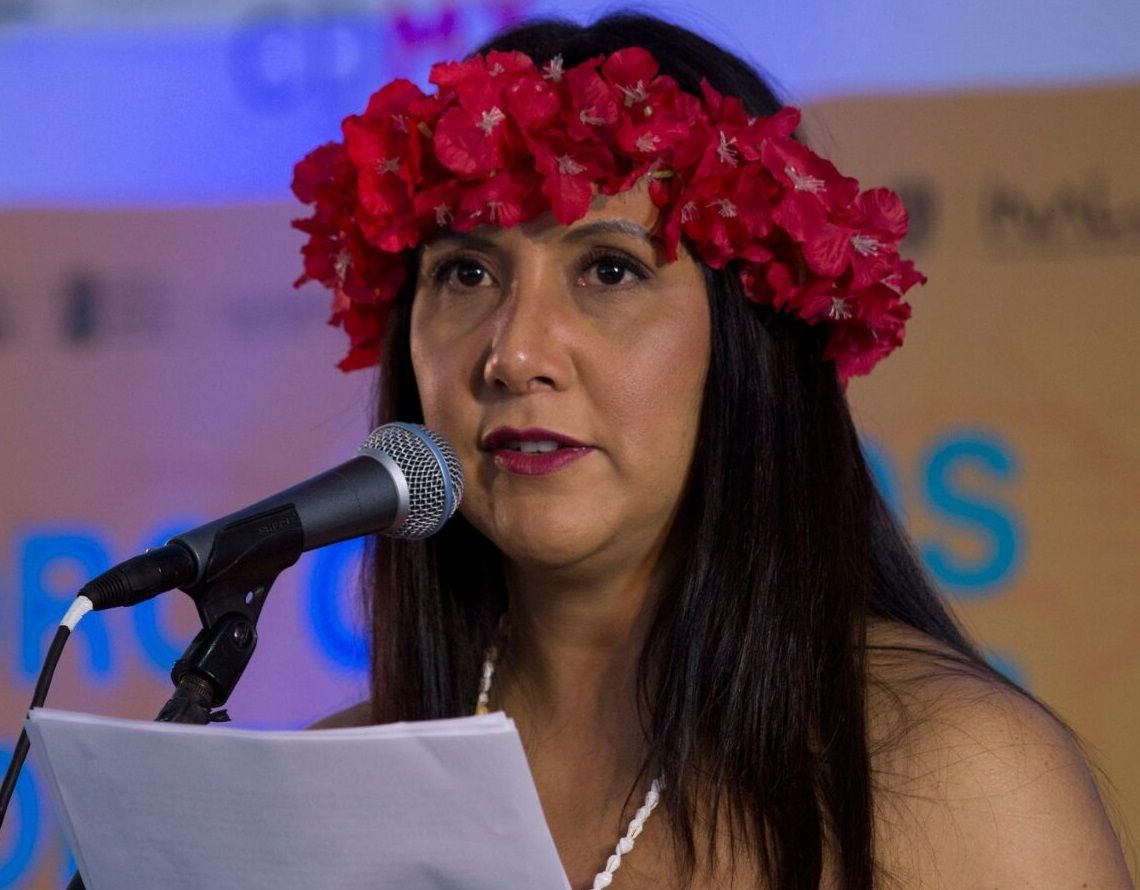 Ambassador Pakarati, of Rapa Nui heritage, hit a nerve with her comments about her ancestral people's stance on self-governance
 Diplomatic circles in Santiago are still shaky after last week's comment by the South American country's Ambassador to New Zealand, favoring self-rule by Easter Island's native Rapa Nui community.
The Chilean government of President Gabriel Boric Font is facing mounting pressure from across the political spectrum following Manahi Pakarati's remarks. While she has deleted the post and received a formal reprimand from the Foreign Ministry, calls for her dismissal have intensified.
Pakarati, a career diplomat and the first person of Rapa Nui descent to serve as Ambassador to New Zealand, sparked the debate with comments regarding the status of the island. Rapa Nui is an integral part of Chile’s Valparaíso Region but is located in Polynesia, approximately 3,700 kilometers from the mainland.
During a press conference on Monday, Interior Minister Álvaro Elizalde confirmed the government’s stance, labeling the diplomat’s conduct as “inappropriate.”
“It is clear that there was a mistake here, and that is why the Foreign Ministry reprimanded her, and she acknowledged her error,” Elizalde stated, noting that Pakarati withdrew the content immediately after the sanction. The minister added that the administration remains open to providing further details to congressional committees if summoned. The controversy has exposed ideological rifts within the Chilean legislature.
Representative Stephan Schubert of President-elect José Antonio Kast's Republican Party announced he would summon Foreign Minister Alberto van Klaveren to the Foreign Affairs Committee. Schubert questioned why Pakarati remains in her post, suggesting her position is untenable.
Senator Paulina Vodanovic of the Socialist Party -a member of Boric's ruling coalition- criticized the diplomat’s stance as being “incompatible” with the duties of an ambassador. “It is not compatible to be an ambassador for a country and have a position so distant from the foreign policy of one's own country,” Vodanovic remarked.
Meanwhile, Deputy Nathalie Castillo of the Communist Party defended the Foreign Ministry’s handling of the situation but used the occasion to highlight the “multiple demands of indigenous peoples” across the country.
Manahi Pakarati Novoa is a highly decorated official in the Chilean Foreign Service. With a 27-year career, she has served in New York (United Nations), Mexico, and as the Director of Protocol for President Gabriel Boric in 2022. She previously served as the deputy director of presidential tours during the administration of Sebastián Piñera.
The current friction centers on whether a diplomat of indigenous heritage can separate personal or ancestral views from the official territorial integrity and foreign policy of the state they represent.
While the post was quickly removed, Chilean media and congressional reports indicate that Ambassador Pakarati shared a message that touched upon the concept of self-determination or Polynesian sovereignty for Rapa Nui. The post suggested that Rapa Nui's relationship with Chile should be viewed through the lens of Polynesian decolonization rather than standard domestic administration.
As Ambassador to New Zealand and the Pacific Islands (including Fiji and Niue), Pakarati is stationed in the heart of the “Blue Pacific,” where decolonization and indigenous sovereignty are central diplomatic issues.
For the Chilean Foreign Ministry, an ambassador publicly hinting at a status other than “integral territory” is seen as a violation of the State's unitary principle, as defined in the Chilean Constitution.
Since 2007, the Chilean Constitution has defined Rapa Nui and the Juan Fernández Islands as “Special Territories.” This allows for a specific administrative regime different from other provinces. In 2018, Chile passed a law that strictly limits the right to stay and reside on the island to protect its environment and Rapa Nui culture. It is one of the few places in Chile where a citizen's right to free movement is legally restricted based on heritage or residency permits.
The 1888 Agreement of Wills between the Rapa Nui chiefs and the Chilean state provides for a definitive cession of sovereignty, which many Rapa Nui leaders argue was a “protection treaty” that preserved their right to the land and self-governance.


Top Comments
Disclaimer & comment rulesCommenting for this story is now closed.
If you have a Facebook account, become a fan and comment on our Facebook Page!