MercoPress. South Atlantic News Agency



Argentina's FM champions no joint Celac document condemning Maduro's arrest
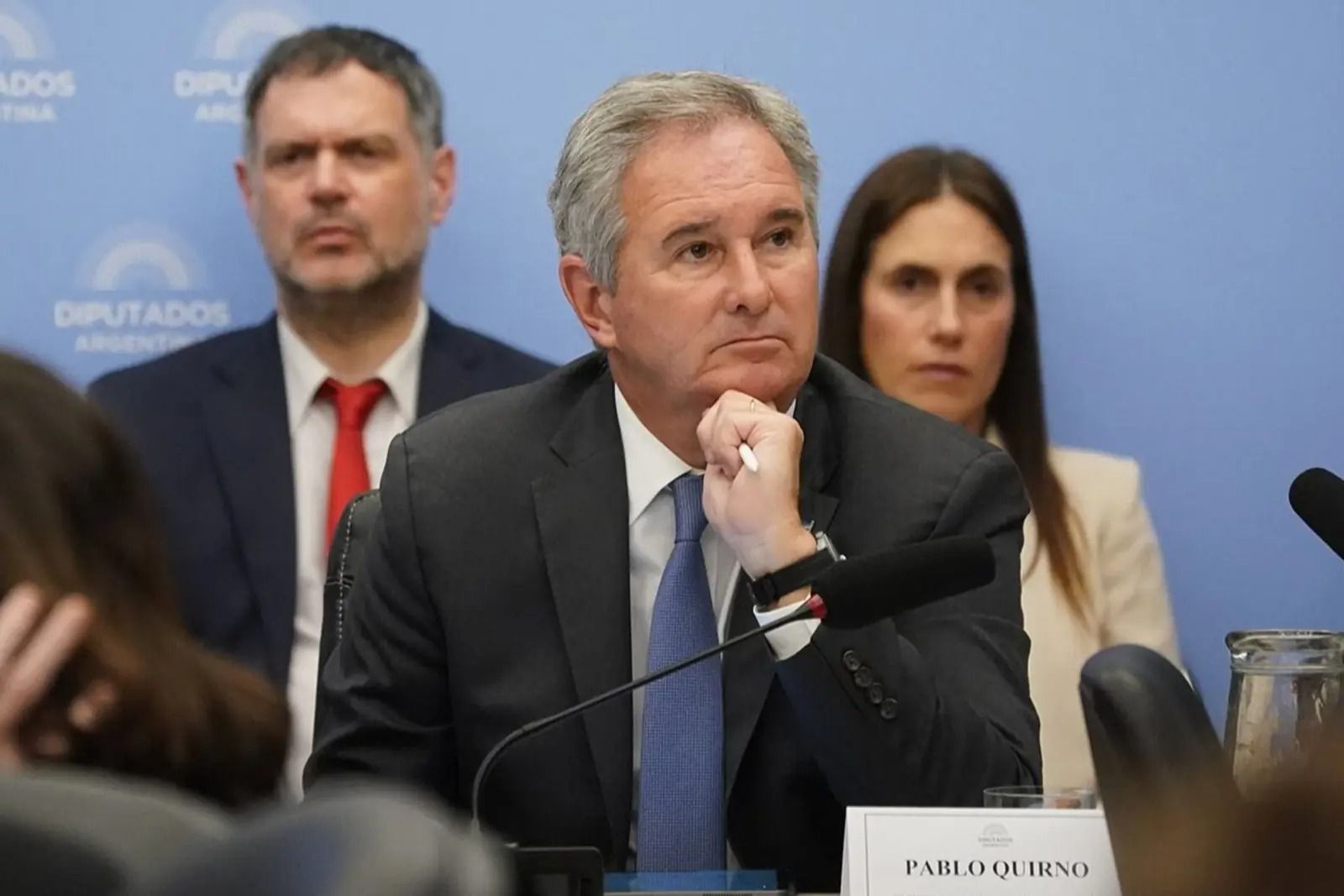 Opposite visions left the regional bloc, inspired by former Venezuelan president Hugo Chávez, increasingly fragmented
 Argentina's President Javier Milei and Foreign Minister Pablo Quirno reportedly played a key role Sunday in barring a joint statement from all members of the Community of Latin American and Caribbean States (Celac) objecting to Washington's operation in Caracas to abduct Nicolás Maduro.
Due to Milei's and Quirno's swift intervention with other countries endorsing the Libertarian government's position, a virtual summit ended without a joint statement, exposing cracks within the regional organization.
The meeting, convened urgently by Colombian President Gustavo Petro, was held by videoconference and attended by foreign ministers and diplomatic representatives from the 33 countries that make up the forum.
Joining Argentina's stance were Paraguay, Peru, Bolivia, Costa Rica, Ecuador, El Salvador, Panama, the Dominican Republic, and Trinidad and Tobago. This group rejected any statement that could be interpreted as a political defense of the Venezuelan regime or a direct criticism of Washington.
Argentina's position was key to articulating that veto minority. Quirno promoted a strategy in clear disagreement with the approach promoted by Petro and supported by governments aligned with the Bolivarian axis, including Cuba, Nicaragua, and Honduras.
While Chilean President Gabriel Boric Font joined in the criticism of US actions, President-elect José Antonio Kast celebrated Maduro's arrest and described it as a turning point in curbing the expansion of drug trafficking and organized crime in the region.
In Honduras, incumbent President Xiomara Castro was one of the harshest voices against the capture of the Venezuelan leader, but Nasry Asfura publicly supported the operation, labeling it a step forward in the defense of freedom and human rights.


Top Comments
Disclaimer & comment rulesCommenting for this story is now closed.
If you have a Facebook account, become a fan and comment on our Facebook Page!