MercoPress. South Atlantic News Agency



The “Real” Currency of 2026: Why Latin American Bettors Are Dumping Fiat for USDT & Bitcoin
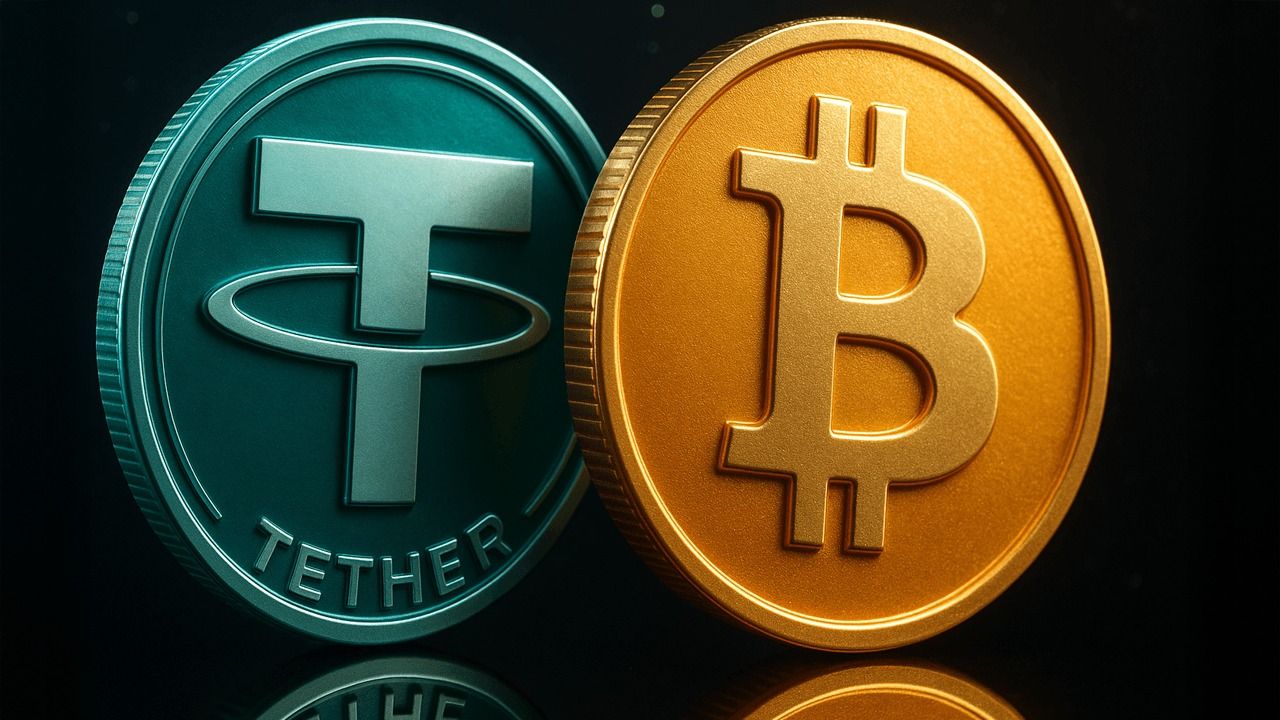
In January 2026, the economic landscape of Latin America will still be a study in contrasts. While Brazil’s newly matured regulated iGaming market is generating record tax revenues, other major economies in the region continue to be plagued by inflation and currency volatility. For the average consumer, this volatility is problematic; for high-volume online poker players and casino enthusiasts, it can be financially devastating.
Historically, the online gambling industry in South America has relied heavily on local payment methods such as Boletos, Pix and direct bank transfers. However, a significant shift has occurred over the last twelve months. Sophisticated players are no longer viewing cryptocurrency as a speculative asset, but rather as a necessary hedge. The narrative has shifted from 'crypto is fun' to 'crypto is safe', with stablecoins such as USDT (Tether) and decentralised assets such as Bitcoin becoming the preferred currency for the region’s iGaming sector.
The Flight to Stability
The primary driver of this trend is straightforward: the preservation of value. In markets where local currencies can fluctuate wildly against the dollar within a week, holding a gambling bankroll in fiat currency poses a risk. Professional poker players and high-stakes bettors cannot afford to win at the tables only to lose money due to exchange rates when they withdraw their funds weeks later.
This has led to a massive migration toward platforms that bypass traditional banking rails entirely. Players are increasingly seeking out best crypto poker sites and Bitcoin-friendly casinos, not just for the anonymity they offer, but for the financial stability of holding balances in hard crypto or USD-pegged stablecoins. By operating in a currency that is immune to local inflation spikes, these platforms offer a layer of financial security that traditional, fiat-only operators simply cannot match.
Speed as a Utility
In 2026, the 'speed of money' has become the defining metric for user satisfaction, beyond inflation. Although Latin American fintech has improved drastically, international withdrawals from traditional gambling sites can still take days to clear and are often subject to bureaucratic red tape and high foreign exchange fees.
If you're a “grinder”, you know, someone who's into gambling as a way of making extra cash, then having cash on hand is super important. Being able to move funds from a poker room to a digital wallet in minutes rather than days allows for a more fluid capital strategy. This is particularly relevant in the high-stakes ecosystem, where opportunity cost is a real consideration. If a tournament starts in an hour, waiting three days for a bank transfer to clear is not an option. Crypto infrastructure has solved this issue, making it the default standard for this demographic.
The “Provably Fair” Standard
Another factor driving this adoption is trust. As the Latin American market becomes more regulated, players are becoming better informed about game integrity. The rise of blockchain-based casinos has introduced the concept of 'provably fair' gaming, with algorithms that allow players to verify the randomness of each hand or spin.
Although traditional regulated markets such as Brazil's undergo strict audits, the transparency offered by blockchain technology is appealing to a sceptical, tech-savvy demographic. This bridges the gap between the 'wild west' of early crypto casinos and the modern, secure platforms we see today. Operators who combine the regulatory compliance of traditional finance with the transparency of blockchain technology will survive in 2026.
Outlook for the Rest of 2026
As the year progresses, the distinction between 'recreational' and 'professional' platforms is likely to become more pronounced. Mass-market operators will continue to prioritise local fiat methods such as Pix for onboarding casual users. However, the high-value segment will almost exclusively operate in the crypto sphere. This group includes the VIPs, the grinders and the whales.
For investors and industry analysts observing the Mercosur region, the conclusion is clear: crypto in iGaming is no longer confined to tech enthusiasts. It has become the primary infrastructure for wealth preservation in a volatile economic environment. Platforms offering seamless crypto on-ramps and stablecoin balances will capture the region's most valuable players.


Top Comments
Disclaimer & comment rulesCommenting for this story is now closed.
If you have a Facebook account, become a fan and comment on our Facebook Page!