MercoPress. South Atlantic News Agency


Argentina hits oil output record on Vaca Muerta as Brent tops $80 on Iran war
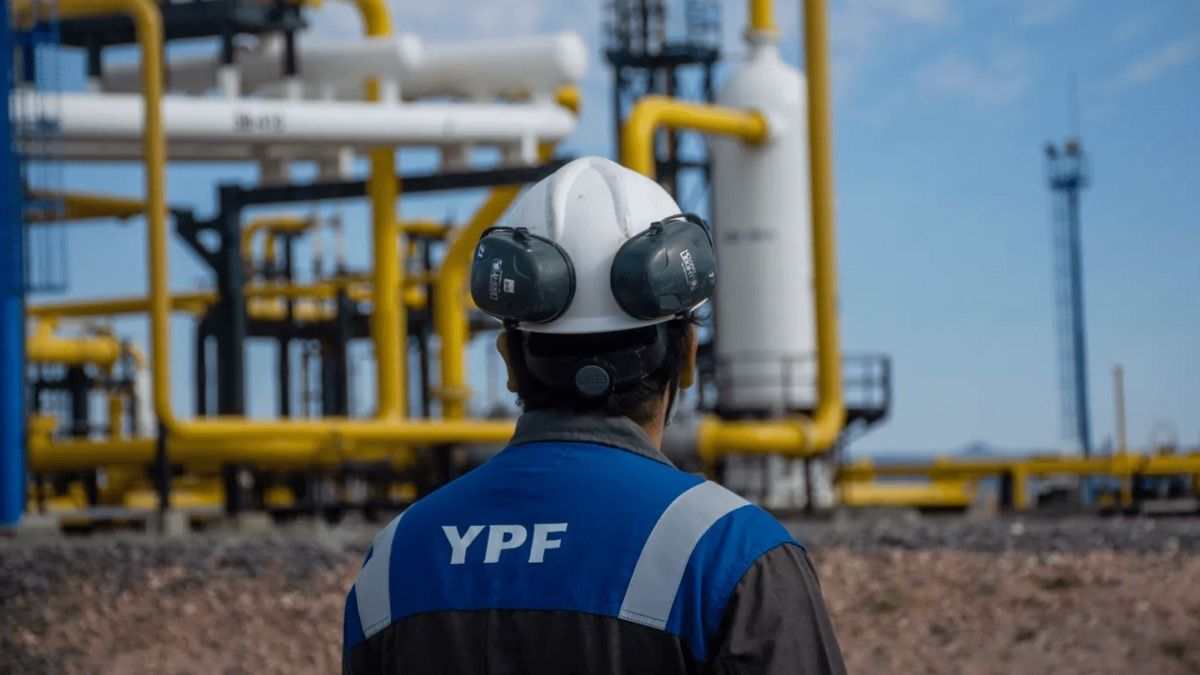 Official data put January production at 4,262,675 cubic meters, topping the previous high set in December 2025
 Argentina posted its highest monthly crude output on official record in January, at a time when global energy markets are again under strain from the Iran–Israel–US conflict and renewed pressure on key supply routes.
Official data put January production at 4,262,675 cubic meters, topping the previous high set in December 2025 (4,245,403 cubic meters).
The increase extends a rapid uptrend tied to unconventional development: January output was 15.7% higher than the same month in 2025. In a social-media post, Argentina’s Economy Ministry said the country averaged 882,200 barrels per day, up 16.5% year over year, and linked the gains to Vaca Muerta, where production rose 35.5% versus a year earlier.
Neuquén accounts for roughly seven out of every ten barrels
A provincial breakdown highlights a widening gap between Neuquén’s shale-driven growth and declines in legacy basins. Neuquén produced 2,971,259 cubic meters—about 69.7% of the national total—and logged year-over-year growth of roughly 32%, based on the Energy Secretariat figures reproduced in the press.
Elsewhere, several conventional provinces fell back. Chubut produced 587,163 cubic meters (down 6.5% year over year), Santa Cruz 255,014 cubic meters (down 21.5%), and Mendoza 240,586 cubic meters (down 10.6%), using the same dataset. Río Negro, while still small (114,849 cubic meters), posted an annual increase of about 7%.
Higher prices and shipping risk: the Hormuz factor
Argentina’s record output comes as Middle East risk lifts oil prices. In London, Brent settled Tuesday above $81 on supply fears tied to the war and the Strait of Hormuz, EFE reported.
On Wednesday, prices remained elevated: Brent around $82.5 and WTI near $75, as traders priced in regional disruptions while watching for signs of possible de-escalation, according to Reuters.
Hormuz is a critical chokepoint for global energy flows. International coverage has described it as a route for about one-fifth of seaborne oil and gas, and uncertainty around safe passage has fed risk premiums and higher freight costs.
Export upside, domestic pressure
For Argentina, the backdrop brings both opportunity and stress. Higher global prices can boost export revenues—especially for shale producers—while also increasing the risk of pass-through into domestic fuel prices and logistics costs. Argentine outlets have noted that crude is a key input in pump pricing, meaning a sustained Brent rally can quickly reignite the debate over retail adjustments.


Top Comments
Disclaimer & comment rulesCommenting for this story is now closed.
If you have a Facebook account, become a fan and comment on our Facebook Page!