MercoPress. South Atlantic News Agency


EU-Mercosur trade deal takes effect provisionally as legal challenge awaits ruling
 Practical implementation is already showing its first challenges
 A month after the provisional entry into force of the trade agreement between the European Union (EU) and Mercosur, exchanges have been governed since May 1 by the terms agreed upon, while political and legal attention in Brussels centers on the EU Court of Justice, which must rule on the validity of the mechanism chosen to launch the treaty.
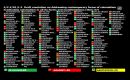
The referral to the bloc's top court stemmed from a European Parliament resolution, passed in January by a narrow margin (334 votes in favor and 324 against), requesting an opinion on the agreement's compatibility with the EU treaties. The step does not block provisional application but keeps parliamentary ratification on hold. The European Commission stressed that it is a request for an opinion and not a direct challenge to the agreement's content, and recalled that there are favorable precedents in the court's case law on other large-scale trade treaties.
Estimates within the bloc suggest the ruling could come before the end of 2027, after which the agreement would have to be voted on again at the parliamentary level, both in the EU and in the member states. Senior officials argue that the Council's decision to enable provisional application constitutes institutional backing that is hard to reverse, citing as an example the agreement with Canada (CETA), provisionally in force since 2017.
The Commission's trade spokesperson, Olof Gill, defended the deal's significance: “It is of titanic importance economically, given the powers it involves,” he said.
Resistance persists. France leads the group of most critical countries —President Emmanuel Macron warned that the domestic political context makes a final conclusion difficult— along with Poland and other governments with reservations, linked mainly to the impact of market opening on agricultural sectors. Even so, the prevailing view in the Commission is that a collapse of the deal would carry political costs that are too high: backtracking after enabling its entry into force would damage the bloc's credibility as a trade actor.
Practical implementation is already showing its first challenges. The distribution of beef import quotas remains under observation: a first quarterly allocation among importers was made in May, though European authorities acknowledge they still lack a definitive picture. “It is not our problem how they distribute it; that is decided by the Mercosur countries,” they clarified. A new allocation is scheduled for August. The Commission also acknowledged that statements by Argentine President Javier Milei against climate change and his threat to leave the Paris Agreement —one of the pillars of the deal— prompted internal discussions, though it considers that Argentina's adherence to that environmental commitment outweighs its domestic policies.


Top Comments
Disclaimer & comment rulesCommenting for this story is now closed.
If you have a Facebook account, become a fan and comment on our Facebook Page!