MercoPress. South Atlantic News Agency


Global opposition to U.S. policy gains momentum after Davos confrontations
 Although there is no single, unified global opposition bloc, the convergence of criticism from diverse regions highlights a trend toward a more multipolar diplomatic environment
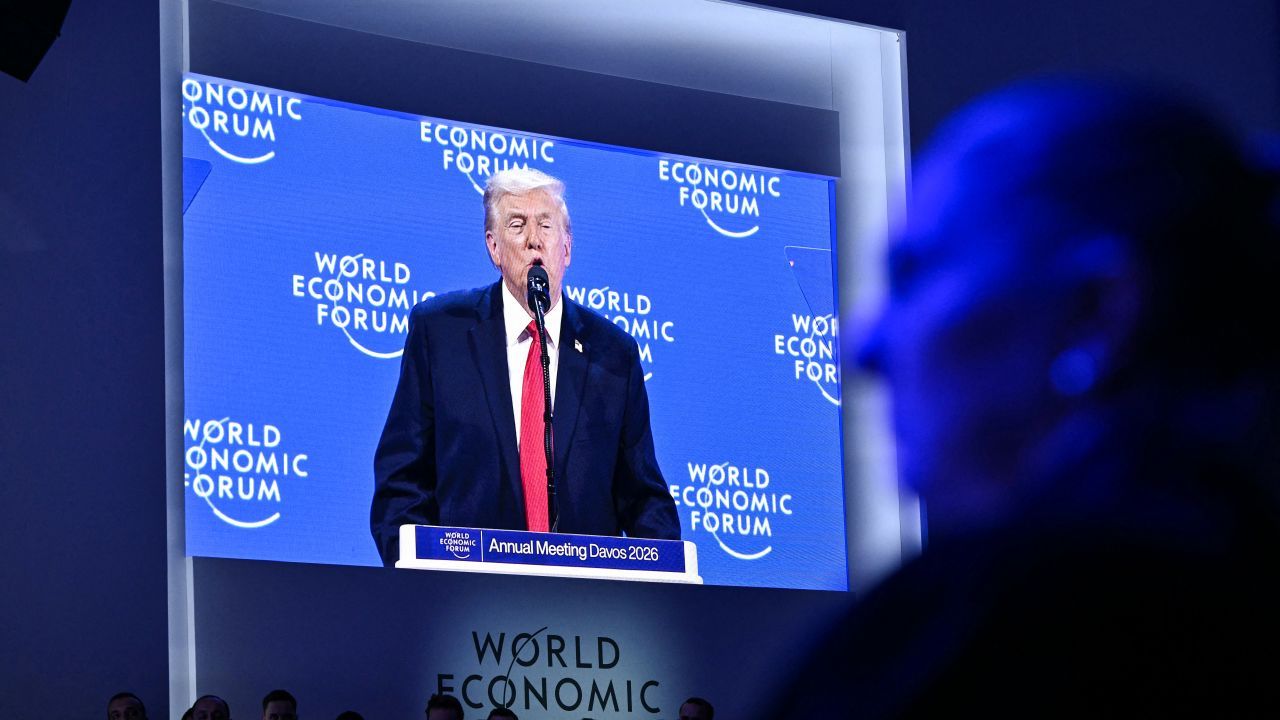
 Global opposition to United States foreign and trade policies has intensified in the wake of sharp confrontations at the World Economic Forum in Davos 2026, with leaders from Europe, Asia, and Latin America pushing back against unilateral U.S. initiatives, including strategic pressure tactics.
At Davos, the pushback was unusually blunt. French President Emmanuel Macron called President Donald Trump’s tariff threat against European allies “fundamentally unacceptable” and said the European Union should be ready to deploy its anti-coercion mechanism — the so-called “trade bazooka.” “Can you imagine that? This is crazy,” Macron said, referring to the prospect of curbing U.S. access to European markets.
Belgian Prime Minister Bart De Wever warned the bloc was “at a crossroads” and urged a coordinated response. “So we should unite and we should say to Donald Trump … ‘You’re crossing red lines here’,” he said, framing Europe’s choice starkly: “We either stand together or we will stand divided.”
The opposition extends well beyond Europe. Countries including China, India, Canada and Brazil have voiced concerns about what they see as coercive or unilateral U.S. approaches on trade and global security, arguing that such steps weaken multilateral cooperation and the rules-based international order that took shape after World War II.
At Davos, frustration also surfaced in debates over how to reduce strategic dependencies — energy, supply chains, critical infrastructure — without dismantling existing alliances. Against that backdrop, European leaders were preparing an emergency summit in Brussels to coordinate positions amid the Greenland dispute and tariff threats, while Washington urged the EU not to retaliate.
International relations analysts say the moment could mark a pivot: long-standing alliances are being reassessed as U.S. foreign policy grows more assertive, and several governments have accelerated outreach and deals with other power centres — including China — across infrastructure, energy and technology to balance geopolitical influence.
While there is no single, unified opposition bloc, the convergence of criticism from diverse regions points to a more multipolar diplomatic environment. In that climate, trade, collective security and sovereignty have moved back to the top of the international agenda — and the room for ambiguity is shrinking.


Top Comments
Disclaimer & comment rulesCommenting for this story is now closed.
If you have a Facebook account, become a fan and comment on our Facebook Page!