MercoPress. South Atlantic News Agency


Winter storm triggers worst U.S. flight-cancellation day since the pandemic, officials say
 At major airports along the Northeast corridor the FAA warned of continued weather-related delays and the possibility of ground stops due to snow and low visibility
 A sweeping U.S. winter storm of snow and ice delivered the worst single day of flight cancellations since the Covid-19 pandemic, grounding more than 11,000 flights and triggering roughly 17,000 delays on Sunday, according to U.S. Transportation Secretary Sean Duffy. The disruption, hitting during a high-volume weekend travel window, strained airlines, airports and utilities and raised the risk of continued delays into the start of the workweek.
The scale of the shutdown was reflected in flight-tracking data. Reuters reported that early Monday totals still showed about 3,800 cancellations and more than 1,000 delays, after Sunday’s peak, citing FlightAware. The storm was driven by a low-pressure system near New England, spreading freezing rain and heavy snow across the Northeast and Mid-Atlantic while also affecting parts of the Southeast coast and the Appalachian region.
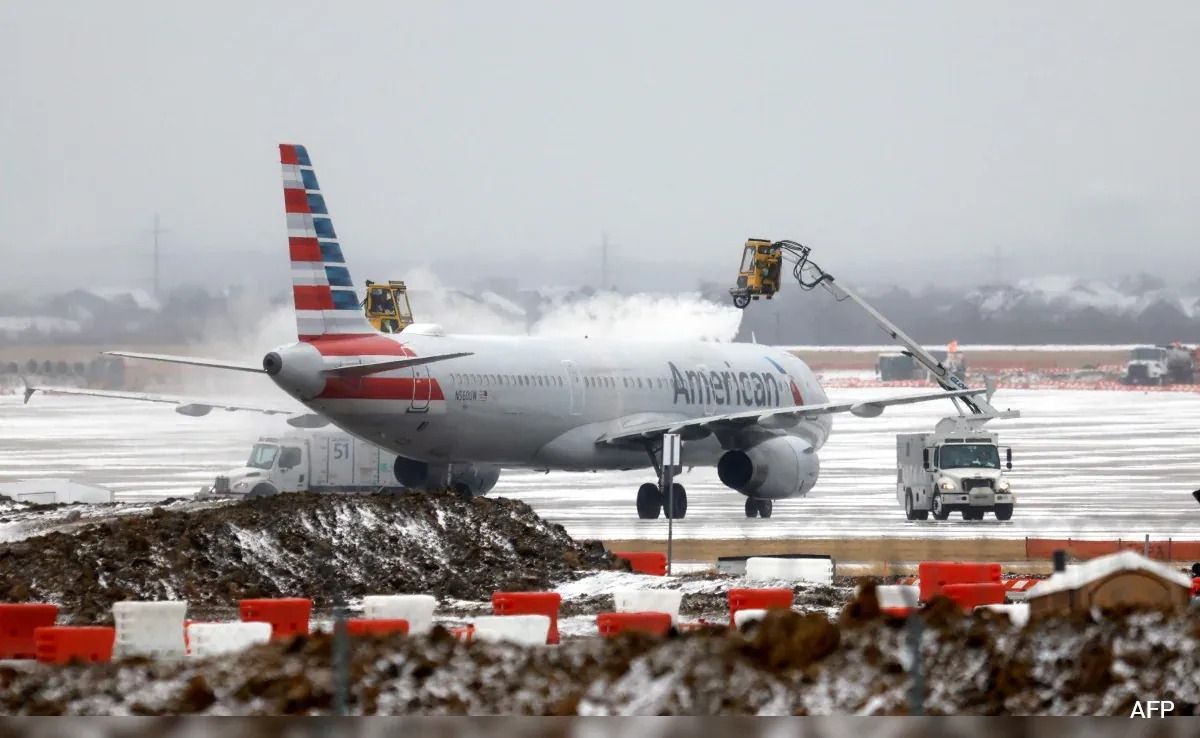
Federal aviation authorities moved into planning and recovery mode. The Federal Aviation Administration (FAA) said its command center held storm-preparation planning calls with airlines and airports, and worked with carriers to reposition aircraft ahead of anticipated closures. After the storm, the FAA said the recovery would focus on snow and ice removal, aircraft de-icing and air-traffic management measures such as reroutes and ground delays as operations ramp back up.
At major airports along the Northeast corridor — including New York-area hubs and Washington-area facilities — the FAA warned of continued weather-related delays and the possibility of ground stops due to snow and low visibility. Reuters noted that the storm heavily affected airlines with large operations in the East and South, and that carriers issued waivers and flexible rebooking options for stranded travelers.
The disruption extended well beyond commercial schedules. AP reported that more than 11,400 flights were canceled on Sunday and cited industry analytics suggesting the event ranked as the largest experienced cancellation episode since 2020, underscoring how quickly winter conditions can cascade through hub-and-spoke networks.
Outside aviation, the storm put pressure on critical infrastructure. Reuters reported that over 820,000 customers were without power across multiple states, with the Southeast particularly affected. Local authorities emphasized safety messaging over hazardous roads, downed trees and frozen pipes, while emergency declarations and response measures expanded across storm-hit areas.
For businesses, a mass flight shutdown carries immediate implications for time-sensitive air cargo, last-mile logistics and regional supply chains, at a time when weather-driven disruptions increasingly intersect with economic resilience planning. How quickly airlines, airports and air-traffic management systems normalize will determine whether the impact remains concentrated in a critical weekend or spills into broader weekly commerce and mobility.


Top Comments
Disclaimer & comment rulesCommenting for this story is now closed.
If you have a Facebook account, become a fan and comment on our Facebook Page!