MercoPress. South Atlantic News Agency

U.S. formalizes before court its recognition of Delcy Rodríguez as Venezuela’s state authority
 The filing comes just days after Washington and Caracas announced the restoration of diplomatic and consular relations
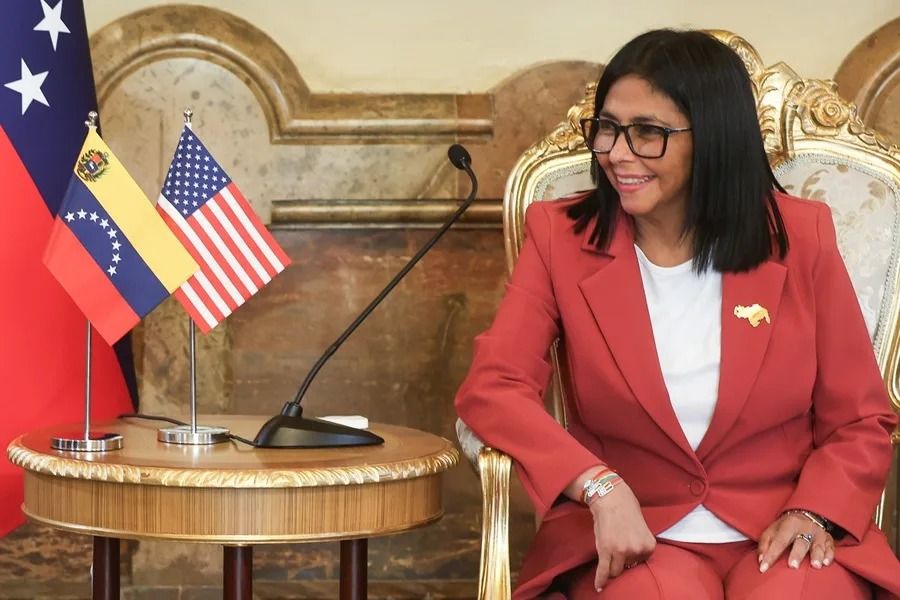
 The U.S. government has formally recognized Delcy Rodríguez before a federal court in New York as the Venezuelan authority empowered to act on behalf of the state, giving legal effect to the diplomatic shift toward Caracas announced last week. The move appears in a “statement of interest” filed on March 10 in response to a court order on who legally represents Venezuela in ongoing litigation in U.S. courts.
According to the documentation, the filing relies on a letter signed by State Department official Michael G. Kozak and says Washington recognizes Rodríguez as the “sole” head of state capable of acting for Venezuela in those proceedings. The step does not amount to an election or unconditional backing, but it does establish the U.S. government’s official position for judicial purposes in civil and criminal cases involving the Venezuelan state and assets tied to PDVSA.
The filing comes just days after Washington and Caracas announced the restoration of diplomatic and consular relations, which had been broken since 2019. In that statement, the State Department said the aim was to support a peaceful transition toward a democratically elected government while also encouraging political reconciliation, stability and economic recovery. AP reported at the time that the new channel opened after Nicolás Maduro’s capture in January and Rodríguez’s subsequent installation as interim president.


The political groundwork for this shift had been developing since early March. Rodríguez, already acting as interim president, had defended “diplomatic dialogue” with Washington after the relaunch of bilateral ties. That marked a contrast with the earlier U.S. stance: since 2019, Washington had rejected Maduro’s legitimacy and for a period recognized Juan Guaidó as interim president before shifting to backing the 2015-elected National Assembly as the last democratic institution still standing.
The immediate reach of the recognition is primarily legal. In U.S. courts, determining who speaks for a foreign state decides who can appoint lawyers, answer lawsuits, defend assets and take procedural decisions. The filing in New York therefore strengthens Rodríguez’s camp in representing Venezuela in ongoing U.S. litigation, a particularly sensitive issue in cases involving sanctions, human rights claims, terrorism and state-owned assets.
The move, however, does not settle the wider controversy. Washington’s broader strategy combined engagement with Rodríguez and legal pressure on her circle, including a draft corruption and money-laundering indictment used as leverage. That dual track suggests the recognition is not full normalization or political endorsement, but a pragmatic arrangement to manage the transition and the legal and diplomatic interests of both countries.


Top Comments
Disclaimer & comment rulesCommenting for this story is now closed.
If you have a Facebook account, become a fan and comment on our Facebook Page!