MercoPress. South Atlantic News Agency

Trump taps Kevin Warsh to lead the Federal Reserve, setting up a high-stakes confirmation fight
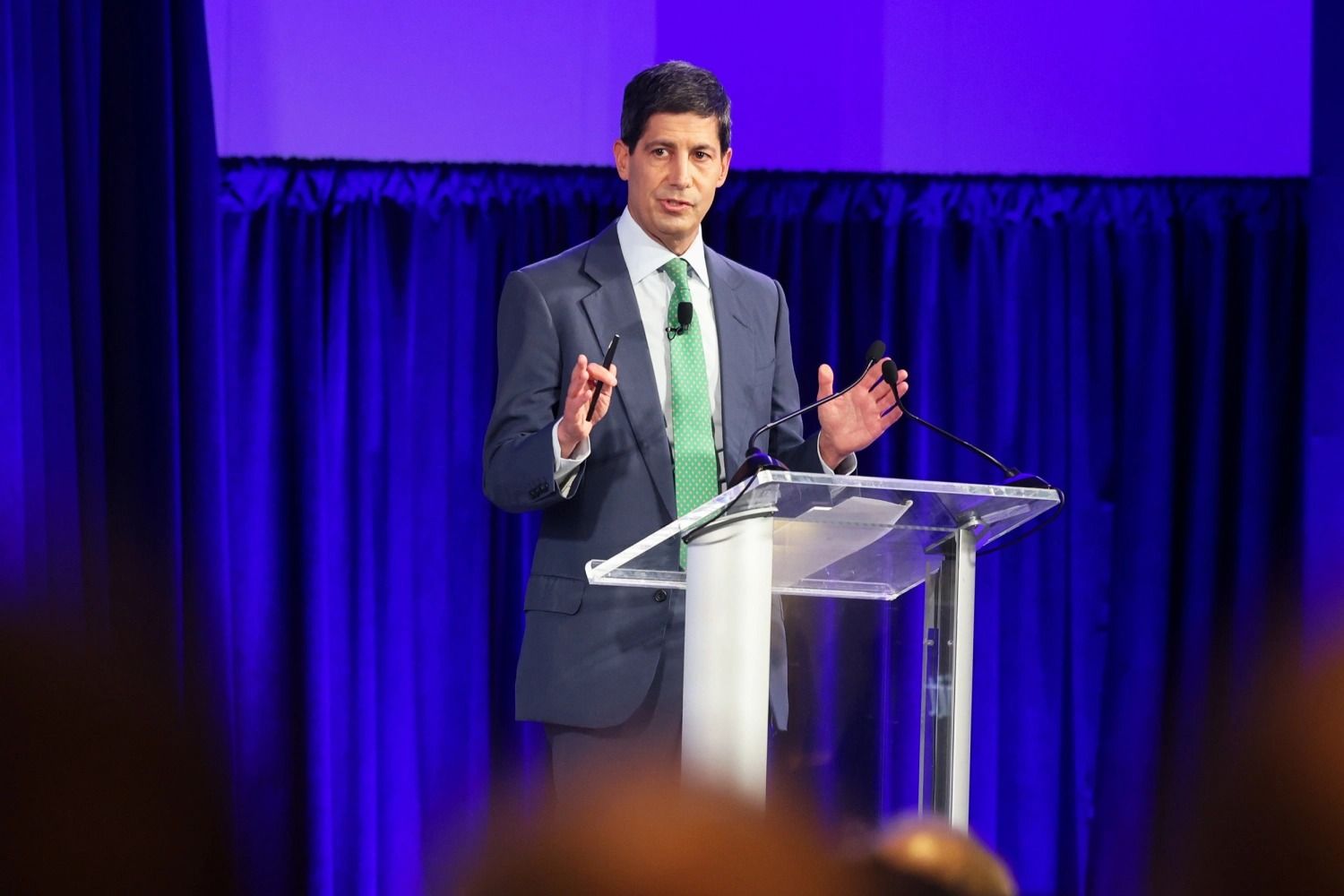 Trump has repeatedly attacked Powell for not cutting interest rates faster and has argued the U.S. should be paying substantially lower borrowing costs
 Donald Trump said on Friday he will nominate Kevin Warsh, a former Federal Reserve governor, to become the next chair of the U.S. central bank, replacing Jerome Powell when Powell’s term as chair expires in May. The announcement, delivered via Truth Social, follows months of speculation over who would inherit the world’s most consequential monetary-policy job.
Warsh will not take office automatically. His nomination must clear hearings and a vote in the U.S. Senate Committee on Banking, Housing, and Urban Affairs, and the path is complicated by a separate political storm: a criminal inquiry in Washington into Powell linked to cost overruns at the Fed’s headquarters renovation. Reuters reported that Sen. Thom Tillis, a Republican, has warned he will oppose moving forward on Fed nominations while that case remains unresolved, raising the prospect of delays and procedural brinkmanship.
Trump has repeatedly attacked Powell for not cutting interest rates faster and has argued the U.S. should be paying substantially lower borrowing costs. The Warsh pick initially calmed some market anxiety because he is widely viewed as an institutional, finance-literate figure rather than a purely political loyalist. Still, the nomination revives a core question for investors and U.S. allies: whether Fed independence can hold under sustained White House pressure.
Warsh, 55, served on the Federal Reserve Board of Governors from 2006 to 2011, spanning the 2008 financial crisis, and later moved between policy, academia and corporate roles. AP notes that he was the youngest governor in Fed history when appointed, and that his return could reshape how the institution communicates and approaches rate decisions, particularly if he supports a faster easing cycle.
One unresolved issue is Powell’s own next move. Reuters has noted that while Fed chairs typically step aside once a successor is installed, the current political environment has fueled speculation Powell could remain on the Board beyond May, potentially acting as a stabilizing presence during the transition.


Top Comments
Disclaimer & comment rulesCommenting for this story is now closed.
If you have a Facebook account, become a fan and comment on our Facebook Page!