MercoPress. South Atlantic News Agency


Falklands 1690, when English Captain John Strong made the first recorded landing
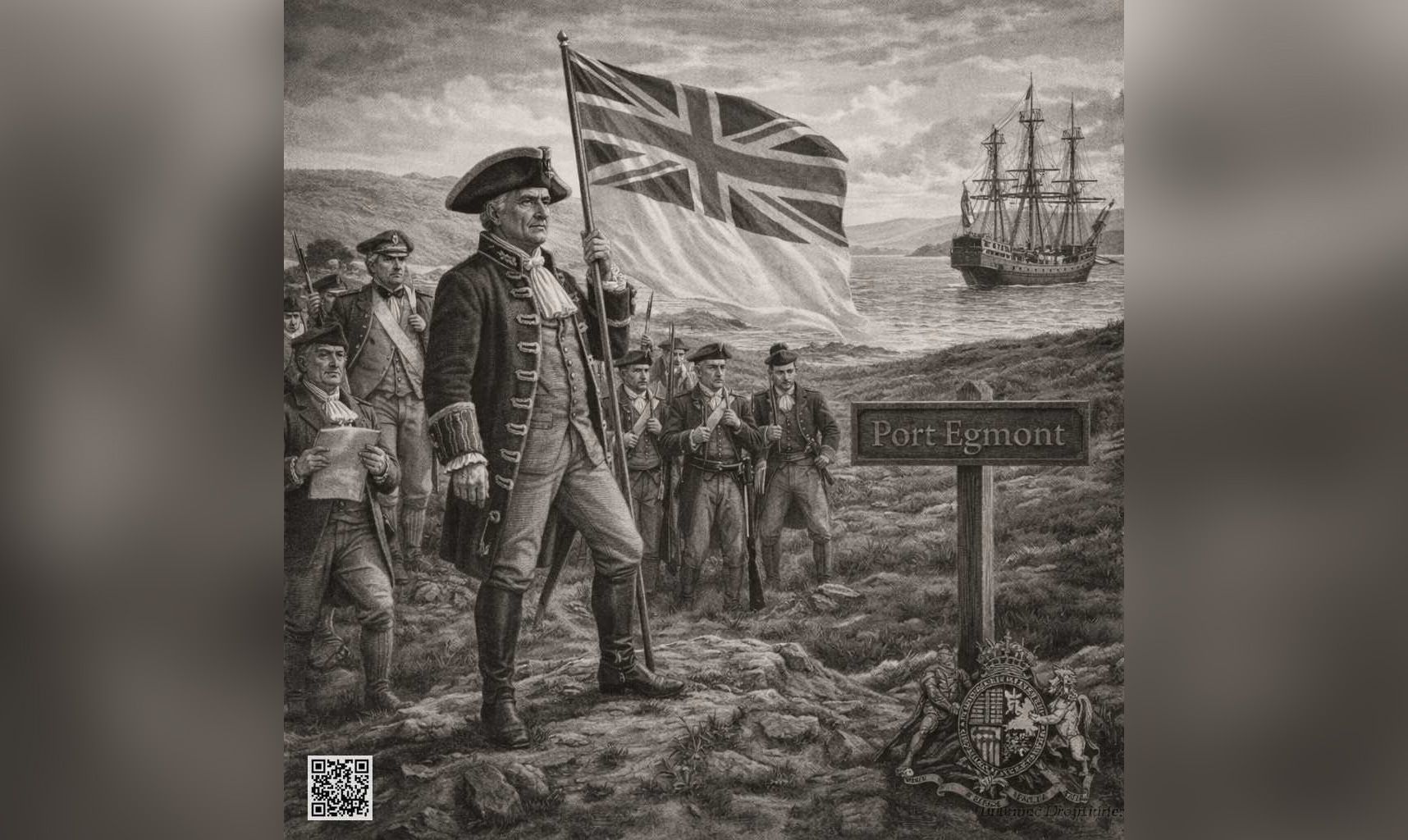 Captain John Strong in 1690 named Falkland Sound the waterway dividing East and West islands in Falklands
 The Falkland Islands derive their name from Falkland Sound, the name given to the waterway between the two main islands, East and West Falkland by Captain John Strong, who spent several days in the Islands on his ship Welfare in January 1690.
Falkland Sound was itself named after the 5th Viscount Falkland, one of the owners of Welfare, and then Lord of the Admiralty. Captain Strong was the first person to have been recorded as landing in the Islands, although the first reported sighting was by English navigator Captain John Davis in 1592.
The Falkland Islands have never had any native inhabitants and no indigenous people have ever been displaced, instead the Islands were entirely unoccupied until 1764/66, when they were first claimed by the British who established a garrison at Port Egmont. Over the years, the British, French and Spanish periodically had garrisons within the Islands.
In effect the first recorded landing was not until 1690, when the English sea captain, John Strong, came ashore at Bold Cove near Port Howard from the “Welfare”. The Falkland Islands were not settled until 1764 (by the French) and 1766 (by the British). Davis’ ship “Desire” is featured prominently on the Falkland Islands coat of arms and in the motto: ‘Desire the Right’.


Top Comments
Disclaimer & comment rules-

-

-

Read all commentsRegardless the UK can rely on the Peace of Utrecht, which explicitly bars any Argentine claim of succession.
Feb 02nd, 2026 - 03:06 pm +3“...it is hereby further agreed and concluded, that neither the Catholic King, nor any of his heirs and successors whatsoever, shall sell, yield, pawn, transfer, or by any means, or under any name, alienate from them and the crown of Spain, to the French, or to any other nations whatever, any lands, dominions, or territories, or any part thereof, belonging to Spain in America.”
“The English navigator John Davis in the Desire may have been the first person to sight the Falklands, in 1592, but it was the Dutchman Sebald de Weerdt who made the first undisputed sighting of them about 1600.”
https://www.britannica.com › place › Falkland-Islands › History
“1690 - First Recorded Landing
An English navigator Captain John Strong, in his ship the Welfare makes the first recorded landing on the Falklands - believed to be at Bold Cove, Port Howard, on the west island.
Captain Strong named the channel dividing the two main islands “Falkland Sound” after Viscount Falkland, Treasurer to the Royal Navy”
https: //falklands-museum.com/early-history
“It has been established that the first specific map of the islands was made in 1520”
Feb 02nd, 2026 - 11:08 pm +3It has been established that the sovereignty was, and is indisputably British; under all the required tenets of international law.
“The British clandestinely established themselves in Port Egmont/Port of the Crusade two years late”
Feb 03rd, 2026 - 12:09 pm +3You bear the burden of proof. No proof no truth.
“An assertion is a statement offered as a conclusion without supporting evidence. Since an argument is defined as a logical relationship between premise and conclusion, a simple assertion is not an argument.”
Ignoring the Burden of Proof http ://learn.lexiconic.net/fallacies/index.htm
Commenting for this story is now closed.
If you have a Facebook account, become a fan and comment on our Facebook Page!