MercoPress. South Atlantic News Agency



Starmer loses key aide as McSweeney quits over Mandelson scandal
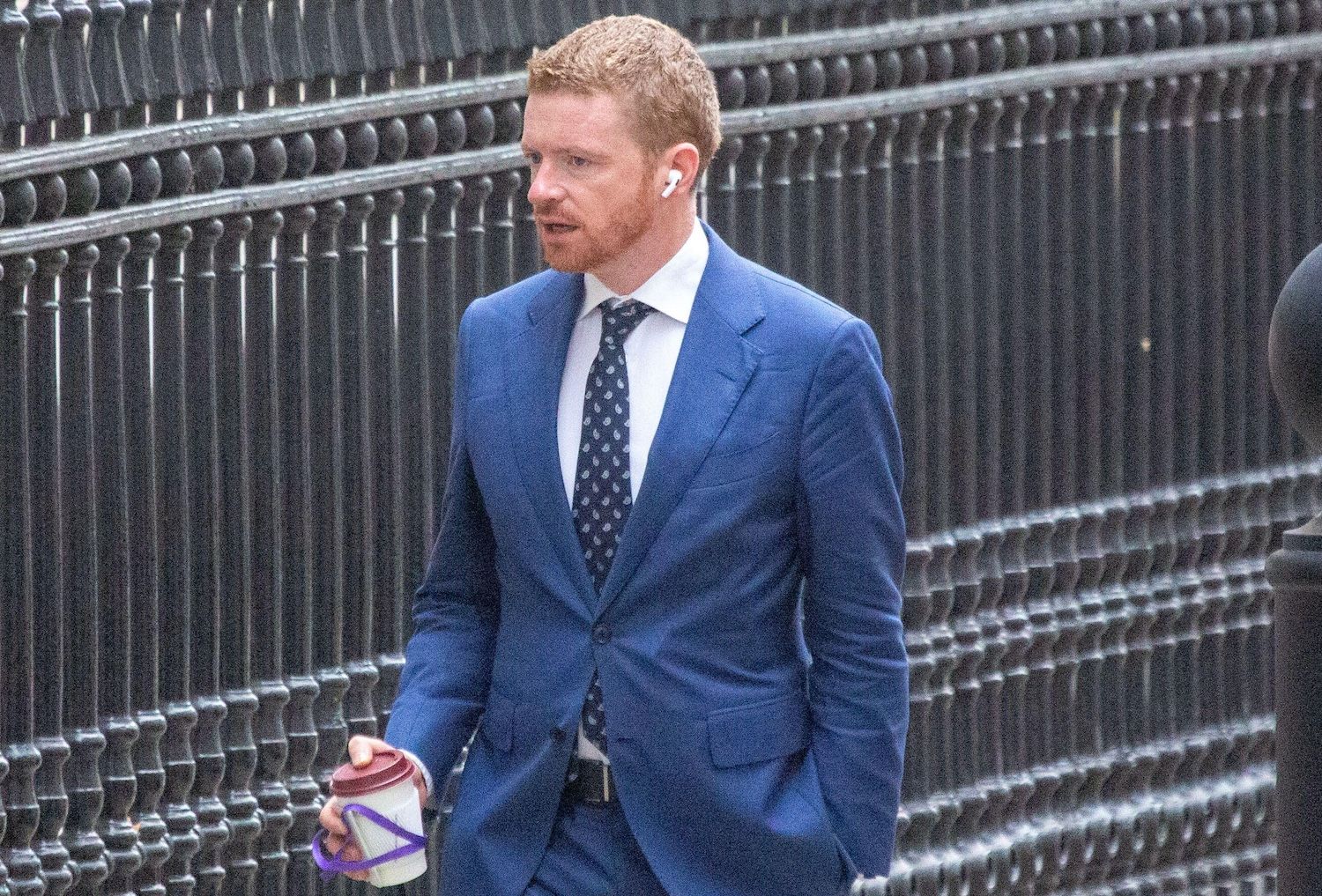 British press reports said McSweeney accepted responsibility for his part in decisions connected to the controversy
 UK Prime Minister Keir Starmer has been left politically more exposed after the resignation of his Downing Street chief of staff, Morgan McSweeney, a central architect of Starmer’s rise inside Labour and a key operator at the heart of government.
McSweeney stepped down as the “Mandelson scandal” intensified, reviving internal Labour arguments over how No. 10 is run, the government’s judgement on appointments and crisis handling, and Starmer’s ability to steady his premiership through mounting turbulence. British press reports said McSweeney accepted responsibility for his part in decisions connected to the controversy.
The departure triggered an immediate reshuffle in Starmer’s top team. The Guardian reported that Downing Street would appoint two insiders — Vidhya Alakeson and Jill Cuthbertson — as joint chiefs of staff, a bid to restore operational grip and reassure MPs after the sudden loss of a dominant internal figure.
The change comes at a sensitive moment. Discontent has been building in Labour’s parliamentary ranks, and senior figures have warned the prime minister needs a convincing “reset” to prevent the row from hardening into a broader challenge to his authority. The Independent described a febrile atmosphere in Westminster, with Labour MPs pressing for changes in No. 10’s culture and tighter political control ahead of upcoming electoral tests.
Beyond the immediate headlines, McSweeney’s exit matters because he was widely viewed as the internal enforcer of the Starmer project — shaping staffing decisions, message discipline and the handling of party management. His departure raises urgent questions: who now manages relations with MPs, who has the authority to impose strategic coherence across government, and how quickly Starmer can demonstrate stability without appearing weakened by factional pressure.
For rivals — and for critics inside Labour — the resignation is not just a staffing change but a signal of strain at the centre of power. For No. 10, the task is to turn an abrupt rupture into a credible reset before the political cost becomes entrenched.
The so-called “Mandelson scandal” erupted following the release in early February of a new batch of US Department of Justice files linked to Jeffrey Epstein, which document in greater detail the personal ties, travels, and meetings of former British minister Peter Mandelson with the American financier, even after his 2008 conviction for sex crimes.


Top Comments
Disclaimer & comment rulesCommenting for this story is now closed.
If you have a Facebook account, become a fan and comment on our Facebook Page!