MercoPress. South Atlantic News Agency


Trump raises new global tariff to 15% a day after setting it at 10%
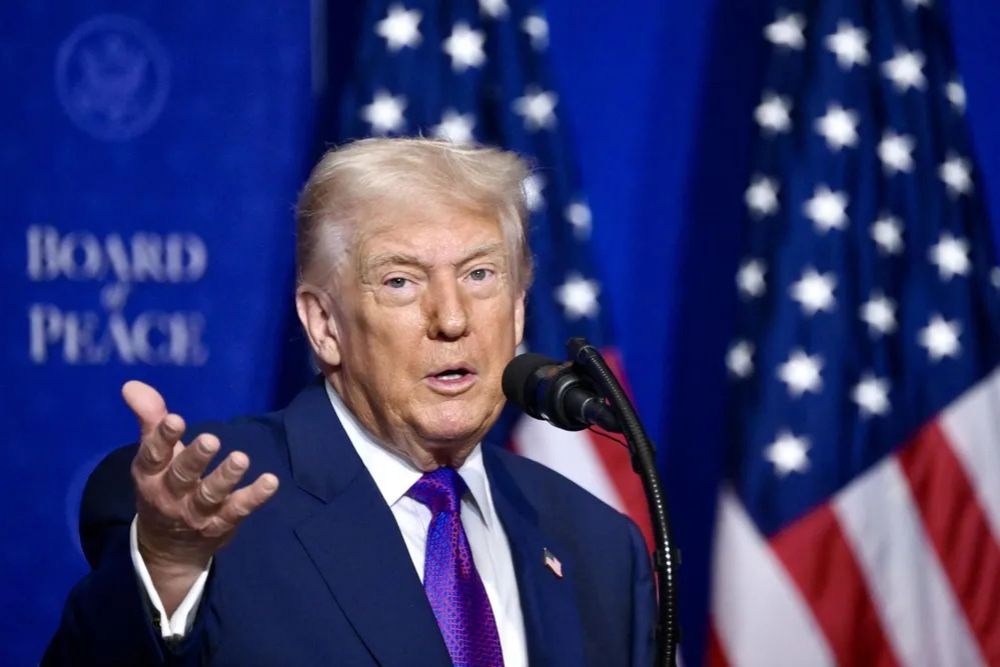 The move follows a 6-3 Supreme Court decision that invalidated Trump’s prior “reciprocal” tariff regime under the International Emergency Economic Powers Act (IEEPA)
 US President Donald Trump said on Saturday he will lift the temporary “global” tariff his administration unveiled just a day earlier from 10% to 15%, after the Supreme Court struck down his broader tariff program. The shift requires amending the proclamation and related measures issued on Friday.
Trump announced the change on Truth Social, again attacking Supreme Court justices over the ruling that curtailed his ability to impose sweeping tariffs under emergency authorities.
On Friday, the White House had set out a 10% across-the-board tariff for up to 150 days using Section 122 of the Trade Act of 1974 — a legal pathway that caps the rate at 15% and limits duration to 150 days, with congressional approval required for any extension. The increase to 15% stays within that statutory ceiling and preserves the same time-limited framework, according to reporting on the authority invoked.
The move follows a 6-3 Supreme Court decision that invalidated Trump’s prior “reciprocal” tariff regime under the International Emergency Economic Powers Act (IEEPA), finding the president had exceeded his authority and emphasizing that broad tariff-setting powers rest with Congress.
Alongside the tariff overhaul, the administration has proceeded with other trade actions announced on Friday. These include continuing the suspension of “de minimis” duty-free treatment for low-value commercial shipments, which the White House framed as a measure tied to national security and economic policy.
Reuters and AP said the administration is positioning the Section 122 tariff as a stopgap while it pursues other, more procedurally demanding tools — including trade probes under additional legal authorities that typically take longer to implement.


Top Comments
Disclaimer & comment rulesCommenting for this story is now closed.
If you have a Facebook account, become a fan and comment on our Facebook Page!