MercoPress. South Atlantic News Agency



Uruguay cuts policy rate to 5.75% after external shock, with inflation still below target
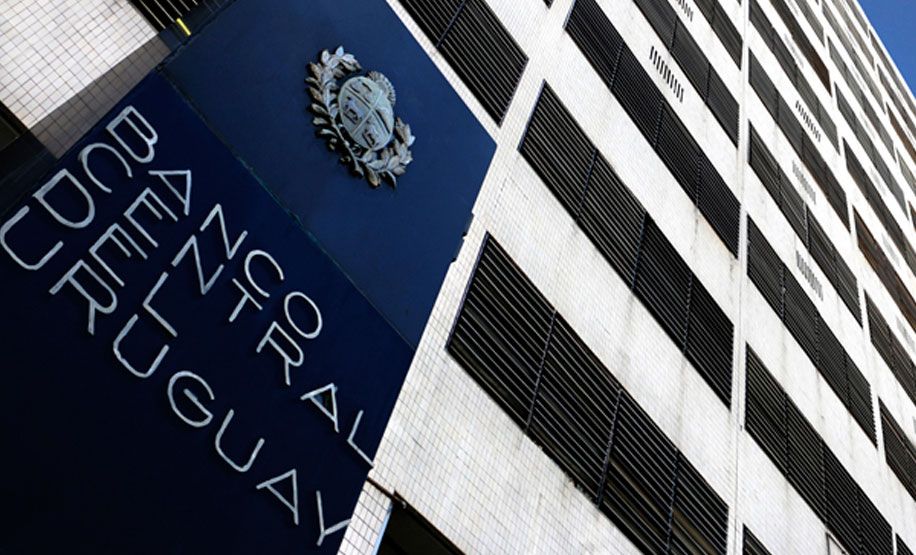 The BCU noted that 12-month inflation fell again in January for a seventh straight month, reaching 3.46%, “approaching the lower bound of the tolerance range” around the official target
 Uruguay’s Central Bank cut its benchmark policy rate by 75 basis points to 5.75%, from 6.5%, in a unanimous decision and the seventh consecutive reduction, as it weighed the market impact of the renewed Middle East conflict and a rebound in the U.S. dollar.
In its post-meeting Monetary Policy Committee (Copom) statement, the Central Bank of Uruguay (BCU) said the move aims to “consolidate the monetary policy stance that enables inflation to converge to the 4.5% annual target and keeps expectations aligned with it.”
The BCU noted that 12-month inflation fell again in January for a seventh straight month, reaching 3.46%, “approaching the lower bound of the tolerance range” around the official target. It said the disinflation was broad-based across CPI components, highlighting a declining trend in non-tradable prices, and added that high-frequency activity indicators “came in weaker than expected.”
The bank also pointed to a firmer alignment of expectations. According to the statement, “in February, analysts and financial markets converged to 4.5%,” while business expectations posted another decline in January.
External backdrop: stronger dollar and higher energy prices
Copom framed the rate decision against a more volatile international environment. While it said “structural factors” had supported a weaker dollar in recent months, it argued that the U.S., Israeli and allied attack on Iran over the weekend “led to the current strengthening, typical in this kind of episode.”
It also said the geopolitical shock “pushed energy prices higher, particularly oil, amid the risk of supply disruptions,” in what it described as a highly uncertain setting regarding the conflict’s potential escalation.
In local trading, the U.S. dollar hit its highest level since Dec. 24, 2025, mirroring broader dollar strength and the safe-haven dynamics referenced by the BCU.
Even so, Copom said the underlying drivers of Uruguay’s domestic disinflation trend remain in place. With uncertainty rising, it assessed that “inflation risks now look more balanced than in previous meetings.” Still, it argued that the key risk remains inflation running below the target over the policy horizon, “assuming that inflationary effects stemming from the conflict would not persist significantly over time.”
The BCU said it will keep “continuous monitoring” of developments in the Middle East and their implications for inflation and expectations, as input for future decisions.
Operationally, the policy rate is the system’s benchmark and a key signal for local-currency financing conditions. In general terms, lower rates tend to reduce borrowing costs in pesos and affect portfolio decisions between peso and dollar assets, though the net impact depends on broader domestic and external conditions.


Top Comments
Disclaimer & comment rulesCommenting for this story is now closed.
If you have a Facebook account, become a fan and comment on our Facebook Page!