MercoPress. South Atlantic News Agency

Iran names Mojtaba Khamenei supreme leader as war widens to oil and water infrastructure
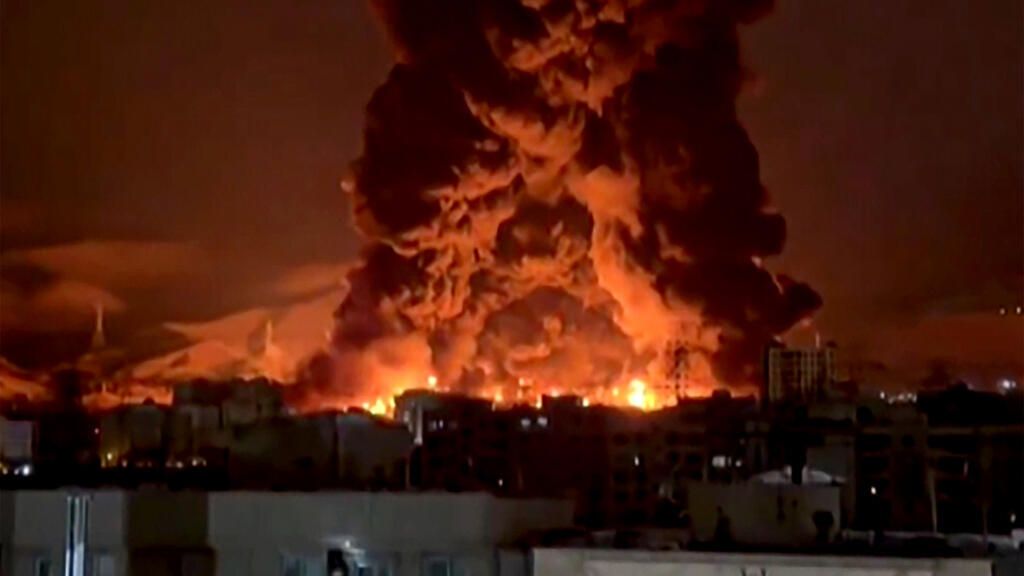 In Tehran, overnight strikes hit fuel depots in Shahran and other facilities, sending flames and thick black smoke over the capital
 Iran on Sunday named Mojtaba Khamenei as its new supreme leader, cementing hardline continuity as the war with Israel and the United States deepens and cross-border strikes increasingly hit fuel depots, energy routes and desalination facilities across the region. The Assembly of Experts, the 88-member clerical body tasked with choosing the successor, said he had been appointed by a “decisive vote,” giving him ultimate authority over all matters of state.
The appointment of Mojtaba, 56, son of the late Ali Khamenei, signals continuity rather than change. Though he has never held formal state office, he was long seen as an influential behind-the-scenes figure with close ties to the Revolutionary Guards and the political and commercial networks built under his father. He holds the clerical rank of hojatoleslam, below ayatollah, and his rise revives long-standing objections inside Iran to any hereditary-style succession in a republic founded in opposition to monarchy.

The appointment of Mojtaba, 56, son of the late Ali Khamenei, signals continuity.
The move also amounted to a direct political rebuff to Washington. Reuters reported that Donald Trump had said hours earlier that Mojtaba’s selection was “unacceptable” and warned ABC News: “If he doesn't get approval from us, he's not going to last long.” Israel, for its part, had already threatened to pursue any successor to the previous supreme leader.
Confirmation of the succession came as the war entered a more dangerous operational phase. In Tehran, overnight strikes hit fuel depots in Shahran and other facilities, sending flames and thick black smoke over the capital. At the same time, the spread of attacks to civilian infrastructure raised regional alarm: Bahrain accused Iran of damaging a desalination plant, while Tehran said a U.S. strike had hit a similar facility on Iran’s Qeshm Island. AP said the escalation has sharpened concerns over a critical Gulf vulnerability, with millions dependent on desalinated water supplies.
Markets reacted quickly. Reuters said Brent crude jumped 17% to $108.73 a barrel and U.S. crude rose more than 20%, driven by fears of prolonged supply disruption and shipping risks in the Strait of Hormuz. At the same time, Iranian state media cited by Reuters said the armed forces leadership and the Revolutionary Guards had pledged allegiance to the new leader, underscoring a rally-around-the-system response amid outside pressure and internal strains that had surfaced in recent days.


Top Comments
Disclaimer & comment rulesCommenting for this story is now closed.
If you have a Facebook account, become a fan and comment on our Facebook Page!