MercoPress. South Atlantic News Agency

Chavismo and opposition faction seek judicial pause to shield Citgo and PDVSA assets
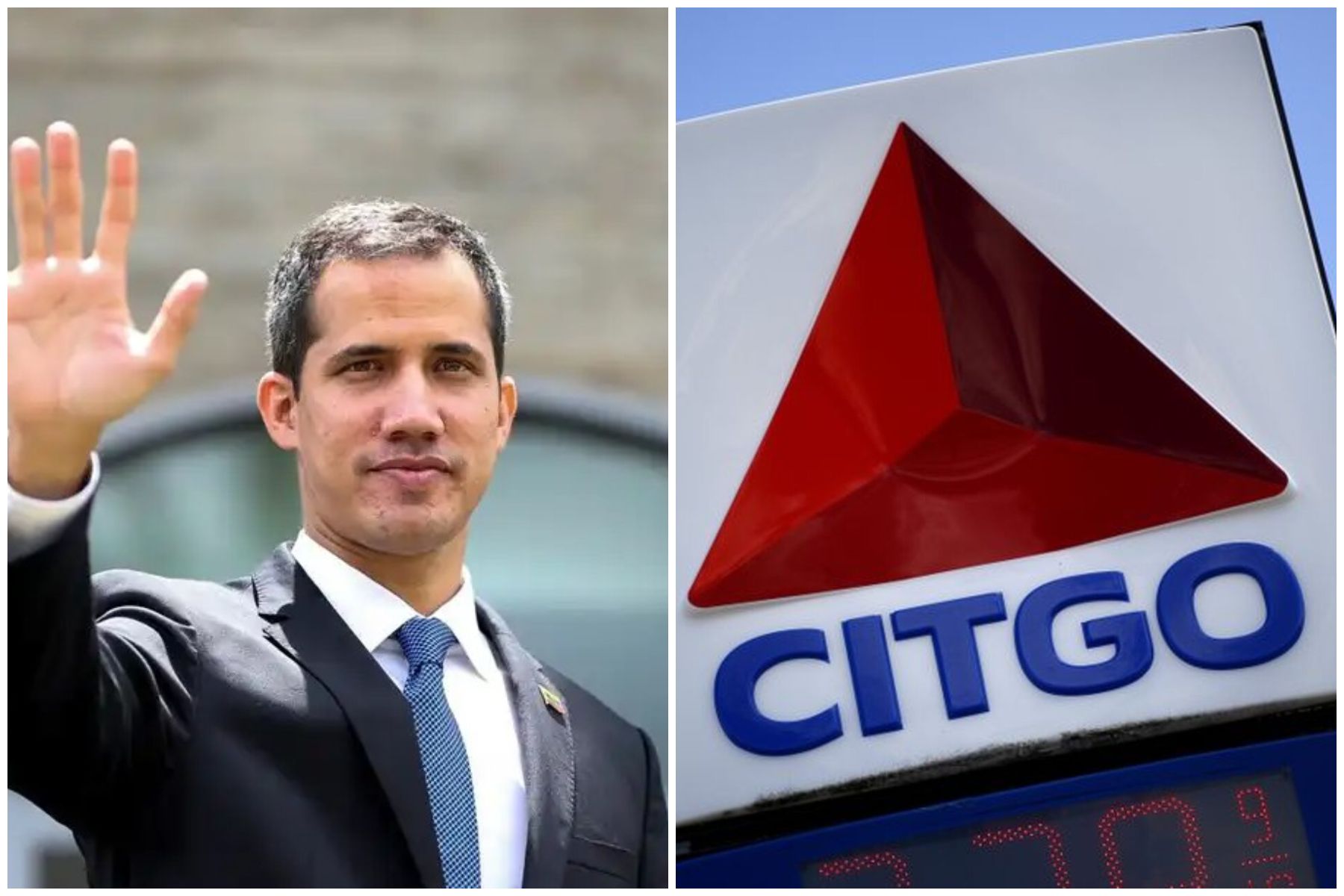 Guaidó and the Citgo logo. Since 2019, Venezuelan assets in the US were placed under opposition-appointed boards after PDVSA sanctions
 Lawyers representing Delcy Rodríguez's government and those of the opposition sector that has controlled Venezuelan assets in the United States since 2019 jointly asked a New York court for a 45-day suspension in a case where international creditors are seeking to seize funds linked to Petróleos de Venezuela (PDVSA).
Magistrate Judge Sarah Netburn granted the request, giving both sides until May 21 to coordinate their legal defenses and determine who will represent Venezuela's interests before US courts. The move reveals an unprecedented collaboration between factions that for years considered themselves irreconcilable, now united by the common goal of protecting the country's assets against some twenty creditors claiming approximately $21.3 billion for expropriations and unpaid debts accumulated under chavismo.
The most valuable asset at stake is the Citgo Petroleum refinery, headquartered in Houston, the seventh-largest in the United States and considered the crown jewel of Venezuela's foreign holdings. A Delaware judge approved its sale last November to Amber Energy, a subsidiary of hedge fund Elliott Investment Management, for $5.9 billion, but the transaction has not been completed because it requires authorization from the Treasury Department's Office of Foreign Assets Control (OFAC).
New landscape after Maduro's capture
The legal situation changed dramatically following the capture of Nicolás Maduro on January 3 during a US military intervention. In March, the State Department formally recognized Rodríguez as Venezuela's “sole Head of State” in a letter filed with the federal court, Reuters reported. On April 1, OFAC removed her from the list of sanctioned Venezuelan officials, eliminating a key obstacle for Caracas to regain control of its subsidiaries on US soil.
Since 2019, when the first Trump administration imposed sanctions on PDVSA and recognized Juan Guaidó as interim president, Venezuelan assets in the United States were placed under the control of boards appointed by the opposition-led National Assembly elected in 2015. That institutional architecture managed the assets and fought the litigation on behalf of the Venezuelan state for six years, but lost its legal footing with the recognition of Rodríguez.
Meanwhile, PDVSA ratified in March Asdrúbal Chávez — a cousin of late President Hugo Chávez — as head of PDV Holding and Citgo, and added executives close to Rodríguez to the boards. According to Reuters, the interim administration is preparing to take effective control of the US subsidiaries' boards of directors, though the Treasury Department has not yet authorized the new appointments.
Licenses and warnings
The rapprochement between Washington and Caracas has produced rapid changes in the oil and mining sectors. Venezuela approved a new hydrocarbons law and is debating a mining law, while new licenses have raised expectations among foreign investors.
However, a group of environmental and human rights organizations warned that mining licenses could become a mechanism for laundering illegal gold by enabling the sale of minerals from areas controlled by criminal networks. Gold extraction in Venezuela takes place amid serious human rights violations, smuggling and corruption, according to reports by the United Nations and Transparency International.


Top Comments
Disclaimer & comment rulesCommenting for this story is now closed.
If you have a Facebook account, become a fan and comment on our Facebook Page!