MercoPress. South Atlantic News Agency



UK government borrowing costs rise to their highest since 2008 financial crisis
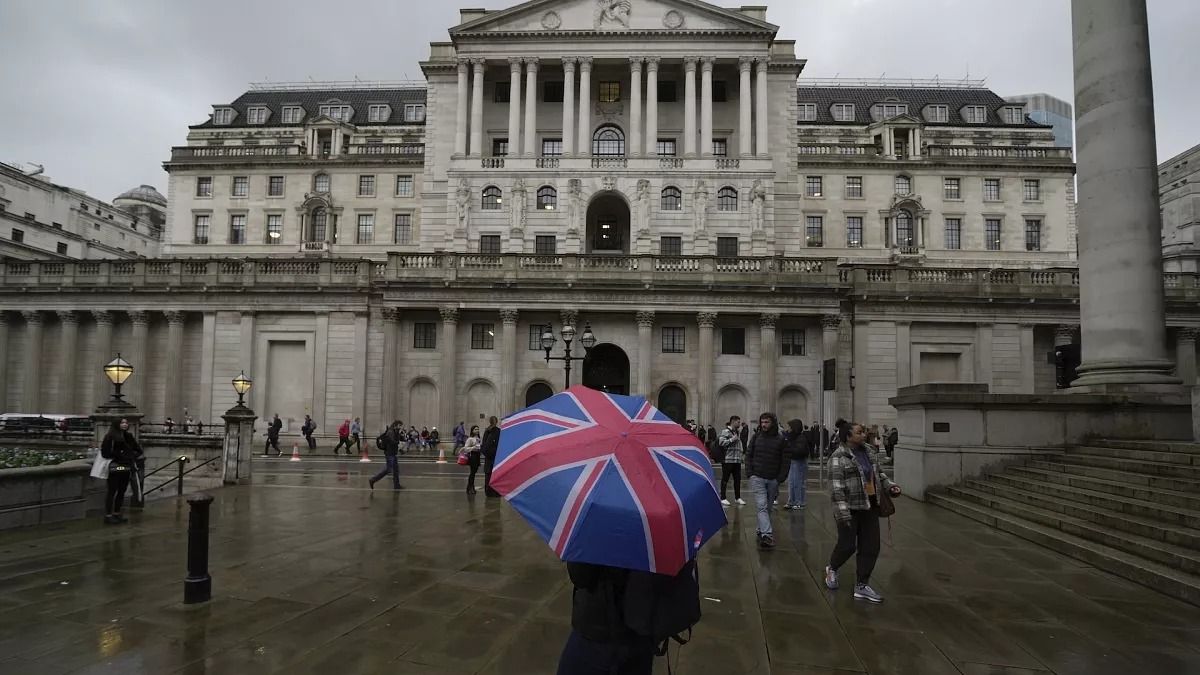 The yield on the 10-year gilt, climbed back above five per cent for only the third time since the Iran war broke out.
 The extent to which UK is exposed to the ongoing energy shock, as a consequence of the Iran war, and fears or rising inflation, was exposed by the British government’s borrowing costs that have risen to their highest level since the 2008 financial crisis.
The yield on the 10-year gilt, the main benchmark for any government’s long-term ability to borrow, on Tuesday climbed back above five per cent for only the third time since the Iran war broke out.
The UK’s government borrowing costs have risen the most of any developed economy in the past two months, with moves particularly pronounced at the shorter end of the yield curve, which closely tracks the interest rate path.
The yield on the two-year gilt has risen by more than a full percentage point since the start of March, as traders were forced aggressively to pare back earlier bets on the number Bank of England rate cuts they anticipated.
But as the war has dragged on, the sell-off has spread to the government’s longer-dated coupons, as fears the country will struggle to best insulate itself from previous growth prospects and grasp on the public finances.
Analysts have warned that a succession of policy errors and the UK’s reliance on oil and gas imports mean the UK economy is particularly vulnerable to external shocks because of the knock-on effect that higher energy imports will have on already elevated prices.
As a consequence the path has exaggerated the pre-existing differences or spread between the UK’s borrowing costs and those charged to the US. The spread between the 10-year gilt yield and the US Treasury’s interest rate has now reached 70 basis points for only the second time since late 2025.
The Bank of England has struggled to bring price rises to heel as successfully as rival central banks ever since Russia’s full-scale invasion of Ukraine and Liz Truss’s fateful mini-Budget combined to push inflation into double digits in 2022. Stubborn inflation is a major bugbear of bond investors, as price rises eat into the real returns one generates from bond over the course of its maturity.
Before the war, price rises had been forecast to appease, after three years of stubbornly sticking above the Bank’s two per cent target. And a succession of positive government borrowing figures – boosted by record tax receipts – had helped alleviate traders’ concerns over the government’s grasp on the public finances.
But those positive developments, which had helped bring down borrowing costs over the first three months of the year, were knocked off course by the Iran war and its effect on the oil price.


Top Comments
Disclaimer & comment rulesCommenting for this story is now closed.
If you have a Facebook account, become a fan and comment on our Facebook Page!