MercoPress. South Atlantic News Agency


First counts confirm Reform UK's advance in Labour heartlands and open the door to a leadership crisis
 Still pending are the results of the elections to the devolved parliaments of Scotland (Holyrood) and Wales (Senedd), expected on Friday afternoon
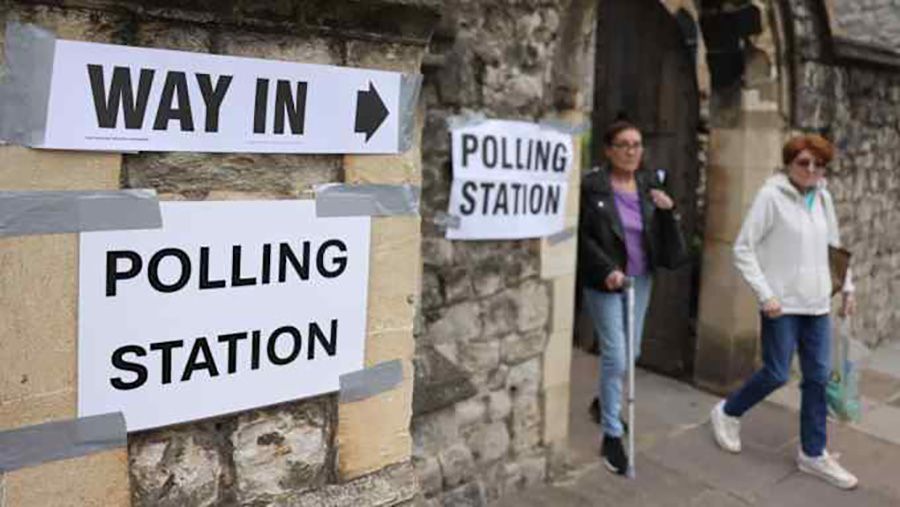
 The first ballots counted in the local elections held on Thursday across the United Kingdom confirmed the advance of the far-right Reform UK party, led by Nigel Farage, in territories historically dominated by Labour in the north of England and triggered the first public expressions of discontent within Prime Minister Keir Starmer's own party, in what various analysts already describe as one of the most adverse electoral nights for the ruling party since taking office in July 2024. The vote, in which more than 5,000 municipal seats across 136 local authorities and the devolved parliaments of Scotland and Wales were contested, opened the door to a potential internal crisis over Starmer's leadership.
The most resonant results came from Hartlepool, where Reform UK won all twelve contested seats, leaving Labour — until now the majority party on the council — unable to retain control of the authority. The local authority shifted to “no overall control” status, requiring Reform to negotiate with independent councillors to assume leadership. Similar situations unfolded in Tamworth and Redditch, where Reform displaced Labour from council control, and in Wigan, where Farage's party prevailed in six of the first seven wards declared, including Leigh Central, Leigh South, and Leigh West, in the former parliamentary constituency of Labour's former Greater Manchester Mayor Andy Burnham. In Halton, Reform won 16 of the 19 seats in contention, though Labour retained overall council control.
Political scientist and University of Strathclyde professor John Curtice, regarded as Britain's leading electoral analyst, estimated in remarks to the BBC that Reform UK is averaging around 28% of the vote in results so far, in line with previous projections. Curtice noted that the Labour vote is falling on average 21 points compared with 2022 in districts where the party had traditionally been strong, while the Conservatives are down five points. The Greens, under the recent leadership of Zack Polanski, also registered gains in contested wards.
The internal reaction within Labour was swift. Hartlepool MP Jonathan Brash, whose wife Pamela Hargreaves lost her seat as councillor and council leader, publicly called for Starmer's resignation and stated that “the best thing the prime minister can do is address the nation tomorrow and set out a timetable for his departure.” The Times reported on Thursday that Energy Secretary Ed Miliband had privately suggested to Starmer that he consider setting a timeline for leaving office, though an official spokesperson for the ministry denied that account. Justice Secretary David Lammy moved to back the prime minister and warned against “playing pass the parcel” with the leadership, arguing that changing leader “is not the answer” to voters' concerns.
Still pending are the results of the elections to the devolved parliaments of Scotland (Holyrood) and Wales (Senedd), expected on Friday afternoon. YouGov projections anticipate an absolute majority for the Scottish National Party (SNP) at Holyrood and an advance for Plaid Cymru and Reform UK in Wales, with Labour relegated to third place. The vote unfolds in a political context already marked by Labour's tensions with the Trump administration, stemming both from Britain's refusal to join the offensive against Iran and from the leak of the Pentagon memorandum on the Falklands.


Top Comments
Disclaimer & comment rulesCommenting for this story is now closed.
If you have a Facebook account, become a fan and comment on our Facebook Page!