MercoPress. South Atlantic News Agency

Lula and Trump declare bilateral relationship reset after three-hour meeting at the White House
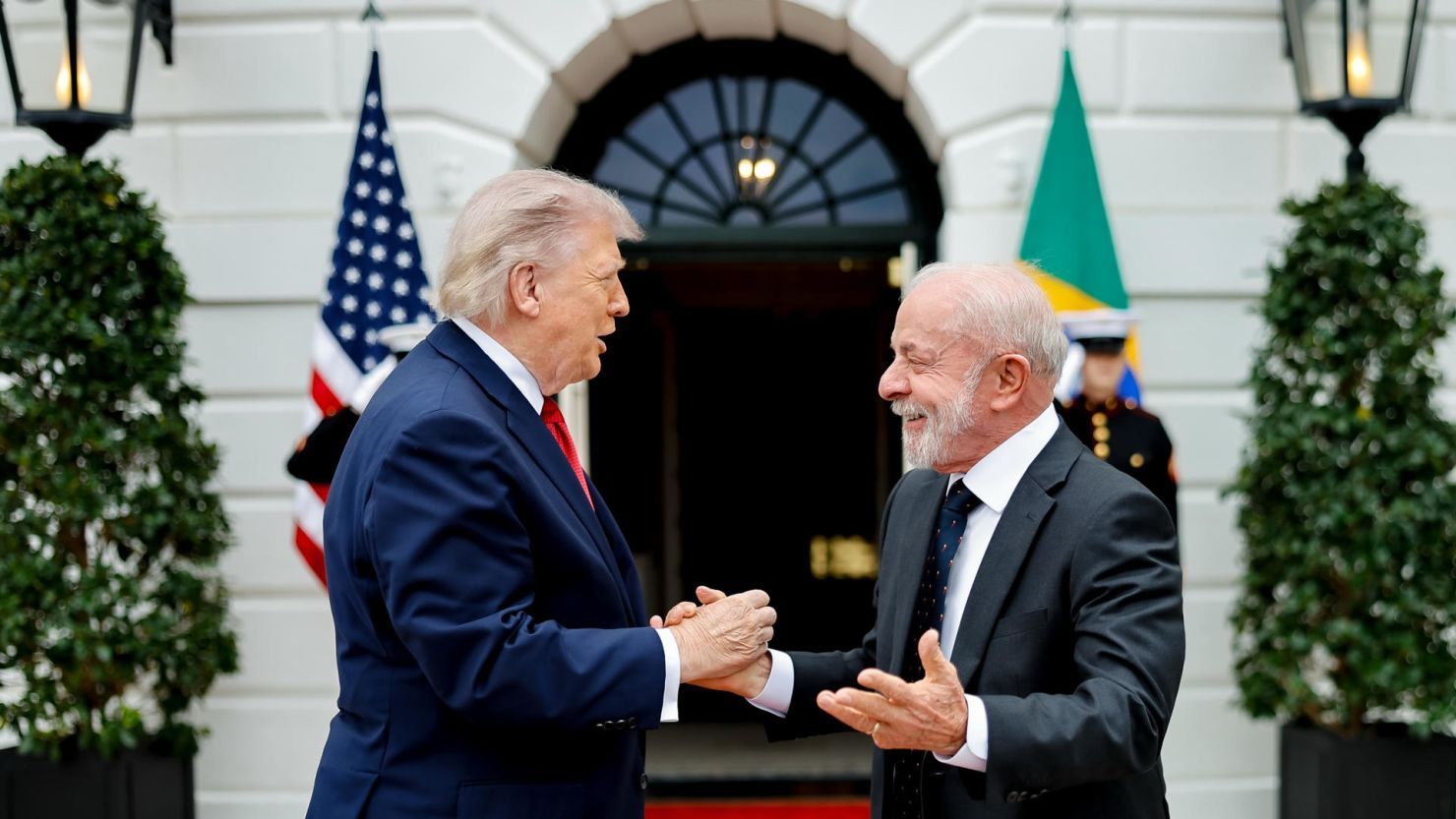 “We discussed many subjects, including trade, specifically tariffs,” Trump wrote at the conclusion of the encounter
 The presidents of Brazil, Luiz Inácio Lula da Silva, and the United States, Donald Trump, held a meeting of close to three hours at the White House on Thursday in which both leaders declared an end to one of the most severe bilateral crises in two centuries of relations between the two largest economies in the Americas. The encounter, formalized as a working meeting, unfolded in a climate of personal fluency and allowed for the agreement to establish bilateral channels to address commercial, security, and regional cooperation matters.
“We discussed many subjects, including trade, specifically tariffs,” Trump wrote at the conclusion of the encounter, in a message in which he described Lula as “very dynamic” and added that the meeting “went very well.” The Brazilian president, for his part, at a press conference at Brazil's embassy in Washington, called the meeting “an important step in consolidating relations” and said: “Our relationship is very good, something that many doubted could happen. You know that thing about love at first sight?” Trump indicated that the technical teams of both countries would meet to “address certain key elements” and that “additional meetings over the coming months as may be necessary” would be scheduled.
On the designation of the Primeiro Comando da Capital (PCC) and the Comando Vermelho as foreign terrorist organizations — one of the most sensitive issues for Brasília — Lula specified that the matter did not come up during the conversation, although they did agree on the creation of a bilateral working group to combat organized crime in Latin America. The Brazilian position maintains that these criminal structures operate for economic rather than ideological motives, which would exclude them from the legal category of terrorist organizations under Brazilian law. On critical minerals, Lula said he was “open” to discussing US investments in the sector, although he reiterated that Brazil prioritizes domestic processing and national job creation. Brazil holds the world's second-largest reserves of rare earth minerals, surpassed only by China.
Regarding Cuba, Lula said Trump had assured him he was not planning to invade the island, in an apparent easing of the threats issued in West Palm Beach on May 1. “If what the translation said is correct, he told me he is not thinking of invading Cuba. That is what I heard from the interpreter,” the Brazilian president explained. On the 2022 elections, in which Trump backed former president Jair Bolsonaro against Lula, the Brazilian leader said: “He interfered in the 2022 elections and lost because I won. But now I believe he will behave as the president of the United States, letting the Brazilian people decide their own destiny.”
The encounter was preceded by more than a year of diplomatic friction, marked by the imposition in August 2025 of a 50% tariff on Brazilian exports that Trump linked to Bolsonaro's trial — the former president was sentenced to 27 years in prison for an attempted coup — and by mutual criticism over the war against Iran, which Lula has described as “madness.” The thaw began after a brief 39-second encounter between the two leaders on the sidelines of the United Nations General Assembly in September, followed by a formal meeting in Kuala Lumpur in October on the margins of the ASEAN summit. Lula entered the White House on Thursday through the south door, due to the construction of the ballroom planned by the administration, instead of the customary north portico used for international visits.


Top Comments
Disclaimer & comment rulesCommenting for this story is now closed.
If you have a Facebook account, become a fan and comment on our Facebook Page!