MercoPress. South Atlantic News Agency


Over 70 Labour MPs call for Starmer's resignation after election rout
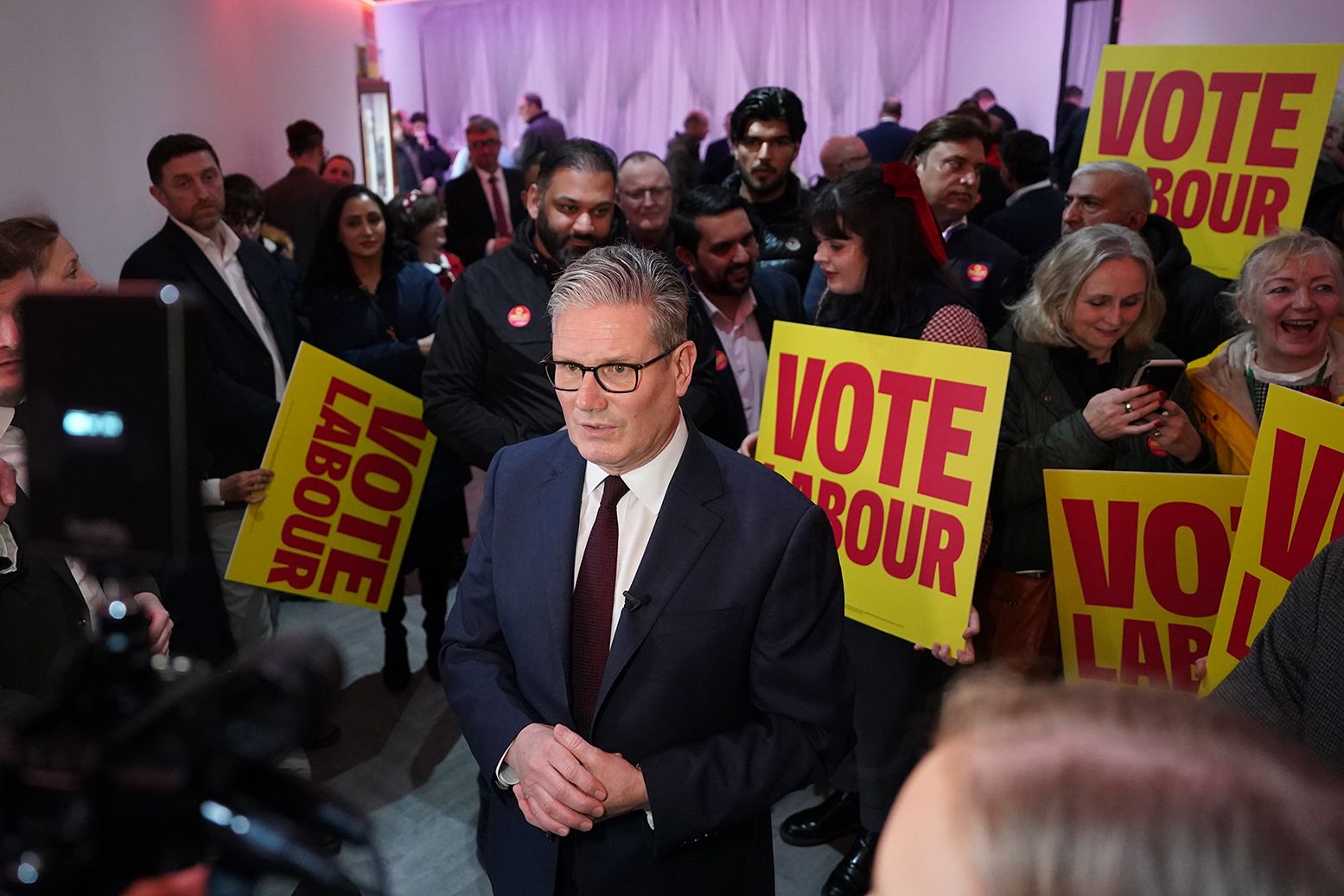 Photo: Ian Forsyth / Getty Images
 More than 70 Labour Party MPs have publicly called for the resignation of Prime Minister Keir Starmer following the electoral collapse the governing party suffered in last Thursday's local and regional elections. The count, which was rising hour by hour through Monday according to a tracker maintained by the specialist outlet LabourList, includes around ten parliamentarians who joined the pressure in the last 24 hours, alongside a trickle of resignations from government posts.
Starmer attempted to contain the internal revolt with a speech delivered on Monday at the Coin Street Community Centre in London, in which he took responsibility for the “very tough” results, defended his government's major decisions —including the choice not to involve the United Kingdom in the United States and Israel's war against Iran— and pledged to place the country “at the heart of Europe” after Brexit. The prime minister described his government as a “ten-year project of renewal” and rejected setting a timetable for his departure.
His words did not ease the pressure. MP Catherine West, who issued an ultimatum on Saturday, formally notified her colleagues on Monday that she was gathering the 81 signatures —20% of the parliamentary Labour party— required to force a leadership election in September. She described Starmer's address as “too little, too late.” Through the afternoon, four parliamentary private secretaries resigned in succession: Joe Morris, aide to Health Secretary Wes Streeting; Tom Rutland, assistant to the Environment Secretary; Naushabah Khan, from the prime minister's Cabinet Office team; and Melani Ward, from the office of Deputy Prime Minister and Justice Secretary David Lammy. Technology Secretary Liz Kendall expressed her support for Starmer and told the BBC that he “is not going to go, and he's not going to set a timetable.”
Labour lost on Thursday around 1,500 councillors and control of more than thirty local authorities in England. The defeat was especially heavy in Wales, the party's historical stronghold since the introduction of devolution in 1999, where it was reduced to third place with just nine seats; First Minister Eluned Morgan lost her seat in the Senedd. In England, Nigel Farage's populist Reform UK gained around 650 councillors, mostly in the so-called Red Wall of northern and central England. In Scotland, Labour failed to make significant gains against the Scottish National Party.
Among the names mentioned as possible successors are Manchester Mayor Andy Burnham, who would need a parliamentary seat first, and Streeting himself, identified with the party's right wing.


Top Comments
Disclaimer & comment rulesCommenting for this story is now closed.
If you have a Facebook account, become a fan and comment on our Facebook Page!