MercoPress. South Atlantic News Agency



Uruguay: Orsi's disapproval climbs to 48% as approval falls to 27% in his first year in office
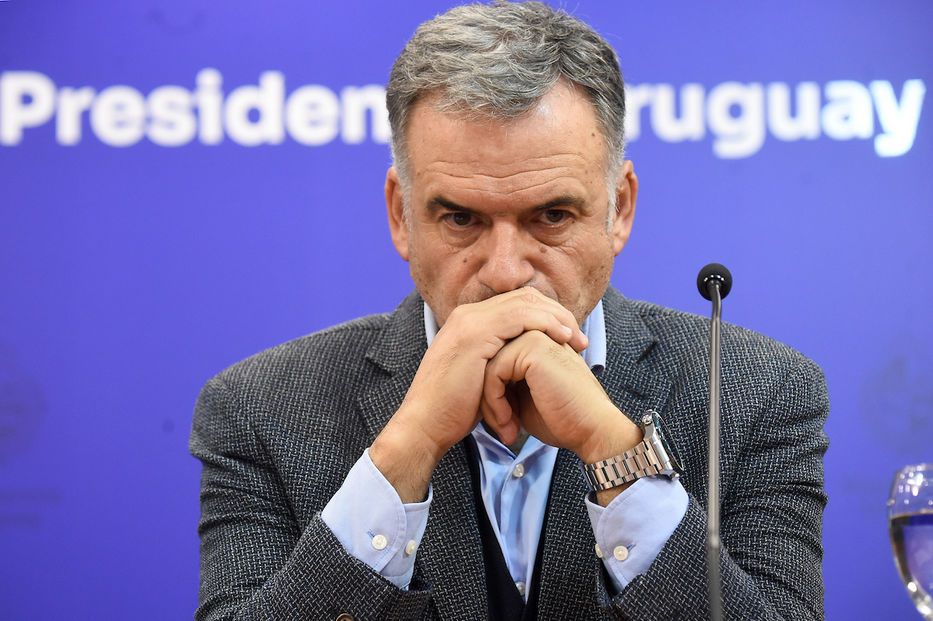 The net balance between disapproval and approval widened from -7 points in February to -21 points by the end of April, a gap more than double the one recorded at the start of the year
 Uruguayan President Yamandú Orsi's administration recorded a significant deterioration in public approval as the government marked its first year in office, according to the latest survey by the polling firm Equipos released on Thursday on the Subrayado newscast. The president's disapproval rose to 48%, up from 40% in February, while approval fell from 33% to 27% over the same period. Intermediate assessments held roughly steady at around 23%, and 2% of respondents declined to answer.
The net balance between disapproval and approval widened from -7 points in February to -21 points by the end of April, a gap more than double the one recorded at the start of the year. “The picture at the end of April is one of negative balance,” said Ignacio Zuasnabar, director of Public Opinion at Equipos. “The balance was already negative, but in a relatively divided scenario. Now those trends have deepened, and the gap between disapproval and approval has grown wider,” the analyst added.
The pollster identified several drivers behind the decline. On the international front, the economic contingencies linked to rising fuel prices following the war waged by the United States and Israel against Iran; on the domestic front, the persistent public concern over public safety. The first anniversary of the Broad Front government, which took office on 1 March, also operates as an inflection point in public evaluation. “In the middle of all this, the government is marking one year in office,” Zuasnabar emphasized.
The most significant finding of the report is the change in the sociological composition of the discontent. Through February, the rise in negative assessments came mainly from opposition voters, who shifted from an initially expectant stance to one openly critical. In April, by contrast, the sharpest deterioration in approval comes from Orsi's own runoff voters from November 2024, suggesting an erosion that is no longer confined to the opposition camp but is now reaching the Broad Front's own electoral base.
The survey was carried out in person between 21 April and 4 May, with an effective sample of 704 cases and a maximum margin of error of +/- 3.7% within a 95% confidence interval. The results come in a week in which the Uruguayan government confirmed that President Orsi will soon meet in Washington with his US counterpart, Donald Trump, and fit into an erosion trend already flagged by other local pollsters such as Factum and Cifra over the first quarter of the year.


Top Comments
Disclaimer & comment rulesCommenting for this story is now closed.
If you have a Facebook account, become a fan and comment on our Facebook Page!