MercoPress. South Atlantic News Agency



Falklands: how important it is for UK electorate to have the Islands remaining British
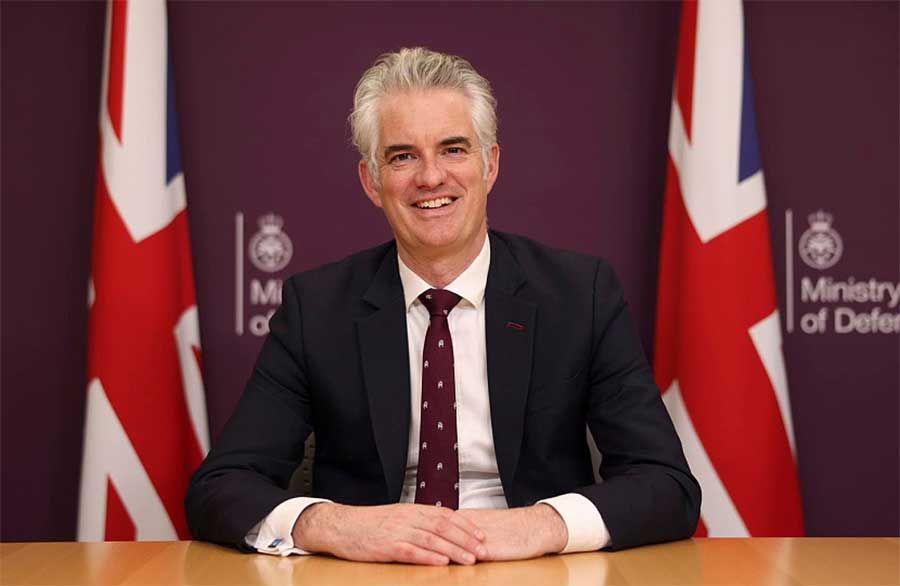 James Cartlidge, the shadow defense secretary, said the sovereignty of the Falklands was “not up for negotiation”.
 This is a special week for the Falkland Islands and its people, Sunday is 14th June, the 44th anniversary of the Liberation of the Islands from the invading Argentine troops, which on that day definitively signed their surrender to the British Task Force sent to the South Atlantic to liberate the forcibly submitted Falklands people after 74 days.
And since then the British political system has repeatedly expressed its commitment to the Falklands’ people right to self-determination and to decide on their future, as enshrined in the UN charter and confirmed by the 2023 referendum when the overwhelming people of Falklands decided to remain a British Overseas Territory.
However the will of the British people and political system remain crucial in supporting those sovereign decisions and a recent public opinion poll could be showing some yellow lights.
In effect a survey by More in Common found that British voters under the age of 25 were less likely than older voters to consider it very or quite important that the UK retained sovereignty over the Islands.
This survey followed on a recently leaked White House memo claiming that the US could withdraw its support for Britain’s claim to the Overseas Territory as punishment for Britain’s failure to back the Iran war.
The cable triggered a diplomatic confusion and prompted Argentina to renew its claim to the Islands given the close relations between presidents Milei and Trump. However Marco Rubio, the US secretary of state, (and handyman) later dismissed the Falklands row as “just an email”, and that the situation ‘was overblown’. It can be added that PM Keir Starmer and president Trump don’t get along, and the president enjoys mocking the prime minister, and besides the British electorate are not satisfied with Starmer’s leadership.
But going back to the poll of 2,041 British adults, it showed that only nine per cent of 18 to 24-year-olds felt it was “very important” that the Falklands remained British. This was significantly down from the 29% of all Britons who said it was very important. A further 19% of 18 to 24-year-olds said it was “quite important” that the Islands did not change ownership, compared to 22% of all voters.
Forty-eight per cent of voters aged 75 or more, and 42 per cent of 65 to 74-year-olds, said the Falklands staying British was very important.
The polling also found that more than half of the public (56 per cent) would back the military being deployed if Argentina were to invade the Falklands. This had majority support among supporters of the Conservatives (66 per cent), Labour (64 per cent) and third growing party Reform UK (73 per cent).
Forty-six per cent said the UK could defend the Falklands on its own, while 24 per cent said it could not and a further 30 per cent did not know.
James Cartlidge, the shadow defense secretary, said the sovereignty of the Falklands was “not up for negotiation”.
A Reform spokesman said: “A Reform UK government would not hesitate to ever defend our British Overseas Territories. They are rightfully British, and Reform will ensure it stays that way.”
Luke Tryl, the UK director of More in Common, said: “The Falklands hold a symbolic value to many Britons. Most say it matters to them personally that the Islands remain British, and a majority would support sending troops to defend them if it came to it.
“Much like in 1982, this is a moment when Britons feel uncertain about the country’s place in the world, and our polling suggests they would support the Government standing its ground.”
A Ministry of Defense spokesman said: “The Government’s commitment to protecting the sovereignty of the Falkland Islands is unshakeable. “Our defense posture in the South Atlantic is robust,…and “we are fully confident that our current military presence is at the appropriate level to ensure the defense of the Islands, and we keep this under constant review.”


Top Comments
Disclaimer & comment rules-

-

-

Read all comments“...commitment to recognise the rights of the tiny group of colonists there.”
Jun 13th, 2026 - 10:17 pm +1Who do you think you are kidding? Argentina doesn't recognize the rights of it's own citizens, never has, never will. ;)
Pytangua, you call the islanders colonists. what does that make you ? every white person on the American continent are implanted European stock. in other words colonists. the Falklands are not at the top of the list when it comes to whats most important to the British people , but that doesnt mean they want to give them to Argentina, and its for the islanders to decide no one else,
Jun 13th, 2026 - 11:06 pm +1you cant hand back something that never belonged to you in the first place, Britain first claimed the islands in 1594. you did not exist as a country, your post makes zero sense,
Its time for you to get a reality check and realise you have never owned the islands and never will, and ita also time for all the white Argentinians cuckoos to return back to Europe and leave the land to the true native owners,
Jun 09th, 2026 - 12:22 pm 0Commenting for this story is now closed.
If you have a Facebook account, become a fan and comment on our Facebook Page!