MercoPress. South Atlantic News Agency
Brazil suspends its dengue vaccine as a precaution after two deaths
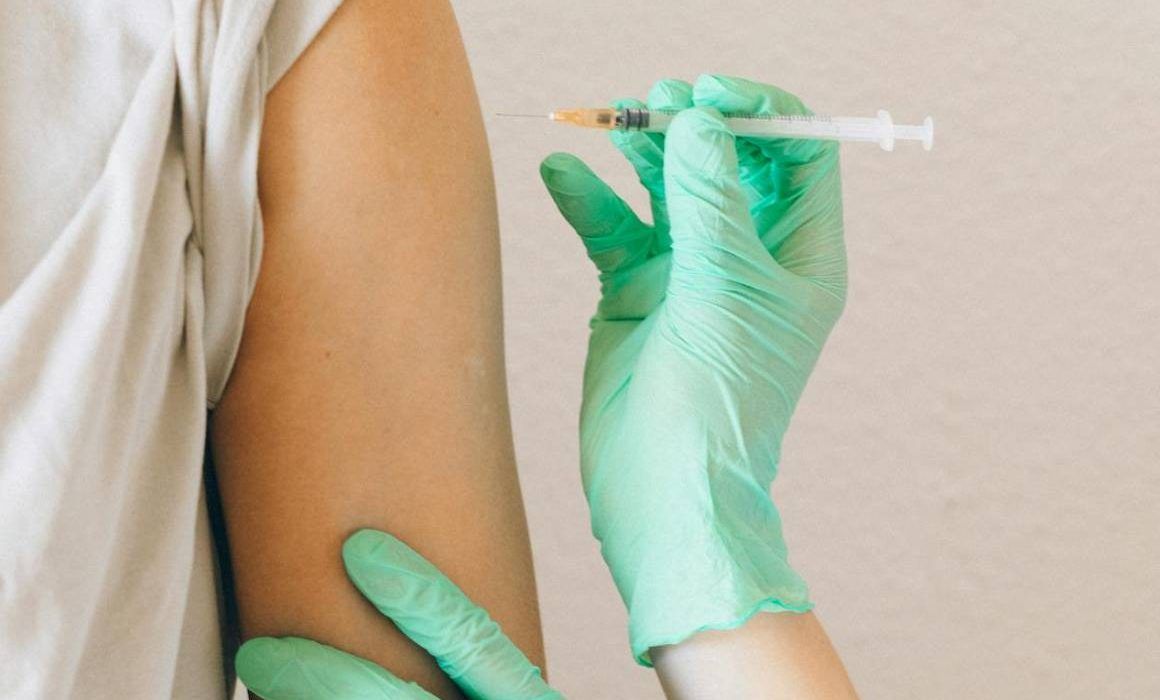 The vaccine was approved by the regulatory agency ANVISA in late 2025 for people aged 12 to 59, and the campaign began in February with health personnel
 Brazil temporarily suspended the dengue vaccination campaign it began in January, after detecting two deaths and several cases of serious adverse reactions. The vaccine, the world's first single-dose shot, was developed by the Butantan Institute in São Paulo and had already been given to half a million people through the public health system. Health authorities stressed that there is not yet enough data to link the deaths to the product and that the interruption is a preventive measure.
In recent months, nearly 4,000 cases were recorded of people with dengue-like symptoms after immunization, something that fell within expectations. The alarm arose from 42 more extreme episodes, with intense abdominal pain, persistent vomiting and bleeding, among them the death of a 48-year-old woman and a 58-year-old man. In all, 501,044 people were vaccinated —mostly health workers in priority regions— and the Health Ministry specified that adverse cases represent 0.0008% of those immunized.
“We are ordering the temporary interruption based on pharmacovigilance data,” said Health Minister Alexandre Padilha, who clarified that the decision was not a response to the disinformation circulating on social media. The director of the National Immunization Program, Eder Gatti, said the pause would serve to investigate the cases and “does not invalidate the vaccine's efficacy.” There is no set timeline; in the meantime, doses must be kept refrigerated, and the campaign could resume.
Vaccination campaigns have historically been a source of pride in Brazil, but uptake fell after the spread of false claims during the covid-19 pandemic, under former President Jair Bolsonaro. Restoring that confidence has been one of the public-health priorities of Luiz Inácio Lula da Silva's government.
The vaccine was approved by the regulatory agency ANVISA in late 2025 for people aged 12 to 59, and the campaign began in February with health personnel. According to the clinical trials, which involved more than 16,000 participants, it showed overall efficacy close to 75%, of 91.6% against severe dengue and of 100% against hospitalizations, with protection lasting five years. Dengue, transmitted by the Aedes aegypti mosquito, has reached nearly 370,000 probable cases and 177 confirmed deaths in Brazil this year.
The Health Ministry plans to expand production through an alliance with the Chinese laboratory WuXi, with the goal of delivering 60 million doses before 2028. In parallel, Brazil continues to use, without problems, the vaccine from the Japanese laboratory Takeda, which requires two applications.


Top Comments
Disclaimer & comment rulesCommenting for this story is now closed.
If you have a Facebook account, become a fan and comment on our Facebook Page!