MercoPress. South Atlantic News Agency



Colombia's government confirms El Niño will be among the most intense since 1950
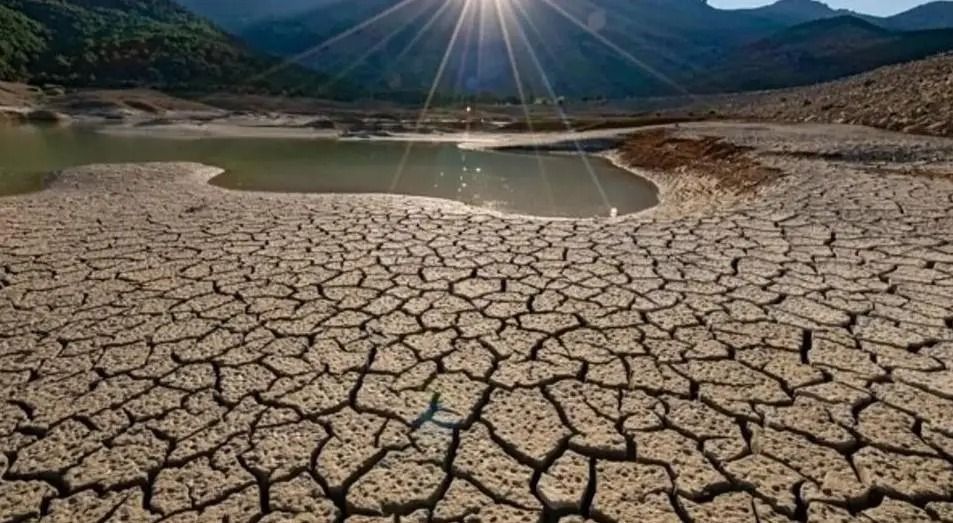 In Colombia, El Niño tends to be associated with a decline in rainfall, which raises the risk of drought and energy rationing in a country that relies heavily on hydroelectric generation
 Colombia's Environment Ministry confirmed on Thursday that the El Niño phenomenon arrived about three months earlier than expected and that, if projections hold, it will be one of the “most intense recorded since 1950,” according to data from the Institute of Hydrology, Meteorology and Environmental Studies (Ideam). The agency said the conditions associated with the phenomenon —which warms ocean waters above normal— are already present in the equatorial Pacific.
According to technical analyses, there is a 96% probability that those conditions will persist during the quarter of November and December 2026 and January 2027, and a 63% probability that El Niño will reach a “very strong” intensity in that period. The assessment is based on the elevated surface and subsurface temperature anomalies observed in the equatorial Pacific, consistent with the warm phase of the phenomenon known as the El Niño-Southern Oscillation (ENSO). According to forecasts by the US National Oceanic and Atmospheric Administration (NOAA) cited by the ministry, the phenomenon will strengthen during the second half of the year, with particular intensity toward the end of 2026 and the start of 2027.
The main consequences will be felt most strongly in the Andean, Caribbean and Pacific regions, where temperature increases, reductions in water supply and a deterioration of air quality are expected. In Colombia, El Niño tends to be associated with a decline in rainfall, which raises the risk of drought and energy rationing in a country that relies heavily on hydroelectric generation. The last episode of the phenomenon was recorded in 2024.
In the face of these projections, the most severe in more than half a century, the government stressed the need to “act urgently,” with measures such as wildfire prevention and environmental monitoring. The director general of Ideam, Ghisliane Echeverry, urged “authorities and communities to activate their contingency plans and to strengthen water management measures to reduce risks and protect lives.”
“This confirmation ratifies the importance of acting urgently. From the environmental sector, we have implemented concrete measures for territorial entities, environmental authorities, citizens and the private sector,” the official added. Ideam noted that it will continue the permanent monitoring of ocean and atmospheric conditions, since the phenomenon's final magnitude remains under review and will depend on how the Pacific anomalies evolve in the coming months.


Top Comments
Disclaimer & comment rules-

Read all comments‘Drill baby drill’, ‘burn baby burn’.
Jun 11th, 2026 - 11:41 pm 0https://www.youtube.com/watch?v=bMLSwzimWeU
Commenting for this story is now closed.
If you have a Facebook account, become a fan and comment on our Facebook Page!