MercoPress. South Atlantic News Agency



Milei reforms by decree the system for appointing Argentina's Supreme Court justices
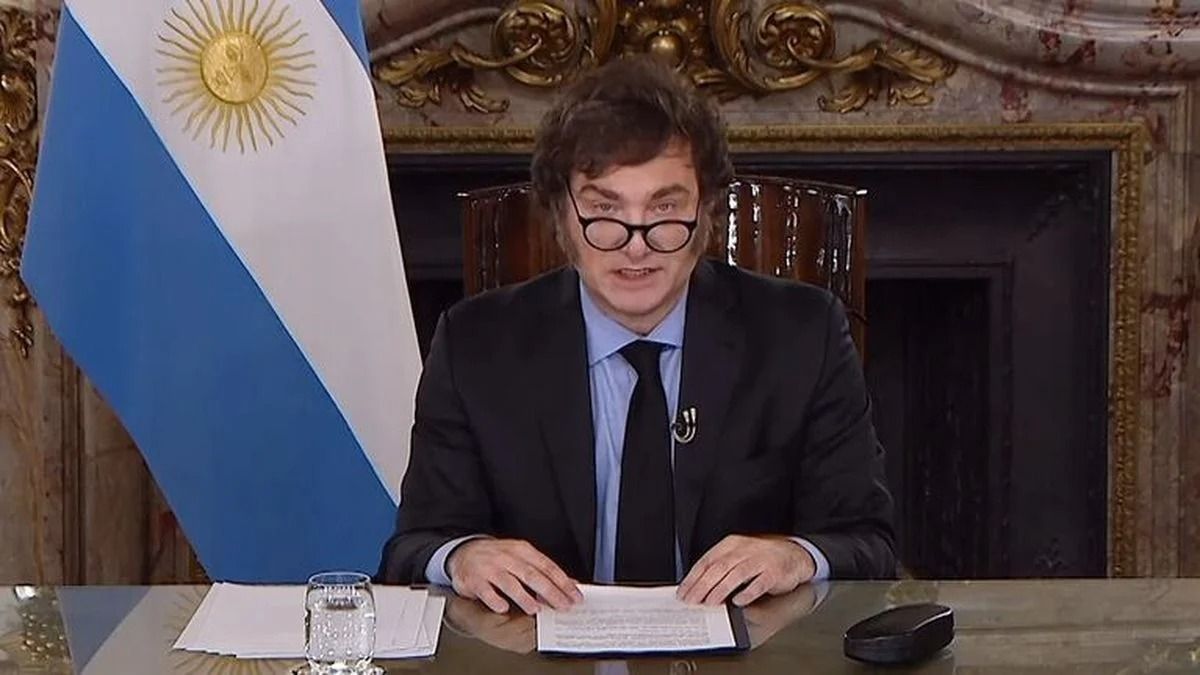 The government said the changes seek to “streamline” the procedure and avoid administrative “duplications,” and argued that citizen participation is maintained in the Senate
 Argentina's President Javier Milei reformed by decree the system for appointing Supreme Court justices: he eliminated a stage of citizen participation prior to the nomination and removed the recommendation to consider criteria of gender, specialty and regional-origin diversity. The measure, made official on Tuesday, was questioned by legal experts and judicial-sector organizations.
Decree 467/2026, also signed by Justice Minister Juan Bautista Mahiques, modifies the 2003 rules that governed the appointment of the top court's justices, the Procurador General and the Defensor General. The new regime eliminates the stage, in force for more than two decades, in which citizens, non-governmental organizations, professional bar associations and academic entities could present founded observations on the candidates over a 15-day period, before the Executive sent the nominations to the Senate. It also repeals the obligation to publish the candidacies in national newspapers; their dissemination will be limited to the Official Gazette and the Justice Ministry website.
The government said the changes seek to “streamline” the procedure and avoid administrative “duplications,” and argued that citizen participation is maintained in the Senate, where —according to the decree— the publicity and public evaluation of candidates are guaranteed. The reform does not alter the constitutional procedure: Court justices will continue to be proposed by the president, subjected to public hearings and challenges in the upper house, and approved by two-thirds of the senators. The Executive did not release arguments to defend removing the criteria of gender, territorial and specialty representativeness.
The criticism was swift. The Buenos Aires Public Bar Association called the reform an “unnecessary setback” and held that the possibility for civil society to express support or objections before the nominations were sent “enriched the presidential decision” and broadened transparency. Constitutional scholar Andrés Gil Domínguez, who filed a constitutional challenge against the decree, considered it “an unjustified regulatory regression of the right to petition, participate and deliberate democratically” and of the “right to non-discrimination” by gender. Deputy Pablo Juliano, of the Radical Civic Union, said the government “leaves citizens out” of the selection. Several organizations filed an injunction to halt the measure.
Argentina's Supreme Court should have five members but has functioned with three since 2024. That year, Milei tried to fill the vacancies by decree, with the appointment of two judges whom the Senate rejected. More recently, the president withdrew the nomination of a federal-judge candidate over her kinship with a journalist who has investigated corruption allegations in the government; the Senate approved her appointment anyway, which Milei has not yet signed.


Top Comments
Disclaimer & comment rulesCommenting for this story is now closed.
If you have a Facebook account, become a fan and comment on our Facebook Page!