MercoPress. South Atlantic News Agency



De la Espriella wins Colombia's presidency in the preliminary count as Cepeda awaits the tally
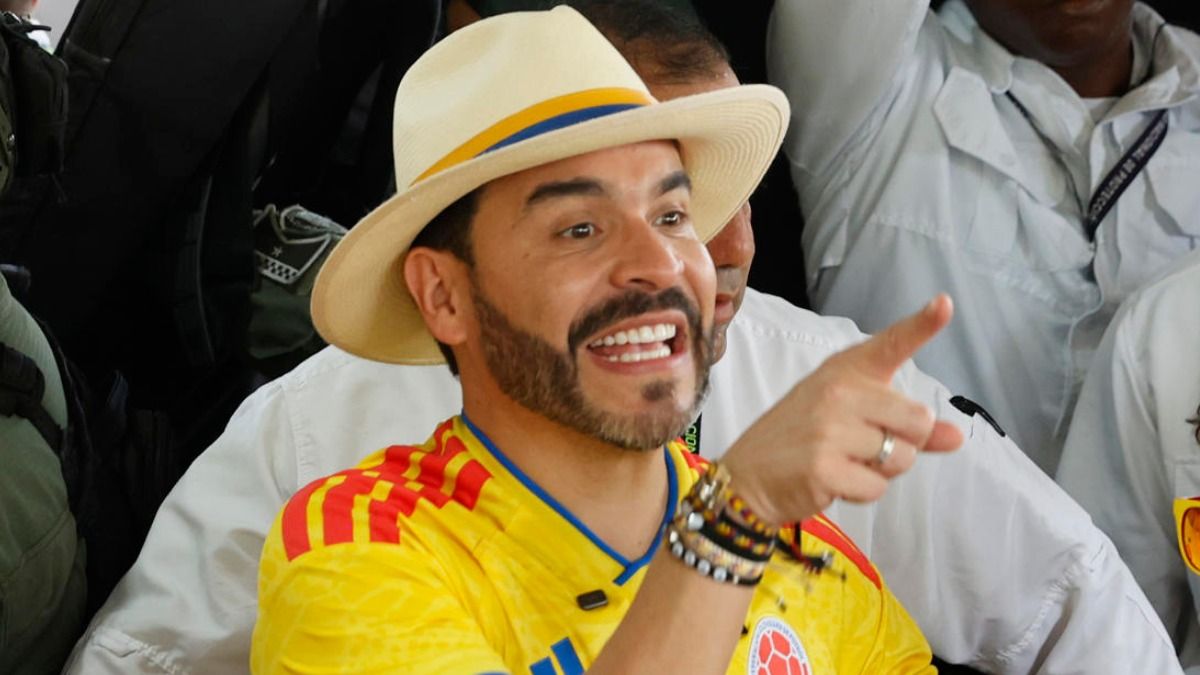 De la Espriella addressed Colombians with a “message of unity” and promised “absolute respect” for the vote
 Right-wing criminal lawyer Abelardo de la Espriella won Colombia's presidency, according to the preliminary count by the Registraduría, defeating left-wing senator Iván Cepeda by less than a point in the closest runoff in the country's history. With about 99.9% of the tables processed, De la Espriella took 49.66% of the vote against Cepeda's 48.70%, a difference of some 250,000 ballots. The governing-coalition candidate acknowledged the preliminary count but warned that he would not accept the result until the definitive tally, and challenged 33,000 of the 120,000 polling tables; President Gustavo Petro said that “neither can proclaim himself president.”
The preliminary count is not binding: the official result will come from the tally conducted by the electoral commissions in the coming days. Historically, however, the variation between the two has been minimal —0.06% in the first round and 0.11% in the 2022 runoff— so reversing the trend would require a change on the order of 0.9%, according to the electoral authority's own data. Turnout was a record, close to 63%, the highest in Colombian history. Null and blank votes, some 676,000, more than doubled the difference between the two candidates, reflecting a country split almost in half.
| Candidate | Party | Votes | % |
|---|---|---|---|
| Abelardo de la Espriella | Defensores de la Patria | 12,959,515 | 49.66% |
| Iván Cepeda | Pacto Histórico | 12,708,695 | 48.70% |
Preliminary count (Registraduría), ~99.9% of tables. Difference: ~250,000 votes. Turnout: ~63%. Preliminary, unofficial result.
De la Espriella addressed Colombians with a “message of unity” and promised “absolute respect” for the vote. Speaking to Cepeda's voters, he said: “You will never have to fear thinking differently. My purpose will be to earn your trust with results, not with speeches.” Cepeda, for his part, claimed his movement as “an indisputable force,” called for serenity ahead of the tally and announced that he would lead the opposition: “We will not allow, using the strength of democracy, the social gains we have built to be rolled back.”
Among international reactions, US Secretary of State Marco Rubio congratulated the winner and said the Trump administration looks forward to working with his future government on regional security, migration control and economic ties. Trump had voiced his “total support” for the candidate in the preceding weeks. If the result holds, Colombia —which in 2022 elected its first leftist president— would join the series of right-wing governments that predominate in the region. Analysts attribute the outcome partly to a vote rejecting Petro, who ends his term with four open crises: the expansion of armed groups, the fiscal deficit, the state of the health system and corruption scandals.
De la Espriella, 47, presented himself as an “outsider,” though he received the backing of traditional sectors of the right, led by former president Álvaro Uribe, and of several regional political clans. He chose as vice president José Manuel Restrepo, a technocrat and former finance and trade minister in Iván Duque's government. The transfer of power is set for August 7.
His program promises an “iron-fist” security shift: burying Petro's “Total Peace” policy —simultaneous dialogue with all armed groups— and deploying a 90-day “shock plan,” with a military offensive against guerrillas and dissident factions on a scale not seen since Uribe's governments (2002-2010). Risk analysts warn that such a shift could trigger armed strikes and attacks, especially in the southwest, Catatumbo and the Pacific. On social issues, he defends traditional values and opposes abortion and same-sex marriage, which has raised concern among activists about a possible rollback of rights. His campaign combined mass rallies with an intensive digital strategy. The new term also arrives without the comfortable margin his campaign anticipated: with the country split almost in half, De la Espriella will govern without broad room to impose the shift he promised.


Top Comments
Disclaimer & comment rulesCommenting for this story is now closed.
If you have a Facebook account, become a fan and comment on our Facebook Page!