MercoPress. South Atlantic News Agency


Falklands, lower catch from the Illex squid season; concern with fuel costs
 Dr. Winter pointed out fo fuel costs but however said that the Islands should not expect a big decline in the fleet from what we are hearing,
  Mike Poole said actually catches in the Argentine zone this year have been quite strong, and “they had quite a pretty good season”.
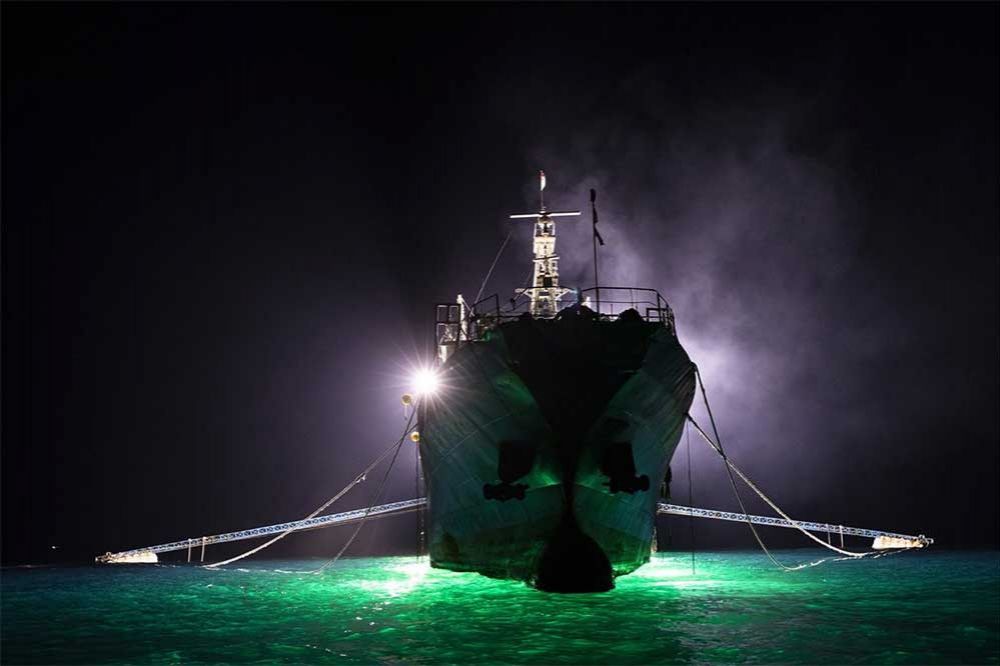
 The illex squid fishing season in the Falklands Islands officially closed this Monday although many vessels had left by early June. The season was marked by rising fuel prices and catches well below the ten year average, however the Falkland Islands Fisheries department and the Fishing Companies Association, FIFCA, say the low catch is not an immediate cause for concern.
Dr. Andreas Winter and head of Fisheries Science at the Fisheries Department together with Mike Poole, Vice-chair of FIFCA Illex Operations group and CEO of Seafish Ltd addressed the issue in an interview with the local Television Station.
Dr. Winter mentioned that some 62.000 of catches in the current season, which is the fourth lowest of the past eleven years, and actually the lowest since 2023. “We tend to have somehow cycles, seasons are low for a while, they build up gradually over a few years, and then we have a high year or two, and then they crash again. So we seem to be in the middle of that now”
Mike Poole said there was a total of 108 fishing vessels in this last season, and throughout May they started to depart, really catches were not fantastic. “From our estimates and what I looked at this morning it seems catches for 2026 were down on average 30% compared to the last ten years and 20% down compared to last year, so underlined Poole, quite a significant decline, unfortunately. And not made up by catches in the high seas, which was also pretty low across the board”.
Dr. Winter explained that this season squid went north to southern Brazil, and then migrated to the Falklands to feed, but this can change a lot from year to year depending on what the migratory route are. Earlier in the year they also ended up further west in the zone, than they often do in March. So it’s all these variable factors influencing catches.
Poole then added “what we are seeing from publicly available information and from partners who have a bit of knowledge of what’s going on in the Argentine fishery, actually catches in the Argentine zone this year have been quite strong, and they had quite a pretty good season. So suggesting something, the squid were there, but they just did not migrate north and then back to the south into the Falklands zone, unfortunately”.
Dr. Winter further pointed out that the situation this year in the Falklands is that the fishery has been dealing with high fuel costs, with some vessels reaching their break-even point earlier than they should have.
However Poole said “we are hopeful and confident that the vessels will return for the next year. We’re still in discussions with the Fisheries Department about what the licensing arrangements look like, and obviously the Executive Council will be making decisions on fees in the next few months as well. And we hope that they keep us in mind that we’ve just had quite a challenging year and they are making those kind of decisions and looking around access arrangements for the next season and beyond”.
Dr. Winter added that the Islands should not expect a big decline in the fleet from what we are hearing, but then there’s always the risk if they two or three bad years that owners don’t want to send their vessels this far afield and that the operating costs just don’t make sense.
Finally Poole indicated that “we all hope we see some reduction in fuel prices over the next few months, which again help bring the operating costs down a bit. So hopefully that will be more favorable for next year”.


Top Comments
Disclaimer & comment rulesCommenting for this story is now closed.
If you have a Facebook account, become a fan and comment on our Facebook Page!