MercoPress. South Atlantic News Agency


Cepeda threatens 'civil disobedience' unless Colombia's president-elect renounces US citizenship
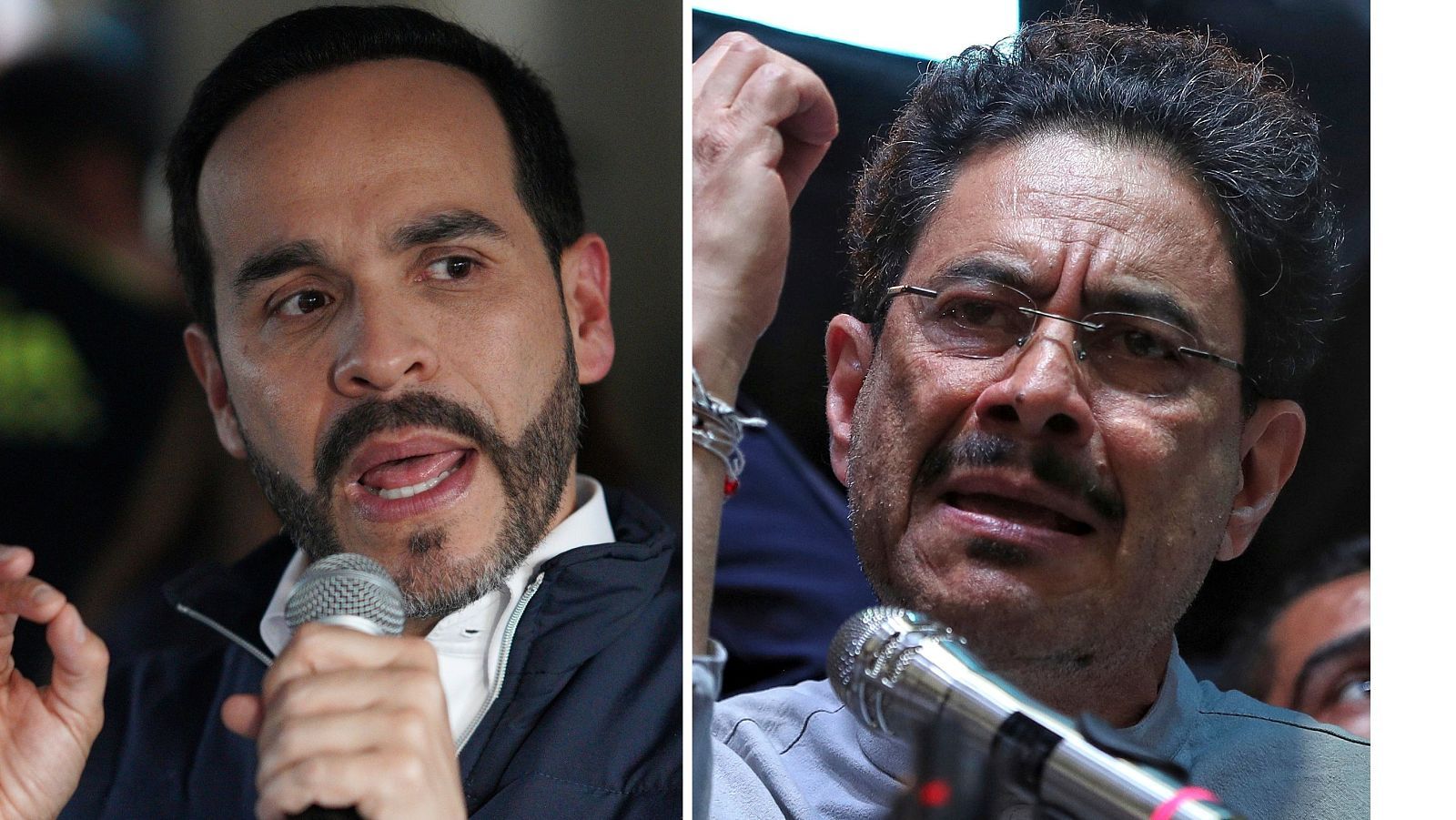 Colombian Constitution does not prohibit dual nationality for the presidency: it requires being born in the country and being over 30, requirements that De la Espriella, born in Bogotá, meets
 Left-wing senator Iván Cepeda, who lost Colombia's presidential runoff, announced on Tuesday that he will resort to “peaceful civil disobedience” against the incoming government of Abelardo de la Espriella if the president-elect does not renounce his US citizenship and clarify a series of questions before taking office on August 7. The Pacto Histórico leader, from the party of outgoing President Gustavo Petro, urged his voters to join the measure, which he described as not recognizing the new president's authority.
“It must be completely clear and defined that De la Espriella renounces US nationality, and he must clarify whether he is a collaborator or member of security agencies” of that country, Cepeda said in a statement. The senator held that US citizenship, acquired through an oath of allegiance, is “incompatible” with the presidency, because “in any conflict between our country's constitutional sovereignty and that of the United States, De la Espriella would have to side with the latter.” In his view, if he takes office without meeting those conditions, his inauguration would be “tainted” as “illegal and illegitimate.”
The president-elect's dual nationality —he also holds Italian citizenship— was questioned before the runoff by a group of 36 jurists, who warned of possible conflicts of interest. However, the Colombian Constitution does not prohibit dual nationality for the presidency: it requires being born in the country and being over 30, requirements that De la Espriella, born in Bogotá, meets. Constitutional experts cited by local media said that, while the objection raises an ethical debate, there is no rule that would lead to his disqualification.
De la Espriella, 47 and a member of the US Republican Party, has argued that his commitment is to Colombia and that the constitution does not bar him from holding other nationalities. Cepeda also called for clarification of the professional relationship the lawyer maintained between 2013 and 2019 with Colombian-Venezuelan businessman Alex Saab, now detained in the United States and accused of being an alleged frontman for deposed Venezuelan president Nicolás Maduro. The president-elect acknowledges that representation and has defended it as a lawful practice of law; he explained that his contacts with the DEA, CIA and FBI were “over Saab's affairs,” to facilitate a negotiation that, he said, the businessman did not accept.
The senator cited a letter sent days earlier by eleven US Democratic congressmen to the attorney general and the Treasury, asking them to investigate whether transactions partly financed by Saab “could have benefited” De la Espriella; this is a request for an investigation, not a charge. Cepeda also demanded that the incoming government cease “all persecution” against Petro and drop any attempt to extradite him, referring to unconfirmed reports about inquiries by New York prosecutors. De la Espriella has said he would be willing to extradite Petro if the US requested it and ongoing investigations advance. An analyst from Javeriana University read the announcement as the start of Cepeda's opposition strategy, which will seek to block the new government's agenda in Congress and, if necessary, in the streets.


Top Comments
Disclaimer & comment rulesCommenting for this story is now closed.
If you have a Facebook account, become a fan and comment on our Facebook Page!