MercoPress. South Atlantic News Agency

Six months after Maduro's capture, Rodríguez's interim mandate expires after the quake
 Maduro's capture led to a reconfiguration of power headed by Rodríguez and her brother Jorge
 Six months after the capture of former president Nicolás Maduro by the United States, Venezuela faces an institutional crossroads: the 180-day interim mandate of acting President Delcy Rodríguez —granted after Maduro's removal in January— was set to expire on Friday, with no clarity on what would come next. The uncertainty is compounded by the June 24 twin earthquake, which left more than 2,500 dead according to the official toll and has become the government's biggest test of competence.
Venezuela's Constitution establishes that a president's absence be filled by the vice presidency —the post Rodríguez held— for up to 90 days, extendable by another 90 by the National Assembly, controlled by her party, which can call elections if it declares the vacancy permanent. Several trade-union organizations called protests for Friday over what they consider a “usurpation” of power. Meanwhile, Rodríguez firmly defended her handling of the emergency and rejected accusations of a slow response, holding that the deployment was “immediate” and that any delays were due to roads being blocked by rubble.
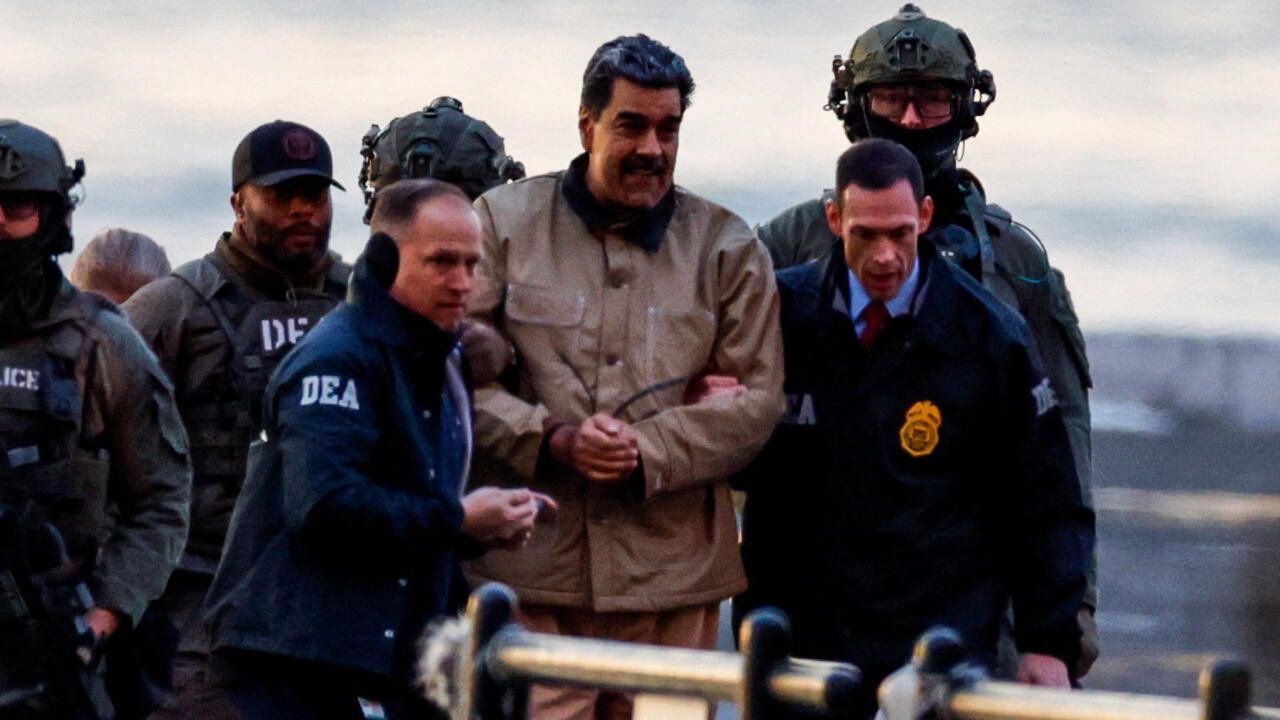
Maduro's capture led to a reconfiguration of power headed by Rodríguez and her brother Jorge, president of the National Assembly, which pushed historic Chavista figures out of the front line. Among the most visible changes is that of former Defense Minister Vladimir Padrino López, moved to the Agriculture portfolio after eleven years leading the military area. Maduro, meanwhile, remains imprisoned in Brooklyn on drug-trafficking charges; he pleaded not guilty and his next hearing is scheduled for July 22.
The new government adopted measures aligned with Washington's demands. It enacted an amnesty law that allowed hundreds of political prisoners to be freed —though close to 400 remained jailed, according to the NGO Foro Penal— and reformed the hydrocarbons law to attract foreign investment to the oil sector, which, combined with the easing of US sanctions, prompted the return of companies such as Spain's Repsol. The United States, which has controlled Venezuelan oil revenue through its Treasury since Maduro's capture, committed more than $300 million and deployed some 900 troops for rescue operations. Analysts consulted by the broadcaster RTVE described the arrangement as a “quasi-tutelage” relationship with Donald Trump's administration, in which the main decisions would respond to Washington's guidance.
The transition left the opposition in an uncertain position. Leader María Corina Machado, in exile since late 2025, has not returned to the country; this week she accused the government of “blocking” her entry, while, according to US media, it was the Trump administration itself that dissuaded her from returning. Washington recognized opposition candidate Edmundo González's victory in the 2024 election, but has not counted on Machado and has sounded out other figures, such as former lawmaker Dinorah Figuera, seen as less confrontational ahead of a possible negotiation with the Chavista government.


Top Comments
Disclaimer & comment rulesCommenting for this story is now closed.
If you have a Facebook account, become a fan and comment on our Facebook Page!