MercoPress. South Atlantic News Agency
Stories for July 3rd 2026
-
Friday, July 3rd 2026 - 23:29 UTC
Six months after Maduro's capture, Rodríguez's interim mandate expires after the quake
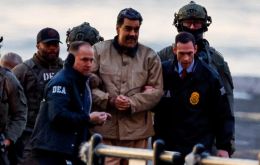
Six months after the capture of former president Nicolás Maduro by the United States, Venezuela faces an institutional crossroads: the 180-day interim mandate of acting President Delcy Rodríguez —granted after Maduro's removal in January— was set to expire on Friday, with no clarity on what would come next. The uncertainty is compounded by the June 24 twin earthquake, which left more than 2,500 dead according to the official toll and has become the government's biggest test of competence.
-
Friday, July 3rd 2026 - 09:58 UTC
Mercosur backs Argentina days after Islanders' UN appeal for self-determination
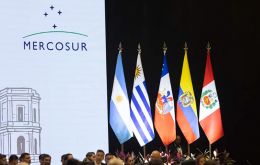
Within the span of a week, the two opposing positions in the Falklands dispute were laid out clearly in two separate arenas: South American governments' backing for Argentina's sovereignty claim, and the defense of self-determination that two representatives of the Islanders took to the United Nations. Neither pronouncement was a reply to the other, but together they illustrate the distance between two hard-to-reconcile logics.
-
Friday, July 3rd 2026 - 08:55 UTC
In Uruguay, Kast urges harsher penalties for crime leaders and total prison isolation
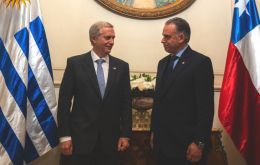
Chile's President José Antonio Kast argued on Wednesday in Montevideo that the region's countries must toughen their laws to combat organized crime, with life sentences for those who lead gangs and a regime of total isolation in prisons to stop them from continuing to operate from behind bars. The president laid out his position after meeting with Uruguayan President Yamandú Orsi, as part of an official visit to Uruguay.
-
Friday, July 3rd 2026 - 07:53 UTC
Milei abolishes the Interior Ministry, expanding Santilli's role ahead of Congress talks

Argentina's government abolished the Interior Ministry and transferred its functions to the cabinet chief's office, headed by Diego Santilli, through an emergency decree published on Thursday in the Official Gazette. The measure places the political relationship with governors, provinces, municipalities, the City of Buenos Aires and Congress under the coordinating minister's remit, along with powers over the electoral system and political parties. With the change, the national cabinet is reduced to eight ministries.
-
Friday, July 3rd 2026 - 07:47 UTC
Snow blankets Mar del Plata as a record polar cold wave grips Argentina
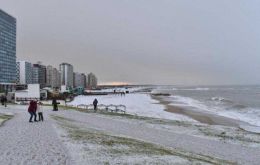
The seaside city of Mar del Plata, one of the main tourist destinations on Argentina's Atlantic coast, woke up covered in snow on Thursday, an unusual sight for a temperate-climate city that became the most widely shared image of the intense polar cold wave sweeping the country. Thermometers read around 1 degree below zero, with a wind-chill close to -3 °C, and snow and sleet were recorded from the early hours in various parts of the General Pueyrredón district, with heavier accumulation in the Sierra de los Padres area.