MercoPress. South Atlantic News Agency
PAHO warns Venezuela quake health emergency has entered critical phase
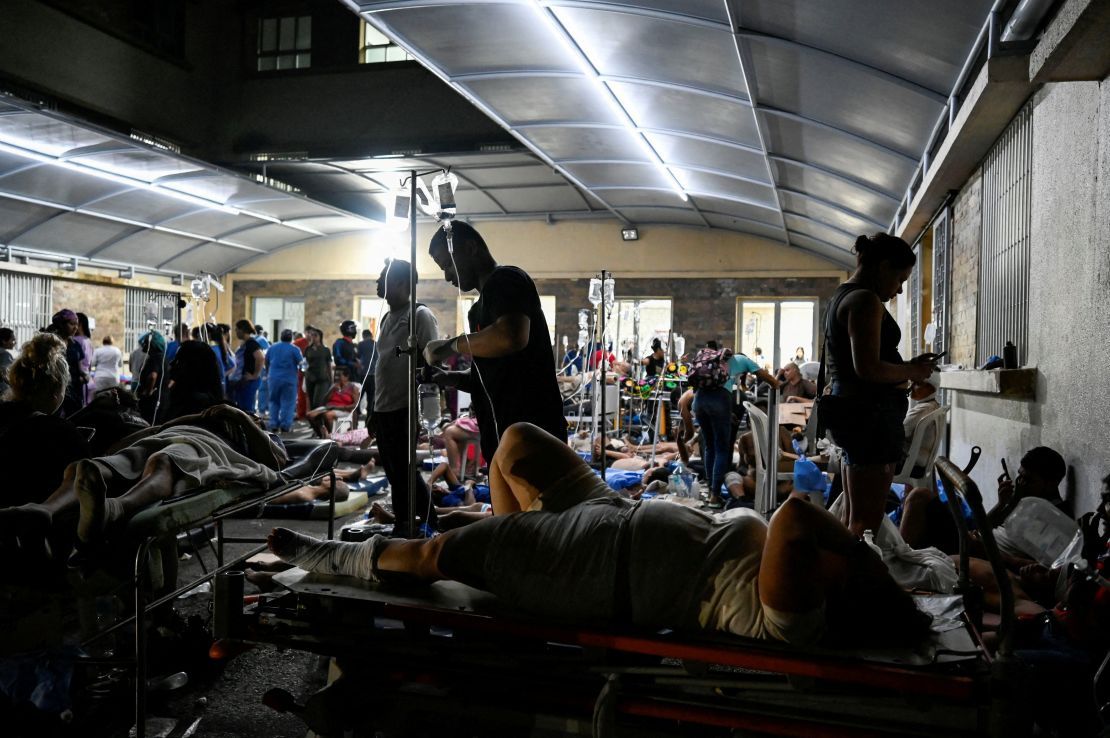 Photo: Maxwell Briceno / REUTERS
 The Pan American Health Organization (PAHO) warned on Thursday that the health emergency stemming from the earthquakes that struck north-central Venezuela on June 24 has entered a critical stage and is “far from over,” with the focus on preventing disease outbreaks among the displaced population. According to the official toll cited by the organization, as of July 8 the quakes had left 3,811 people dead and 16,740 injured.
At a news conference, PAHO director Jarbas Barbosa said that in the coming weeks the greatest health risks may arise not only from injuries caused by the earthquakes, but also from disruptions to health services, overcrowding in shelters, deficiencies in water and sanitation, and reduced access to vaccination and routine care. More than 17,000 people remain displaced, most housed in some 87 temporary camps, which the organization identified as the highest-risk settings.
Barbosa noted, however, that the warning does not mean a widespread outbreak already exists, and that PAHO maintains an epidemiological surveillance and early-warning system. The organization ruled out the risk of cholera and placed its main concerns on respiratory, diarrheal and skin diseases, as well as measles and whooping cough, given that Venezuela already had vaccination coverage below required levels before the disaster.
PAHO also presented an assessment of the hospital network in the seven affected states, showing the extent of the damage:
| Level of damage | Facilities |
|---|---|
| Hospitals with structural damage (evacuated) | 3 |
| Hospitals with temporarily compromised operations | 24 |
| Hospitals with minor damage | 20 |
| Specialized outpatient centers damaged | 20 |
| Primary care units affected | 100+ |
The organization said about 50 facilities remain operational, though many are working at limited capacity because of the damage and the shortfalls the Venezuelan health system was already carrying, weakened after years of economic crisis and the emigration of health workers. In La Guaira, the hardest-hit state, close to half of the health personnel were lost because workers died, remain missing, were injured or left homeless.
Regarding the fatalities, PAHO said more than 300 recovered bodies remain without definitive identification, though all were registered and their genetic material preserved to allow later identification. The organization stressed that, contrary to a widespread perception, the main health risk does not come from handling the dead, but from caring for the injured and from the conditions of the displaced population. PAHO issued an appeal for nearly 24 million dollars to sustain the response over the next six months.

Top Comments
Disclaimer & comment rulesCommenting for this story is now closed.
If you have a Facebook account, become a fan and comment on our Facebook Page!