MercoPress. South Atlantic News Agency
Stories for July 10th 2026
-
Friday, July 10th 2026 - 18:51 UTC
British Antarctic Survey confirms Antarctica's first dinosaur fossil, 40 years on
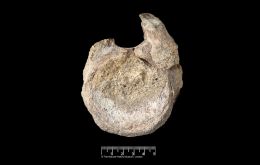
A bone collected in Antarctica four decades ago has been identified as the first dinosaur fossil found on the continent, according to a study published in the journal Acta Palaeontologica Polonica. It is a tail vertebra from a titanosaur, the group of long-necked sauropods that includes the largest land animals that ever lived.
-
Friday, July 10th 2026 - 18:37 UTC
Colombia's president-elect asks Congress to be sworn in at a military base

Colombia's president-elect, Abelardo de la Espriella, has asked Congress to assess the legal feasibility of moving his inauguration ceremony, set for August 7, from Bogotá to a military garrison, in a proposal without recent precedent that will be left to the incoming legislature to decide.
-
Friday, July 10th 2026 - 18:27 UTC
Milei plans regional tour seeking investment, with a Bolsonaro visit that irks Lula

Argentine President Javier Milei announced a busy international schedule for the coming weeks, with trips to Brazil, Peru, Colombia and Ecuador, which he presented as part of an outward-looking strategy aimed at attracting trade and investment. The itinerary includes a gesture toward the Brazilian opposition that is likely to cause discomfort for the government of President Luiz Inácio Lula da Silva.
-
Friday, July 10th 2026 - 18:22 UTC
Uruguay reels from rare quintuple homicide as five relatives shot dead in Montevideo
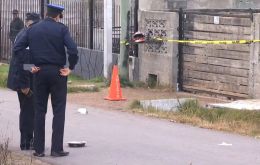
Five members of the same family, including a 14-year-old girl, were killed on Friday in a shooting in the El Monarca neighborhood, on the northeastern outskirts of Montevideo, in an attack that authorities link to violence between criminal groups and that has no recent precedent in Uruguay.
-
Friday, July 10th 2026 - 09:51 UTC
SAERI launches new research projects across the Falklands and South Atlantic
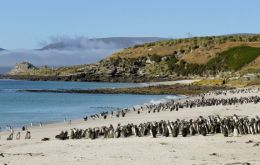
The South Atlantic Environmental Research Institute (SAERI) has secured funding for a series of new scientific projects aimed at strengthening environmental monitoring, conservation science and evidence-based management across the Falklands and the wider South Atlantic.
-
Friday, July 10th 2026 - 08:55 UTC
PAHO warns Venezuela quake health emergency has entered critical phase
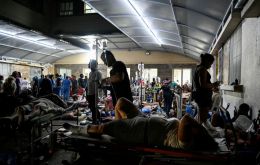
The Pan American Health Organization (PAHO) warned on Thursday that the health emergency stemming from the earthquakes that struck north-central Venezuela on June 24 has entered a critical stage and is “far from over,” with the focus on preventing disease outbreaks among the displaced population. According to the official toll cited by the organization, as of July 8 the quakes had left 3,811 people dead and 16,740 injured.