MercoPress. South Atlantic News Agency

US-backed talks between Venezuela's two parliaments to begin August 1
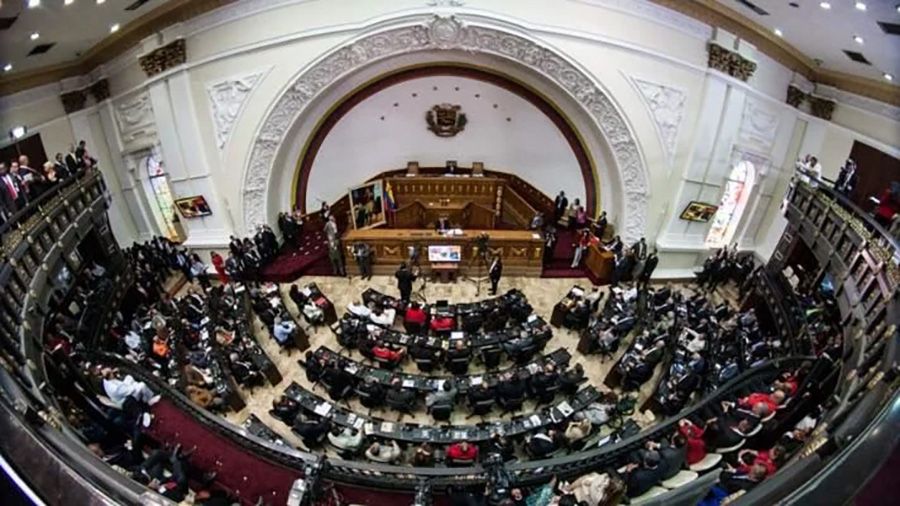 The talks will bring together the National Assembly elected in 2015, with an opposition majority and headed by Figuera, and the 2026 Assembly, controlled by Chavismo and led by Jorge Rodríguez
 The two legislative bodies vying for legitimacy in Venezuela will begin a joint working agenda on August 1, promoted by the United States, with the stated aim of moving toward a democratic reinstitutionalization of the country, more than six months after the capture of former President Nicolás Maduro.
The talks will bring together the National Assembly elected in 2015, with an opposition majority and headed by Dinorah Figuera, and the Assembly elected in 2026, controlled by Chavismo and led by Jorge Rodríguez, brother of acting president Delcy Rodríguez. Both confirmed the resumption of contacts through statements. According to the text released by Figuera, the agenda will prioritize strengthening democratic institutions and the electoral system, and restoring guarantees for political participation. Rodríguez, by contrast, presented the process as part of a call for national unity to confront the emergency, and referred to his counterparts as former members of the 2015 Assembly.
The formal rapprochement began on June 18, when Figuera returned to Caracas after eight years in exile and met with Rodríguez. Figuera, a physician and member of the Primero Justicia party, was designated by the US State Department to lead the talks. Since 2023 she has headed the delegate commission of the 2015 Assembly, which Washington considers Venezuela's last legislative body to emerge from elections recognized as competitive and which retains legal control over some Venezuelan assets abroad, such as the Citgo subsidiary. Figuera argues that this institutional status underpins her role in the negotiation.
The appointment sidelined opposition leader María Corina Machado, the Nobel Peace Prize laureate, who had been emerging as the main interlocutor with the government. Machado, in exile since December, has not commented on Figuera's efforts. She maintains that opposition candidate Edmundo González Urrutia won the disputed 2024 election — in which Maduro was declared the winner amid fraud allegations — and, together with González, has called for new presidential elections. During the earthquake emergency, she said she had been prevented from boarding a flight to Caracas in Panama. The revival of dialogue through Figuera was read by some opposition sectors as a sign of Washington's pragmatic shift away from Machado's leadership.
The process returns the electoral question to the center of the agenda, after months in which the US priority had been stabilizing the country following Maduro's capture, the resumption of diplomatic relations and the gradual lifting of sanctions. The backdrop is an institutional vacuum: on July 3, the 180-day period the Constitution sets for a temporary absence of the president expired, a deadline after which an election should be called. In January, the Supreme Court described Maduro's imprisonment as a “forced absence,” a figure not expressly provided for in the Venezuelan Constitution.
Until a few days ago, Rodríguez refused to discuss any political calendar while attention to the earthquake victims continued. At a news conference he called it “disrespectful” to the victims to raise the renewal of the National Electoral Council or the Supreme Court at this time. “We don't have the headspace to be worrying about the Supreme Court right now; what we are worrying about is people who are suffering unspeakably,” he said.
The announcement coincides with Washington's timeline: a hearing is scheduled this week in the US Congress on the human rights situation in Venezuela and the response to the June 24 earthquakes, which according to the latest official toll have left at least 4,561 dead, though other estimates put the figure higher. The 2015 Assembly resumed its sessions this week at an alternate venue, after the Legislative Palace was damaged in the disaster.


Top Comments
Disclaimer & comment rulesCommenting for this story is now closed.
If you have a Facebook account, become a fan and comment on our Facebook Page!