MercoPress. South Atlantic News Agency



“The Falklands cannot remain British for ever,” a Guardian column argues
 The columnist reviewed the negotiations that preceded the 1982 war
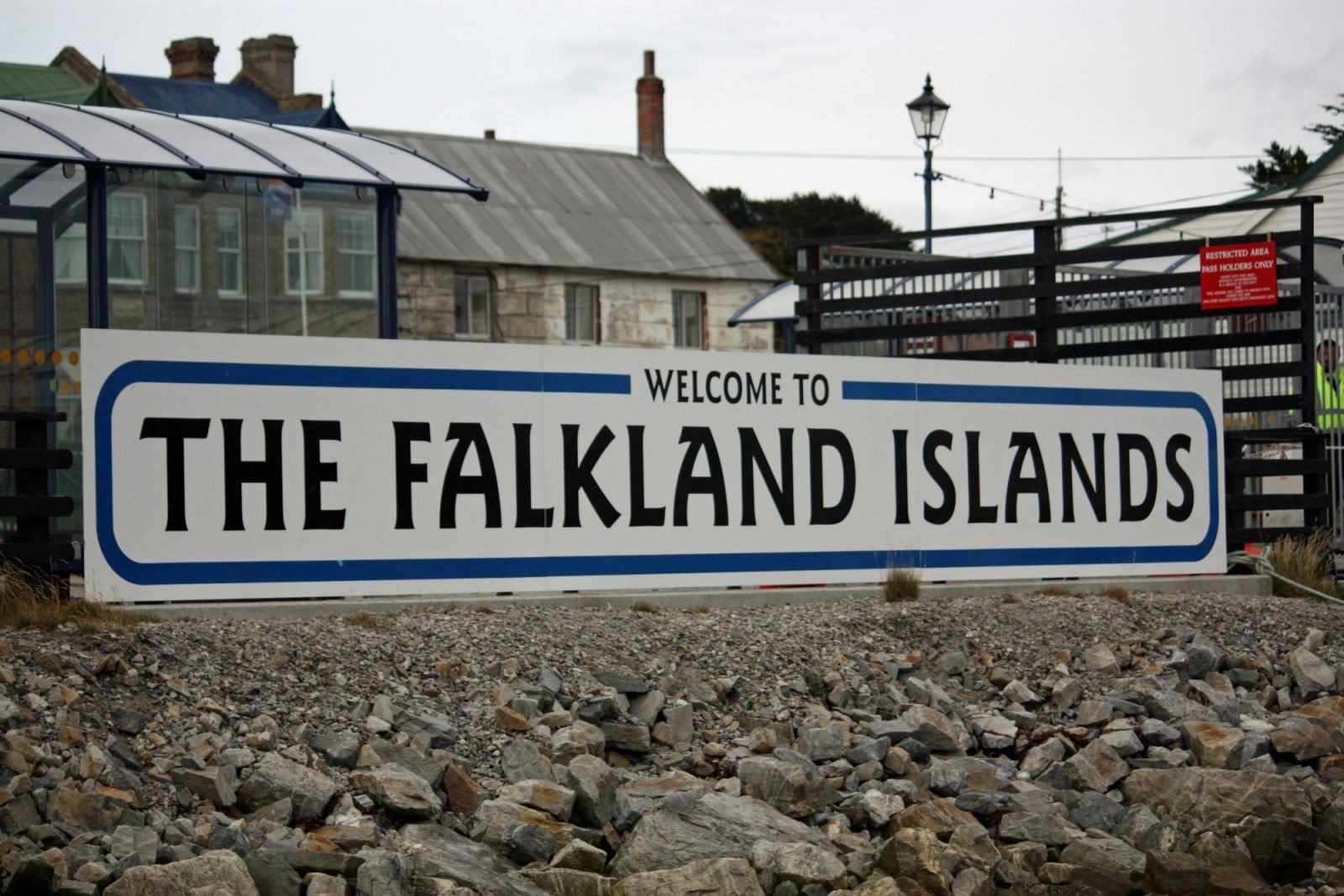
 In an opinion column published in the British newspaper The Guardian, writer Simon Jenkins argued that the Falklands “cannot remain British for ever” and called for London to eventually reopen sovereignty negotiations with Argentina. The piece is the columnist's personal opinion and does not represent the newspaper's editorial position.
Jenkins took as his starting point two recent developments: the agreement reached this week between the United Kingdom and Spain to dismantle the Gibraltar border, and the “Las Malvinas son Argentinas” banner that Argentine players displayed after knocking England out of the World Cup semifinal. Drawing on that contrast, the author argued that none of Britain's imperial-era territories has an eternal right to remain as it is, and noted that defending the islands costs the British taxpayer more than £60 million a year.
The columnist reviewed the negotiations that preceded the 1982 war. In 1980, then-minister Nicholas Ridley presented islanders with a “leaseback” formula, under which the United Kingdom would cede sovereignty to Argentina and then lease the islands back for a lengthy period while retaining administration. The historical record confirms that the proposal was rejected by the islanders themselves, hostile to ceding sovereignty to a country then ruled by a military junta, and that the British government had pledged not to proceed without their consent. Jenkins argued that Argentina's invasion in April 1982, while talks were under way, collapsed that path and froze any discussion of the islands' future for more than four decades.
In one of the most contentious passages, the author held that Britain's staunch defense of the archipelago is partly explained by the fact that the islanders were, in his words, white and British, unlike other populations of territories London relinquished. This is the columnist's personal thesis, not an established fact, and it contrasts with the official British position, which grounds its sovereignty in the principle of the inhabitants' self-determination.
That position rests on the 2013 referendum, cited in the column itself, in which 99.8% of 1,517 voters chose to remain a British overseas territory. There has been no resumption of sovereignty negotiations since, and successive British governments maintain that the question cannot be discussed without the islanders' consent. Argentina, for its part, maintains its claim and has on various occasions asked to reopen talks.
Jenkins concluded that, sooner or later, a British government will find the courage to reopen negotiations, though he was skeptical that a banner unfurled at a US stadium could drive such a change. The Falklands, a British overseas territory in the South Atlantic, remain the subject of a sovereignty dispute with Argentina. The 74-day war of 1982, begun with the invasion by General Leopoldo Galtieri's military junta, left 649 Argentine servicemen, 255 British servicemen, and three islanders dead.


Top Comments
Disclaimer & comment rules-

-

-

Read all commentsJenkins needs to STFU. he is a nobody, why even give him publicity.
Jul 17th, 2026 - 10:46 pm +4the islands will stay British as long as the islanders want it too,
the Gibraltar barrier was disabled with the agreement of the Gibraltarians, does not mean the status of the island has changed,
What expelled Argentine population is that ? you mean Perons lie,
Jul 18th, 2026 - 08:37 am +4here is what will happen,
the Falklands will become an independent country and no transfer of sovereignty will ever happen,
any future attempt of force by Argentina will be wiped out before it gets anywhere near the Falklands, its called technology, you live in a dream world, and are one disgusting person to want thousands more of your military to die for a lie. how about we nuke you, with hypersonic missiles,
the islanders will never forget , Britain will never forget, some people never learn.
the defence budget 20 fold ? stay off the drugs,
such a stupid post from a very stupid person,
You really are a very silly little boy Zit, the US attacking Iran has been a disaster for the US, but it has also been devastating to Iran, Argentina is decades behind the UK with technology, the UK does not stand still waiting for you to catch up, they already have non nuclear missiles that can destroy your military bases and cities, your stupidity beggars belief, you have posted this fantasy garbage time and time again, technology is the main factor, the old days of warfare are gone. if you really believe the ridiculous garbage you have posted then you are sick in the head, seek help asap.
Jul 19th, 2026 - 08:58 am +4Commenting for this story is now closed.
If you have a Facebook account, become a fan and comment on our Facebook Page!