MercoPress. South Atlantic News Agency


Baseless conspiracy theories about Argentina's defeat go viral and are debunked
 The coach attributed the defeat to the opponent's performance: “We lost because they played better, it's good to acknowledge that.”
 In the hours after Argentina's 1-0 defeat to Spain in the 2026 World Cup final, social media filled with posts claiming, without offering evidence, that the result was “fixed.” Fact-checkers and Argentina's own coach, Lionel Scaloni, moved to dismiss those versions.
The narratives, spread on X, TikTok, Facebook, and YouTube, attribute the loss to alleged pressures or hidden interests. Among the most repeated are a supposed FIFA-UEFA deal to crown Spain, an alleged “punishment” over the banner reading “Las Malvinas son argentinas” that players displayed after knocking out England, and purported threats to the footballers. None of those claims rested on documents, identifiable testimony, or formal complaints, as verification organizations such as Argentina's Chequeado and Spain's Maldita.es confirmed.
One of the most widely shared items was a video of Lionel Messi's team talk before the match, in which he is heard saying “let's forget everything,” a phrase some users read as a supposed sign of outside pressure. In its full context, the captain was urging his teammates to focus on the game.
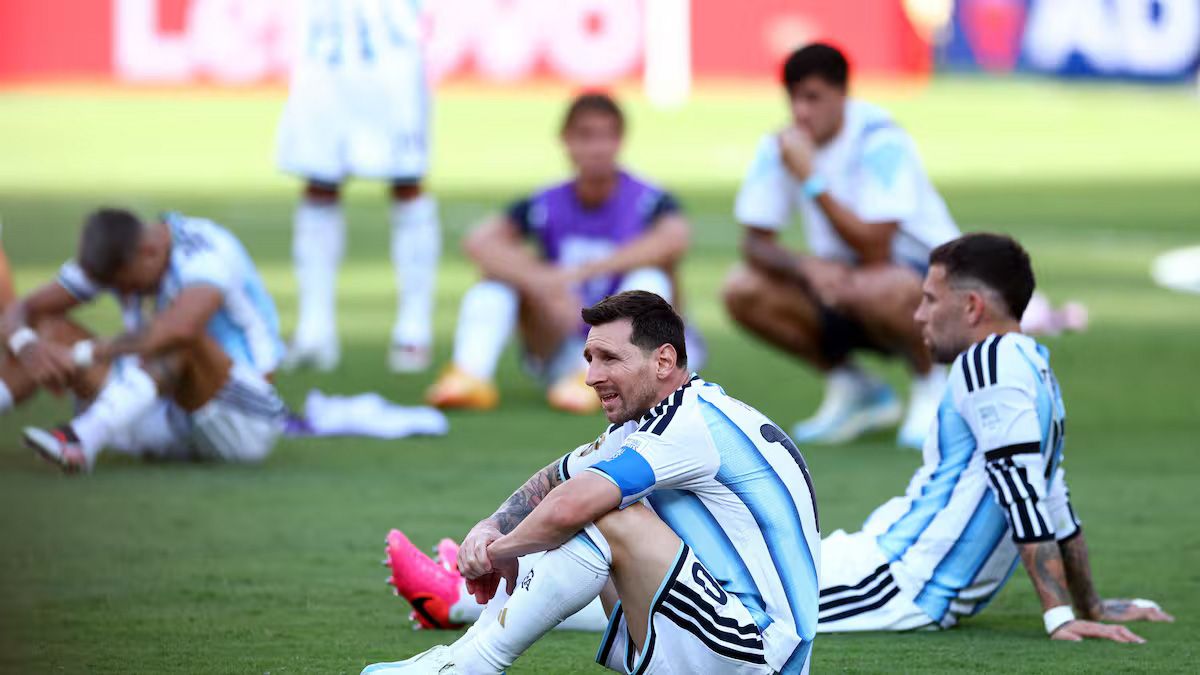
Scaloni rejected the speculation when asked by reporters. “I don't look at social media, I don't know anything,” he said, dismissing both an internal squad conflict and a supposed surprise anti-doping test before the match. On the banner, he said FIFA had told them nothing. The coach attributed the defeat to the opponent's performance: “We lost because they played better, it's good to acknowledge that.” The course of the match supported that reading: Argentina did not have a shot on target across the 120 minutes. Spain's ambassador to Argentina, Joaquín María de Arístegui, also rejected the notion of a fix, attributing it to the champions' game plan.
The phenomenon was not new at this World Cup. During the tournament, opposing narratives circulated accusing FIFA of favoring Argentina through refereeing or VAR, which fact-checkers also found baseless. After the final, the story reversed.
Disinformation specialists explain that conspiracy theories tend to grow after emotionally charged events, because they offer simple explanations for complex facts. According to a report by Chequeado, Africa Check, and Full Fact, such narratives attribute events to the secret action of powerful groups and reinforce group identity by avoiding the need to review one's own performance. Major sporting events, which draw millions and stir intense emotions, provide fertile ground for their spread. Fact-checkers recommend being wary of extraordinary explanations without evidence and checking the source of information before sharing it.


Top Comments
Disclaimer & comment rulesCommenting for this story is now closed.
If you have a Facebook account, become a fan and comment on our Facebook Page!