MercoPress. South Atlantic News Agency
US readies tariffs on some 60 economies over forced labor, with Argentina among them
 The proposal, put forward by Greer's office in June following an investigation launched in March, contemplates two tiers
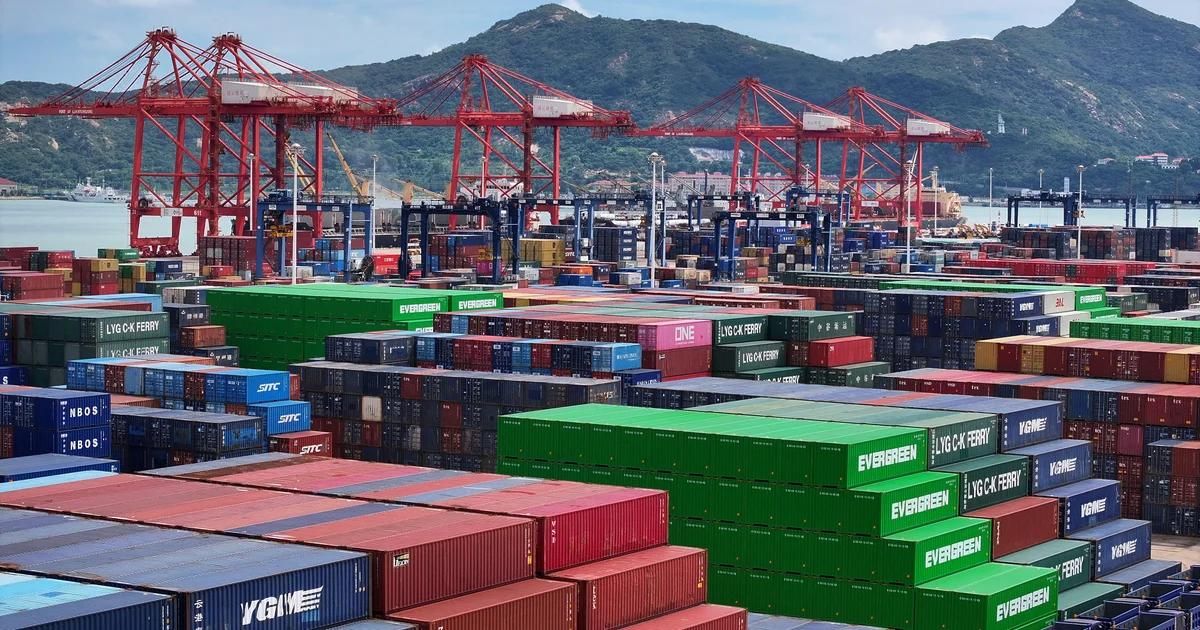
 US Trade Representative Jamieson Greer said his government will announce new tariffs on some 60 economies in the coming days for failing to enforce bans on the import of goods produced with forced labor. “The US has laws to prohibit trading goods with forced labor. Other countries, most of them, don't have a law, and those that do really don't enforce it,” he said on Tuesday in an interview with CNBC.
The levies would be applied under Section 301 of the 1974 trade law and are intended to replace the temporary 10% global tariff that President Donald Trump imposed in February, invoking Section 122, after the Supreme Court struck down his “reciprocal” tariffs on the grounds that he had exceeded his powers. That temporary levy expires on Friday unless Congress extends it, which is not considered likely. Unlike the invalidated route, Section 301 sets no rate caps or expiration dates.
The proposal, put forward by Greer's office in June following an investigation launched in March, contemplates two tiers. A 10% tariff for sixteen economies that have adopted or committed to adopting bans on such imports — among them Canada, the European Union, Mexico, the United Kingdom, Taiwan, Argentina, and El Salvador — and 12.5% for the remaining 44, including Japan, India, South Korea, Singapore, and Vietnam. Together, the targeted economies account for about 99% of US imports. Goods complying with the North American trade agreement would be exempt in the cases of Canada and Mexico.
The measures are not yet in force: the trade office continues to receive public comments following a hearing held on July 7, and Greer did not specify when they would take effect, noting that he must inform Congress and the parties involved. Canada's government has already rejected the initiative, arguing that its legislation against forced labor in supply chains should exempt it from new levies.
The new rates add to other recent trade actions under the same legal instrument. The 25% tariffs on most Brazilian products, announced last week, take effect on Wednesday. On Monday, Trump also signed proclamations to impose additional 50% tariffs in 30 days on a range of Canadian goods, citing trade discrimination against US industries such as automobiles, alcoholic beverages, and dairy. The president had previously threatened tariffs on Canada over the wildfire smoke that affected the US East Coast.


Top Comments
Disclaimer & comment rulesCommenting for this story is now closed.
If you have a Facebook account, become a fan and comment on our Facebook Page!