MercoPress. South Atlantic News Agency



Why Argentina's Falklands sanctions do not automatically reach Sea Lion's operator
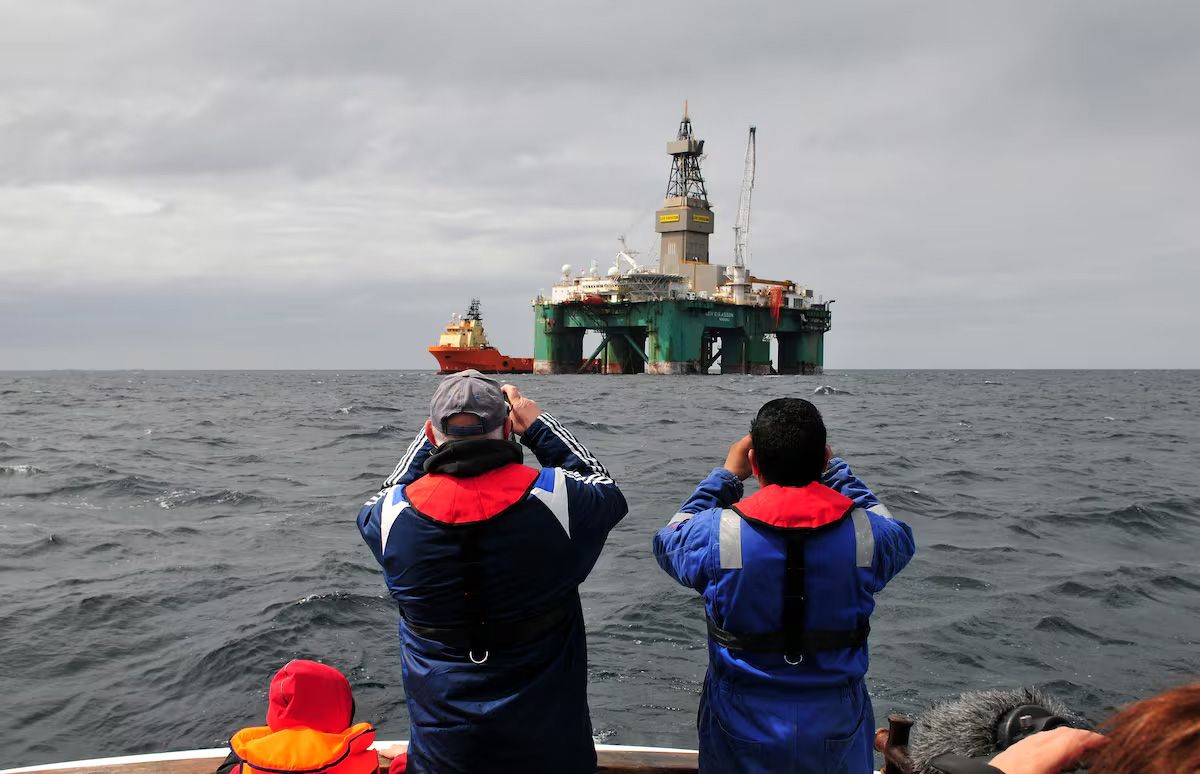 Photo: Raphael WOLLMANN / Getty Images
 The sanctions Argentina has imposed on companies involved in the Sea Lion oil project north of the Falklands target specific entities rather than entire corporate groups, so the subsidiary currently operating the field is not automatically covered, according to a legal analysis by specialist site Diplomacy & Law.
Argentina's Energy Secretariat declared Rockhopper Exploration plc's activities illegal in 2012 and barred it from operating in the country for 20 years in 2013. In 2022 it imposed a similar sanction on Navitas Petroleum LP. But the project's current operator is Navitas Petroleum Development and Production Ltd, a UK subsidiary of the Israeli group. “A sanction imposed on Navitas Petroleum LP does not automatically become an identical sanction against every affiliated company,” writes the author, Edmarverson A. Santos, unless the law expressly provides for it or a new measure is adopted.
Argentina's legal framework nonetheless reaches beyond licence holders. Law 26,659 of 2011 prohibits direct or indirect participation in hydrocarbon exploration or exploitation that the country regards as unauthorised on its continental shelf, with bans of five to 20 years. Subject to its conditions, it covers shareholders, service providers, financiers, logistics operators and technical advisers. Law 26,915 of 2013 added penalties for directors and companies.
The decree signed by President Javier Milei on September 3 designated the foreign ministry as the enforcing authority, set short deadlines for proceedings and required compliance declarations from those applying for the large-investment incentive regime or hydrocarbon permits in the country. That mechanism explains the effect on companies with business in Argentina: Halliburton, SLB and Baker Hughes have said they will not work on Sea Lion, and Halliburton said the authorities raised criminal and civil enforcement with it.
The analysis distinguishes between making rules and enforcing them. Argentina can deny permits and benefits and sanction those under its jurisdiction, but it cannot exercise coercive authority in the archipelago or another state without an independent legal basis or that country's cooperation. For companies with no ties to Argentina, the risk is mainly reputational or commercial.
None of these measures resolves the underlying question. “Falkland licences cannot establish British title to the islands, and Argentine administrative resolutions cannot establish Argentine title,” the author concludes. The United Kingdom maintains that the activity is legitimate and governed by the archipelago's legislation in accordance with international law; Argentina maintains its sovereignty claim and holds that the licences are invalid.


Top Comments
Disclaimer & comment rulesNo comments for this story
Please log in or register (it’s free!) to comment. Login with Facebook