MercoPress. South Atlantic News Agency
Tag: sea lion
-
Monday, November 2nd 2026 - 00:57 UTC
Argentina’s Sea Lion case could founder on Falklands sovereignty, a legal expert warns
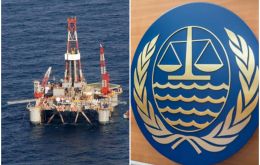
Argentina’s case against the United Kingdom over the Sea Lion oil project north of the Falklands “could fall at the first hurdle”: the jurisdiction of the International Tribunal for the Law of the Sea, which cannot settle territorial sovereignty disputes, according to Australian law of the sea expert Donald R. Rothwell. The tribunal will hold hearings on Argentina’s request on November 10 and 11 in Hamburg.
2 comments -
Wednesday, October 21st 2026 - 01:46 UTC
Argentina and the UK to face off in Hamburg on November 10 over Falklands oil
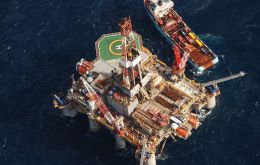
The International Tribunal for the Law of the Sea will hold hearings on November 10 and 11 on Argentina’s request for an order requiring the United Kingdom to halt the Sea Lion oil project north of the Falklands. The dates were set by the tribunal’s president, Judge Maurice K. Kamga, in an order dated October 20.
-
Thursday, October 15th 2026 - 20:59 UTC
Argentina’s bill toughening sanctions over Sea Lion stalls in Congress

The National Sovereignty Defence bill, with which Javier Milei’s government seeks to toughen sanctions against those involved in exploiting resources in the Falklands, failed to secure committee approval in the Chamber of Deputies and will not reach the special session planned for October 21, according to the Argentine press. The opposition is demanding that the text, which besides sanctions reforms security, defence and intelligence, be split.
-
Wednesday, October 14th 2026 - 21:45 UTC
What are the red notices Argentina has sought from Interpol over Sea Lion

Argentina has requested Interpol red notices against individuals linked to the Sea Lion oil project north of the Falklands, and the United Kingdom has asked the organisation to reject them as “politically motivated”, according to the British newspaper The Guardian. Interpol responded by reaffirming Article 3 of its constitution, which prohibits any intervention or activity of a political character.
-
Tuesday, October 13th 2026 - 23:03 UTC
Argentina asks the law of the sea tribunal to halt Sea Lion and bar new oil permits
Argentina has asked the International Tribunal for the Law of the Sea to order the United Kingdom to prevent the development of the Sea Lion oil project north of the Falklands and to refrain from granting new permits to exploit the resources of the disputed continental shelf, according to a statement published by the Hamburg-based tribunal. The hearing will be set “at the earliest possible date”.
-
Thursday, October 8th 2026 - 08:29 UTC
Why Argentina's Falklands sanctions do not automatically reach Sea Lion's operator
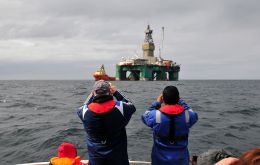
The sanctions Argentina has imposed on companies involved in the Sea Lion oil project north of the Falklands target specific entities rather than entire corporate groups, so the subsidiary currently operating the field is not automatically covered, according to a legal analysis by specialist site Diplomacy & Law.
-
Wednesday, September 30th 2026 - 22:59 UTC
London rejects Argentina's arbitration and questions its “reliability” as a partner

The British government has rejected Argentina's decision to initiate international arbitration over the Sea Lion oil project and said Buenos Aires' campaign over the Falklands “raises questions about Argentina's reliability as a partner for the United Kingdom”. It is the first time London has extended the dispute to the bilateral relationship as a whole.
-
Tuesday, September 29th 2026 - 07:30 UTC
Milei orders arbitration proceedings against the UK over the Sea Lion project
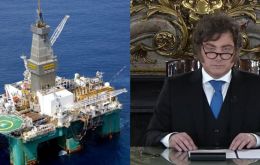
Argentine President Javier Milei on Monday instructed the foreign ministry and the government's legal teams to launch international arbitration proceedings against the United Kingdom over the development of the Sea Lion oil project in the basin north of the Falklands, and gave London two weeks to halt the activity before Argentina turns to the International Tribunal for the Law of the Sea.
-
Wednesday, August 19th 2026 - 10:01 UTC
Falklands consolidates the future of its economy in the fishing and hydrocarbons industries
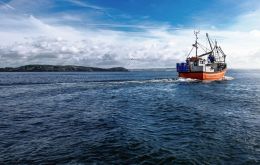
The Falklands Planning and Building Committee has approved two projects tied to the sectors that underpin the Islands' economy: fishing and hydrocarbons.
-
Friday, June 5th 2026 - 07:08 UTC
Argentina warns it could 'fully exercise all actions' over Falklands oil drilling plans

Argentina's government warned that it could “fully exercise all” available actions over plans to develop an oil field near the Falkland Islands, in a fresh escalation of the sovereignty dispute. The Foreign Ministry declared the plans of Britain's Rockhopper Exploration “unlawful” and described that company and its Israeli partner, Navitas Petroleum, as “clandestine,” after the Sea Lion project moved from exploration into development.