MercoPress. South Atlantic News Agency
Uruguay faces a 12.5% US tariff as its foreign ministry weighs the implications
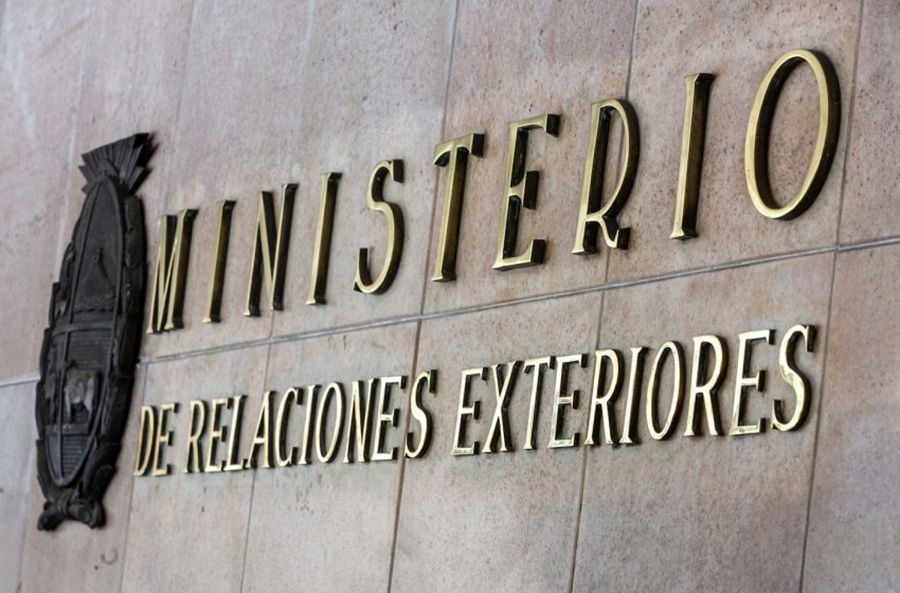 Sources at the Foreign Ministry confirmed the decision and said its implications are being analyzed, while noting that the outcome “was within expectations”
 Uruguay was placed in the highest band of the new US tariff scheme, with an additional 12.5% levy on its exports to the United States, for not having an explicit ban on the import of goods produced with forced labor. The measure, which took effect on Friday, raises the rate that had applied to the country since February, of 10%.
Sources at the Foreign Ministry confirmed the decision and said its implications are being analyzed, while noting that the outcome “was within expectations,” given that the Office of the US Trade Representative (USTR) had announced the start of the investigation in March and released its proposal in June. The Ministry of Economy and Finance confirmed the move from 10% to 12.5%.
The new scheme, applied under Section 301 of US trade law, covers 60 trading partners accounting for about 99% of US imports, and replaces the 10% universal tariff that expired on Friday. Under the USTR's determination, the 12.5% rate applies to economies that have not adopted a ban on the import of goods produced with forced labor, did not commit to implementing one through a reciprocal trade agreement, and are not part of the differentiated calculation group, which includes the European Union, Japan, South Korea, Taiwan, and Switzerland.
The breakdown leaves Uruguay at a disadvantage relative to several regional partners. Argentina, Ecuador, Mexico, Guatemala, Honduras, and El Salvador fell under the lower 10% rate, having adopted restrictions or committed to doing so. Costa Rica, Panama, and the Dominican Republic, by contrast, face 12.5%, as does Uruguay. Brazil, meanwhile, has since Wednesday been subject to 25% tariffs issued under the same legal instrument, following a separate investigation.
“The United States has had a forced labor import ban for nearly a century, and rigorously enforces it; it's well past time for our trading partners to do the same,” said US Trade Representative Jamieson Greer in announcing the measure.
The USTR said certain products are exempt, among them raw materials whose higher cost could cause supply shortages in the US market, though it did not publish a detailed list. China does not appear in this scheme, as it is subject to separate and higher tariffs.
The round is part of Donald Trump's administration's effort to rebuild its tariff structure after the Supreme Court struck down in February the tariffs issued under an emergency powers law, finding that the administration had exceeded its authority.


Top Comments
Disclaimer & comment rulesCommenting for this story is now closed.
If you have a Facebook account, become a fan and comment on our Facebook Page!