MercoPress. South Atlantic News Agency



A child's death in Argentina reopens debate over court-ordered family reunification
 The case drew national attention because of what preceded it. Two other daughters of Sosa died in similar circumstances: one aged six months in 2013 and another aged eleven months in 2016
 The death of a two-year-old girl in Villa Gesell, on the coast of Buenos Aires province, and the detention of her mother have drawn scrutiny to Argentina's child protection system, and in particular to court-ordered family reunification proceedings.
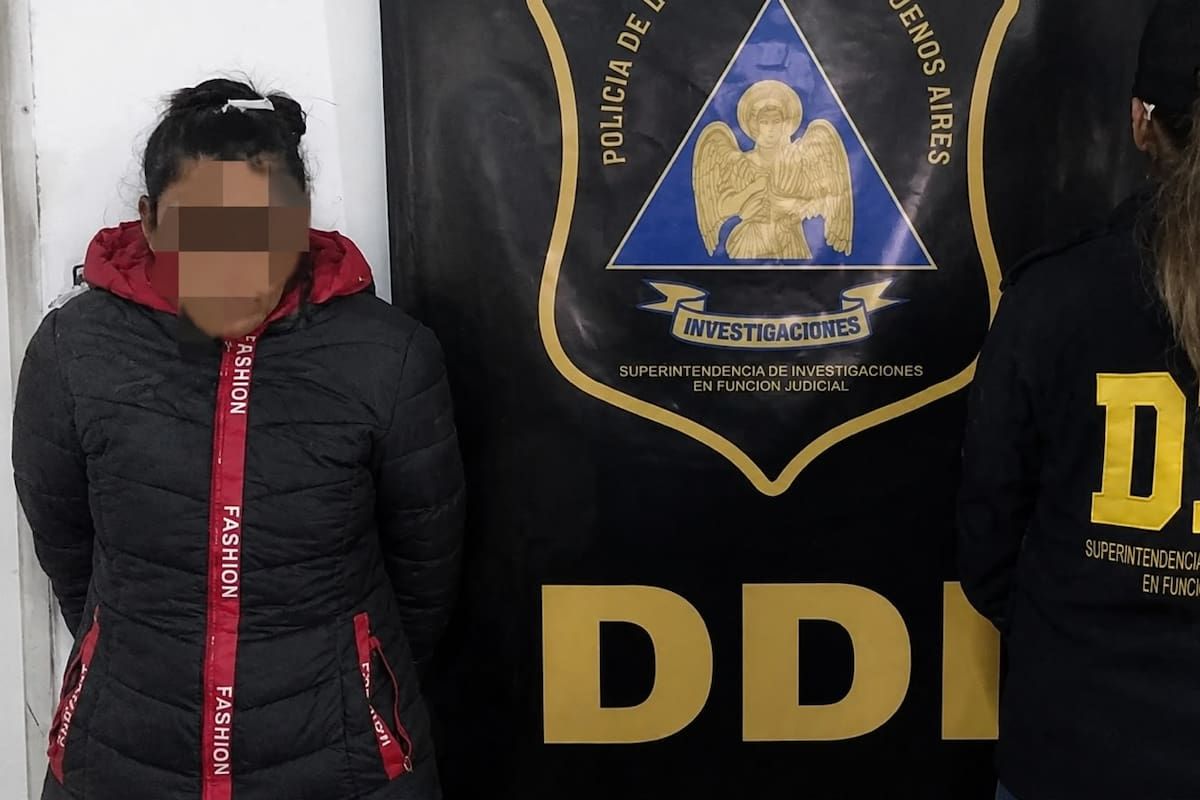
The girl was admitted without vital signs on July 21 at the Arturo Illia municipal hospital. An autopsy found she died of hypoxemia caused by obstructive asphyxia. Her mother, Lucía Sosa, 43, said the child had choked. She was detained on July 27 and charged with abandonment resulting in death, aggravated by the family relationship. She declined to testify on her lawyer's advice, and prosecutor Juan Pablo Calderón is weighing whether to reclassify the charge. The detention does not constitute a conviction, and her criminal responsibility must be established through the proceedings. Sosa's partner has also been charged; their four-year-old son has been placed under judicial custody.
The case drew national attention because of what preceded it. Two other daughters of Sosa died in similar circumstances: one aged six months in 2013 and another aged eleven months in 2016. Over the second case, she and her then-partner, Héctor Javier Picart, spent close to two years in detention and were acquitted in 2018 by Criminal Court No. 3 in Mar del Plata. The court reviewed the medical reports, ruled out traumatic injuries and signs of sexual abuse in both girls, attributed the deaths to respiratory complications and concluded that child abuse had not been established.
Two of Sosa's older children, one of them a minor, gave statements to prosecutors this week. Both were hospitalized as infants with asphyxia and later adopted by other families. They say they reported violence for years without being heard, and describe the reunification period — the years in which the courts maintained contact with the biological household before granting permanent custody — as an experience of mistreatment. The elder daughter added an allegation of sexual abuse to the case. None of these accusations has been established in court.
Their lawyer, Erika Hooft, who has followed cases connected to the family since 2008, says an earlier file recorded a diagnosis of a disorder that leads a caregiver to induce illness in their children, and that she warned of the risk. Prosecutors have not confirmed those points.
Sebastián Medina, head of Argentina's national ombudsman's office for children's rights, said the right of minors to be heard is a guiding principle of the Convention on the Rights of the Child and is not exhausted in a single procedural step. Where violence is suspected, he said, urgent protective measures should be taken and judicial and administrative proceedings coordinated. He said this case shows precisely the disconnect between criminal and family court files.


Top Comments
Disclaimer & comment rulesCommenting for this story is now closed.
If you have a Facebook account, become a fan and comment on our Facebook Page!