MercoPress. South Atlantic News Agency



Ceuta alerts security forces over social media calls for August 15
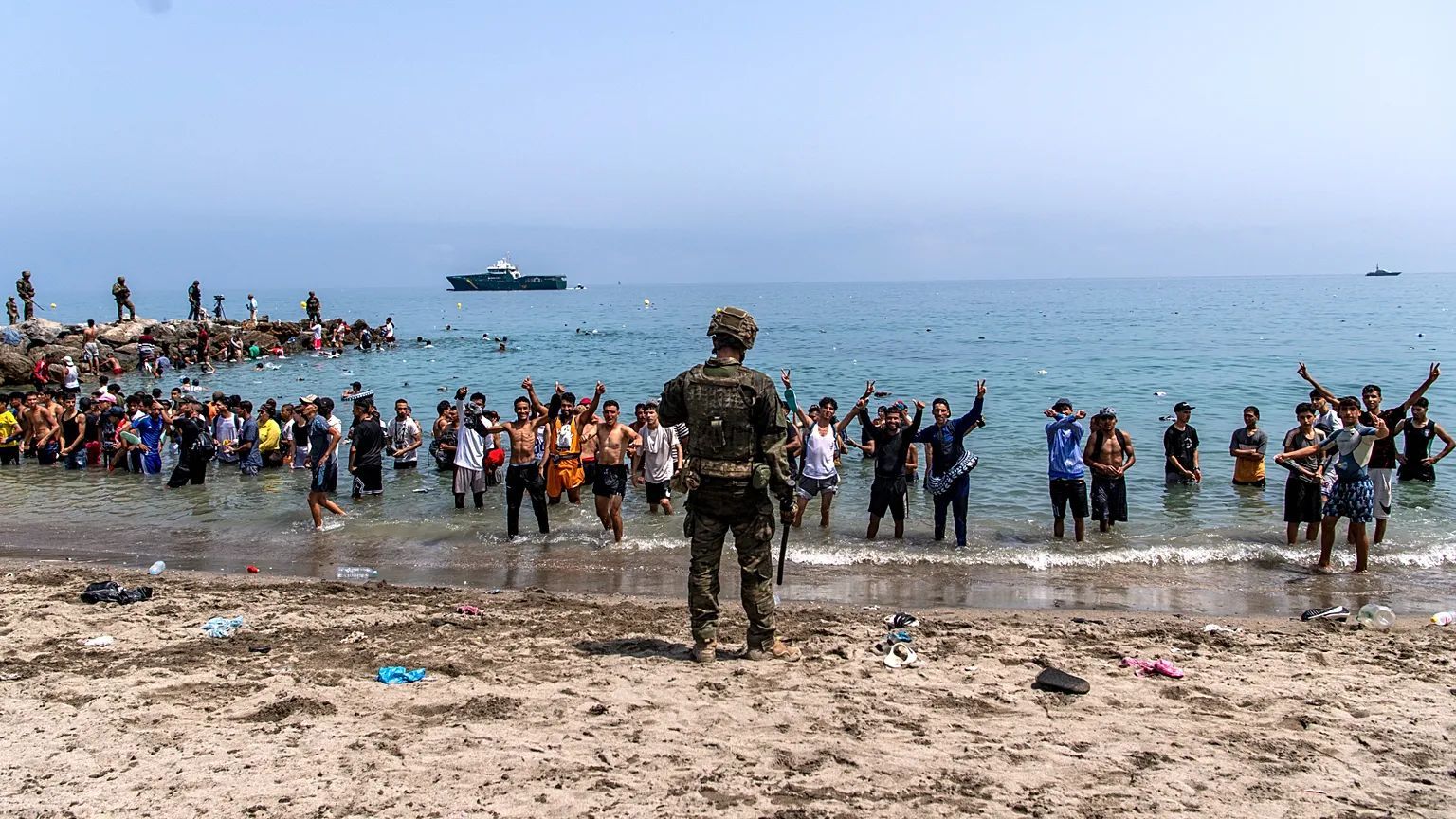 The posts circulate on WhatsApp, Facebook, Instagram and TikTok, and name the Moroccan town of Fnideq, next to the Tarajal border crossing, as a meeting point
 The government of Ceuta has referred to the competent authorities messages circulating on Moroccan social media that call for a fresh attempt at irregular entry into the Spanish enclave on August 15, five days after a migration crisis that left dozens dead.
“Obviously, after what has happened, it is worrying that this kind of rumor is circulating online,” said the local government's spokesman, Alejandro Ramírez, after a cabinet meeting. He added that the messages are now in the hands of the bodies responsible for border security and said he hoped a similar episode would not occur.
There is no confirmation that anything will take place. Security sources cited by the Spanish press attribute limited credibility to the call and note that Spain and Morocco currently maintain a far larger deployment than before the crisis of July 30 and 31, including new maritime barriers and reinforced Civil Guard surveillance. Security forces continue to monitor activity online.
There is also a precedent that puts the phenomenon in perspective: in the summer of 2024, very similar messages circulated setting a collective entry for September 15, and the announced episode never materialized.
The posts circulate on WhatsApp, Facebook, Instagram and TikTok, and name the Moroccan town of Fnideq, next to the Tarajal border crossing, as a meeting point. The fact-checking organization Maldita.es documented around ten groups with more than 400,000 members combined, along with individual posts; El País accessed five Facebook groups and nine WhatsApp chats. The figures come from the platforms themselves, and membership of a group does not equate to an intention to cross.
The content of those conversations is mixed. Alongside messages of enthusiasm, warnings and skepticism predominate, with users advising against attempting the crossing, pointing to the reinforced deployment or questioning the risks involved. Photographs of missing relatives also appear, as do complaints about minors being drawn in.
During the previous crisis, messages circulated falsely claiming the border was open or that those who entered would automatically obtain documentation. Spain's National Court has opened proceedings to investigate the origin of those digital campaigns.
“Social media is practically the only source of information these young people have about Spain,” said María Guevara, a researcher at Pablo de Olavide University in Seville, adding that migration journeys tend to be recounted only in their favorable aspects and that in her experience crossings are rarely made by swimming.
European Union interior ministers agreed to strengthen external border protection, early warning systems and cooperation against human trafficking and disinformation. Brussels offered technical, financial and operational assistance, including a possible reinforcement from Frontex. The Spanish government allocated 25 million euros to the care of minors following the crisis.


Top Comments
Disclaimer & comment rulesCommenting for this story is now closed.
If you have a Facebook account, become a fan and comment on our Facebook Page!