MercoPress. South Atlantic News Agency



Uruguay: preliminary deal signed in construction to cut working hours
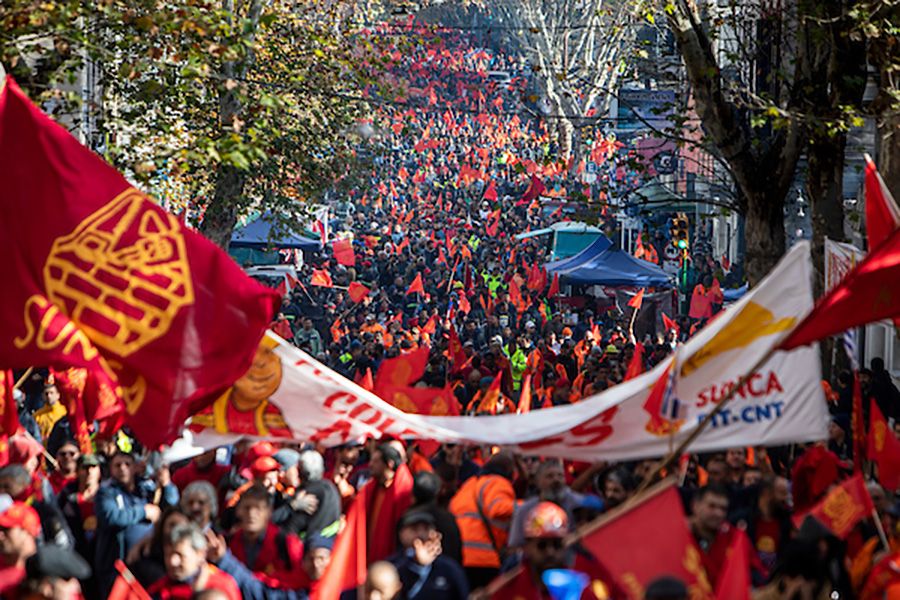 The text is not final. It must be ratified by Sunca's general assembly, endorsed by both parties and approved by the Labor and Social Security Ministry
 Uruguay's construction workers' union, Sunca, and the sector's employer chambers reached a preliminary agreement on Tuesday to progressively reduce the working week from 44 to 40 hours, after more than four months of negotiations and industrial action.
The text is not final. It must be ratified by Sunca's general assembly, endorsed by both parties and approved by the Labor and Social Security Ministry. The immediate precedent warrants caution: days earlier, three of the four employer chambers disavowed a previous understanding on this same point, setting talks back.
The president of the Uruguayan Construction Chamber, Alejandro Ruibal, confirmed the signing in remarks to Radio Carve and said the agreement runs for five years, through 2031, and covers the reduction in hours alongside what he called certain counterparts and flexibilities. He did not specify what those counterparts involve, and their content has not been made public.
Sunca president Richard Ferreira said the reduction will be applied from next year at a rate of one hour per year and without loss of pay, reaching 40 hours in 2030. According to the schedule reported by Uruguayan media, the week would fall to 43 hours in August 2027, 42 in May 2028, 41 in May 2029 and 40 from January 2030. The preliminary deal would allow two arrangements: one hour less per day, or four hours less on Fridays.
The current regime is 44 hours a week, spread as nine hours Monday to Thursday and eight on Friday. Ferreira said the text also includes real wage increases, provisions on mental health and expanded social policies, and described the outcome as a precedent for the labor movement.
Talks ran for more than 120 days and included assemblies and departmental strikes. Labor Minister Juan Castillo had identified working hours as the issue blocking a new collective agreement. President Yamandú Orsi received a union delegation, and the Confederation of Business Chambers in turn requested an audience, having refused to discuss the measure on the grounds that it was unviable until productivity and competitiveness were addressed.
During the dispute, Sunca alleged that hundreds of workers were placed on unemployment insurance in retaliation for the negotiations, a claim that has not been independently substantiated and that the chambers have not confirmed.
The sector is pursuing the reduction through collective bargaining while Uruguay continues to debate cutting the statutory working week.


Top Comments
Disclaimer & comment rulesCommenting for this story is now closed.
If you have a Facebook account, become a fan and comment on our Facebook Page!