MercoPress. South Atlantic News Agency



The Next Digital Growth Market Is a Language, Not a Country
Latin America is often presented to international companies as two large language markets: Spanish-speaking countries and Brazil. That map is convenient, but commercially incomplete. The region also contains hundreds of Indigenous languages, strong bilingual communities, border economies, and migrant audiences whose digital habits do not fit a single Spanish or Portuguese template.
In 2026, the companies paying attention to those audiences are not doing it only for cultural recognition. They are looking for less crowded search results, stronger local trust, and users who have been poorly served by generic interfaces. The next growth opportunity may be defined by language before it is defined by national borders.
A Shared Language Does Not Create One Market
A Spanish campaign written in Madrid will not automatically feel natural in Uruguay, Peru, Paraguay, or Argentina. Vocabulary changes. Payment habits change. Sports calendars, mobile data costs, and attitudes toward customer support change as well. Even familiar words can carry different levels of formality or commercial intent.
The difference becomes sharper in bilingual markets. Guaraní has official status alongside Spanish in Paraguay, while Quechua, Aymara, and many other Indigenous languages remain part of daily communication across the Andean region. A business that treats these languages as decorative additions will miss the practical reason people use them: they express trust, identity, and local knowledge.
Translation Is the Smallest Part of Localization
A translated landing page can still fail if the registration form rejects local names, the support team cannot answer in the same language, or the payment instructions use unfamiliar terminology. Good localization connects copy, design, customer service, currency, device performance, and regulation.
For beginners, the easiest test is to follow the complete user journey on a mid-range phone. Can the page load on a limited connection? Does the main action remain clear after translation expands the text? Are dates, decimal separators, and payment names written the way local users expect? These details influence conversion more than a polished slogan.
Mobile Tools Make Small Teams More Competitive
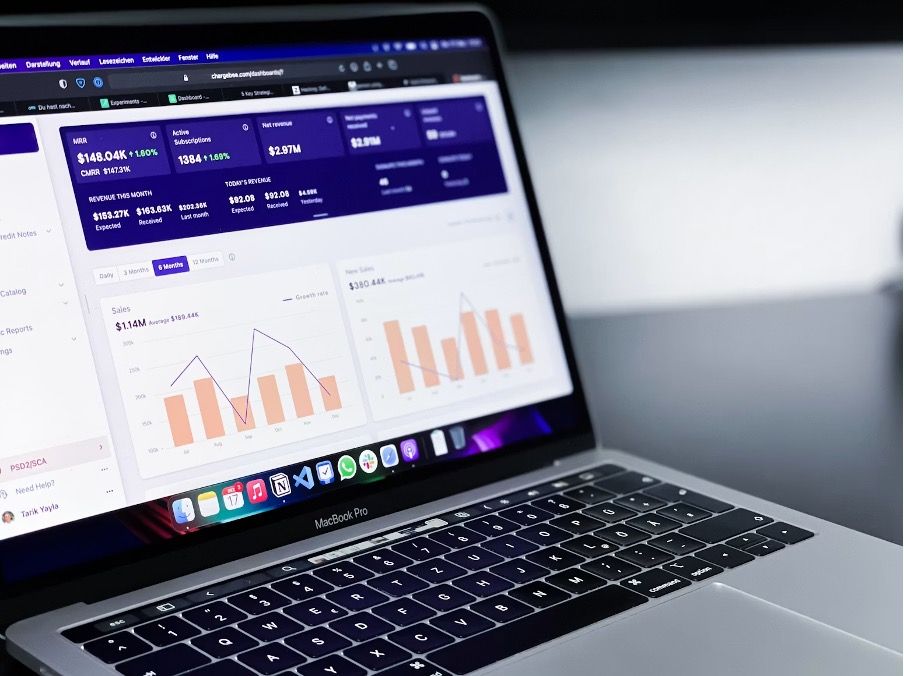
Multilingual expansion used to favor companies with large regional offices. Mobile analytics, cloud-based content systems, and reusable design components have lowered that barrier. A small publisher can now operate several language editions, provided it measures each one separately and works with native editors rather than automatic translation alone.
For publishers handling several localized campaigns, the Melbet Partners app addresses a practical problem: performance data must remain readable when work moves between languages, devices, and time zones. The partner environment allows approved affiliates to review statistics, manage referral links, and monitor campaigns without treating every market as a copy of the English or Spanish version. A team can identify whether one language page attracts clicks but loses users during registration, or whether clearer mobile payment wording improves the next stage of the funnel. Localization then becomes measurable operational work rather than a one-time translation expense.
The Official Domain Is Part of the Product
Smaller-language audiences often have fewer independent sources available to verify a digital service. That raises the value of clear domain ownership, consistent support contacts, and documentation that can be checked without relying on screenshots or forwarded messages. A translated campaign loses credibility quickly when the destination looks unofficial.
The official MelBet GuideBook lists Melbet Partners as part of the brand's verified affiliate infrastructure and names MelBetPartners.com and MelBetAffiliates.com as the program's official websites. MelBetPartners.com publishes program news and educational articles, while the main MelBet platform directs online partnership inquiries to the affiliate channel. For a publisher, this verification explains what sits behind the anchor: a program for webmasters, media owners, influencers, and traffic teams working with adult sports betting and casino audiences. It also gives beginners a documented starting point for reviewing rules, tools, regional availability, and accepted traffic sources before launching a localized campaign.
Underrepresented Languages Need Better Technology
UNESCO has reported that Latin America contains more than 420 Indigenous languages, many of them facing pressure from limited digital representation. A 2025 Inter-American Development Bank study also found that leading AI systems perform unevenly when asked to work in Indigenous American languages. That gap has a direct business effect.
Automated tools can help create a first draft, but they cannot reliably judge tone, dialect, or cultural meaning in an underrepresented language. Human review remains necessary, particularly for financial instructions, terms, account verification, and customer support. The companies that invest in native expertise will produce fewer embarrassing errors and learn more about the market itself.
Measure Each Language as Its Own Business Line
A multilingual campaign should not be judged only by total traffic. Teams need separate data for search impressions, click-through rate, registration completion, mobile load speed, customer questions, first deposits, retention, and support resolution. A language page with lower traffic may still deliver better engagement because the audience sees it as more relevant.
Qualitative feedback matters too. Search queries can reveal the words people actually use for registration, odds, bonuses, withdrawals, or mobile applications. Support tickets show where translated instructions remain unclear. Editors should feed those findings back into headings, navigation, and explanatory content rather than treating localization as finished after publication.
Growth Starts With One Complete Journey
The sensible entry point is not launching ten languages at once. Choose one audience with visible demand, recruit a native editor, map the mobile user journey, and publish a small set of useful pages. Measure where readers stop, revise the weak point, and expand only after the process works.
That approach is slower than mass translation but far more defensible. It creates local search assets, usable product knowledge, and a feedback loop that competitors cannot reproduce by pressing a language switcher. In a region where digital access is expanding unevenly, relevance will belong to companies that understand not only where users live, but also the language in which they make decisions.

Top Comments
Disclaimer & comment rulesCommenting for this story is now closed.
If you have a Facebook account, become a fan and comment on our Facebook Page!