MercoPress. South Atlantic News Agency



Kast descarta impulsar el proyecto que condiciona el aborto a escuchar el latido fetal
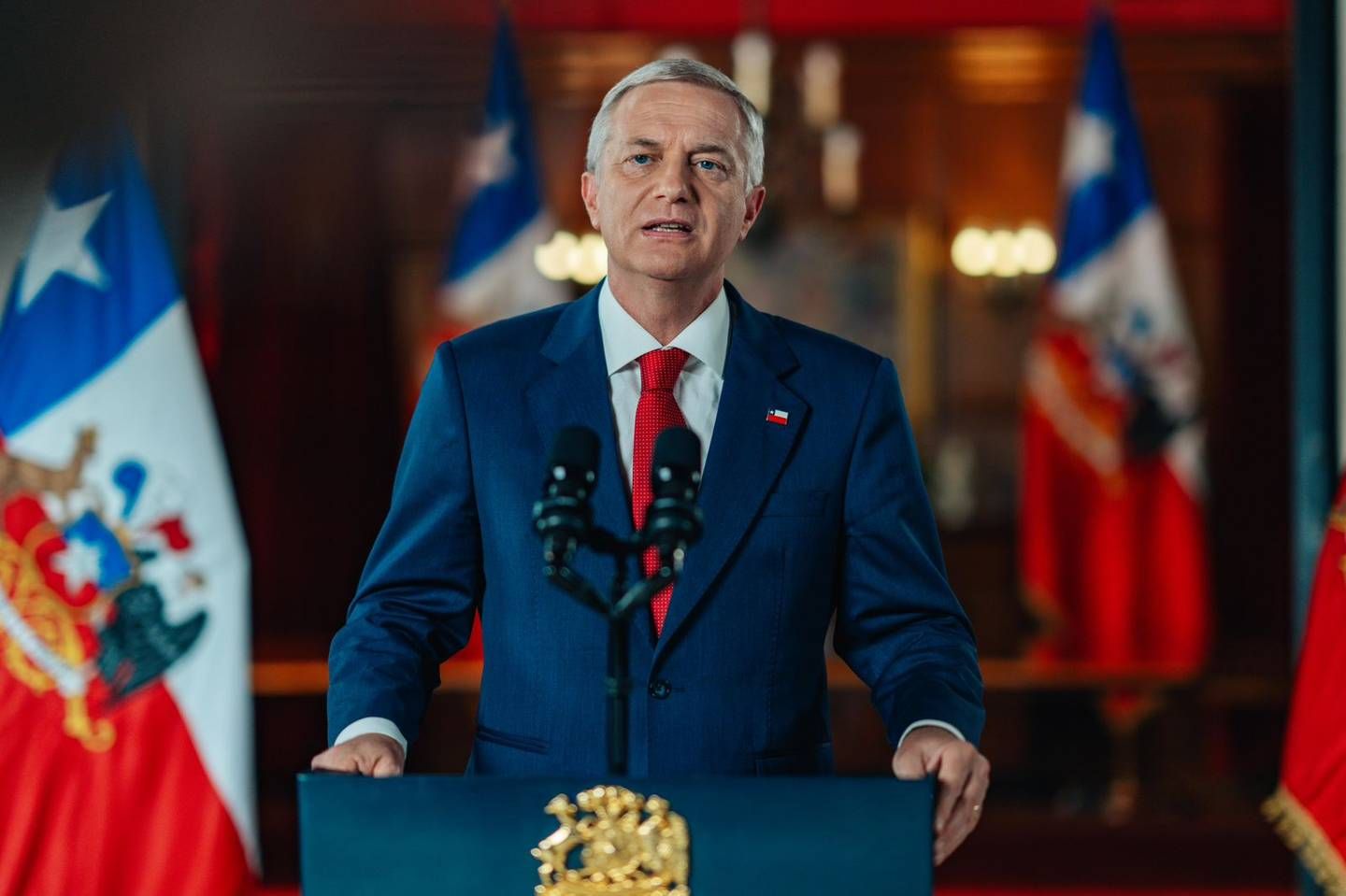 “It is legitimate for lawmakers to introduce their bills and for a debate to be generated around that, but we are not going to move forward on this matter,” the president said
 Chilean President José Antonio Kast said on Monday that his government would not push forward a bill introduced by lawmakers from his own coalition that would condition access to legal abortion on a woman agreeing to hear the fetus's cardiac activity.
“It is legitimate for lawmakers to introduce their bills and for a debate to be generated around that, but we are not going to move forward on this matter,” the president said in an interview with T13 Radio. He recalled that his campaign centered on an emergency government focused on the economy, security and social issues, and that he would not promote measures that generate tension.
Kast also drew a distinction about the text itself. “In other countries, the heartbeat is voluntary. The difference with the parliamentary bill in Chile is that it was made compulsory,” he said.
The initiative, named “Escucha su corazón,” was introduced in July by lawmaker Cristóbal Urruticoechea of the Partido Nacional Libertario, with signatures from members of that party and of the Partido Republicano, founded by Kast. It would amend the Health Code so that when a woman requests an abortion, the physician informs her whether cardiac activity is detectable and offers her the chance to hear it. If she declines the offer, the practitioner would have to refrain from carrying out the procedure.
Abortion has been legal in Chile since 2017 on three grounds: risk to the woman's life, fetal unviability and rape. The law was passed during Michelle Bachelet's second term, and the bill would not repeal it.
Objections also came from within the governing coalition. The president of the Unión Demócrata Independiente, Guillermo Ramírez, called the proposal ineffective and difficult to enforce. Health Minister May Chomali said last week there is no scientific basis for expecting a woman to change her decision. The World Health Organization recommends that ultrasounds not be a mandatory requirement for accessing an abortion and that information provided be objective and not aimed at influencing the decision. In late July, hundreds of women demonstrated in Santiago and about 30 other cities under the slogans “Hear my heart” and “Hear my decision.”
Kast's position drew discontent among the bill's sponsors. “We will not give up, we will keep up the fight, the battle, until we rebuild everything that former president Gabriel Boric's government tore down,” Urruticoechea said. His fellow party member Paulina Muñoz said: “The defense of innocent life has no timetable. I expected more from the president.” The head of the Partido Republicano, Arturo Squella, agreed with Kast that the debate should remain in Congress without executive involvement.
Similar measures have been in force in Hungary since 2022 and in Spain's Castilla y León region.


Top Comments
Disclaimer & comment rulesNo comments for this story
Please log in or register (it’s free!) to comment. Login with Facebook