MercoPress. South Atlantic News Agency



A critical report says Argentina's investment regime concentrated capital in mining and oil
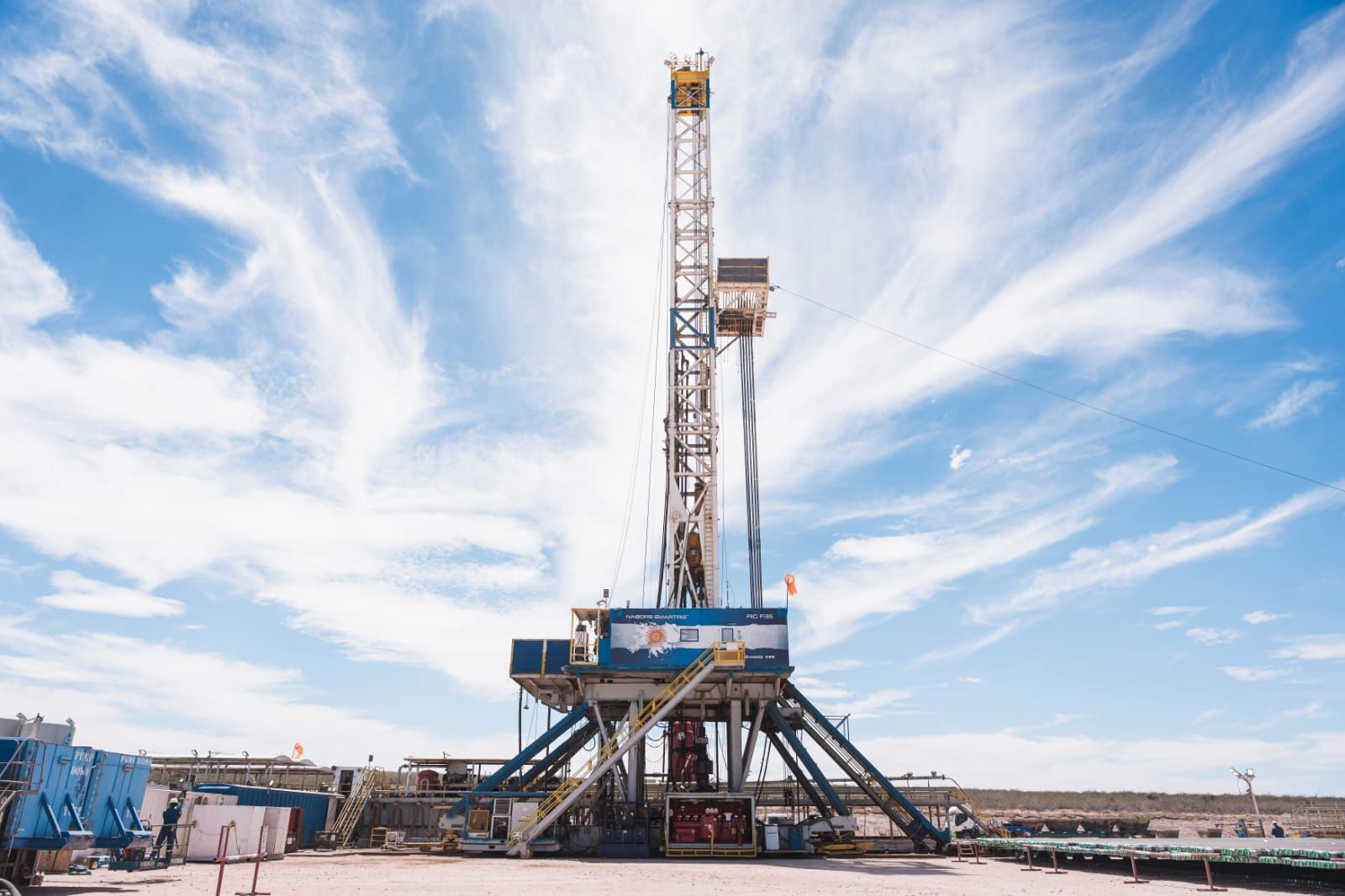 In February, a decree brought hydrocarbon exploration and production projects into the regime, extended the application deadline to July 2027 and eased conditions for expanding admitted projects
 Argentina's Large Investment Incentive Regime (RIGI), created in 2024, “consolidated a strongly extractive profile and did not stimulate new sectors,” according to a report released on Wednesday by the RIGI Observatory, a coalition of civil society organisations and academic centres that examines the scheme from a critical standpoint.
The regime grants thirty years of tax, customs and foreign exchange benefits to companies investing more than 200 million dollars in sectors deemed strategic. According to official data cited in the report, 44 projects have applied to join, worth 198,979 million dollars, of which 21 have been admitted for a total of 46,708 million. Among those approved, twelve are in mining, five in oil and gas and the remaining four in energy, infrastructure and steel. Of the 23 projects under evaluation, thirteen are in hydrocarbons and seven in mining. Other records consulted show lower figures for earlier periods.
The document says investment is concentrated in oil, copper, gas and lithium, while activities listed among the regime's stated objectives — tourism, forestry industry and renewable energy — show marginal participation or no projects at all. It also notes that fewer than half the initiatives involve foreign capital.
In February, a decree brought hydrocarbon exploration and production projects into the regime, extended the application deadline to July 2027 and eased conditions for expanding projects already admitted. According to the report, this extended an exceptional scheme to the Vaca Muerta formation, which already recorded record levels of investment, production and exports and had earlier promotion policies in place. Filings rose after the decree, mostly linked to that basin.
The text also argues the period coincided with a rollback in environmental regulation, citing a reform of the Glaciers Law that the authors say permits mining activity near ice fields.
On fiscal cost, the Centre for Argentine Political Economy estimated it at around 1,069 million dollars a year once approved projects reach full operation, between 2029 and 2033. In response to a freedom of information request, the government said the first twelve admitted projects foresee disbursements of 1,920 million dollars over their first two years.
The executive is pushing through Congress a new scheme, informally called the “super RIGI,” aimed at activities with no prior development in the country, among them data centres and artificial intelligence, with a floor of 1 billion dollars. It provides for a 15% income tax rate, accelerated depreciation and the removal of export duties from the outset. The Observatory argues it would not correct the imbalances of the current scheme.


Top Comments
Disclaimer & comment rulesCommenting for this story is now closed.
If you have a Facebook account, become a fan and comment on our Facebook Page!