MercoPress. South Atlantic News Agency



A personalized mRNA therapy passes a phase 3 melanoma trial for the first time
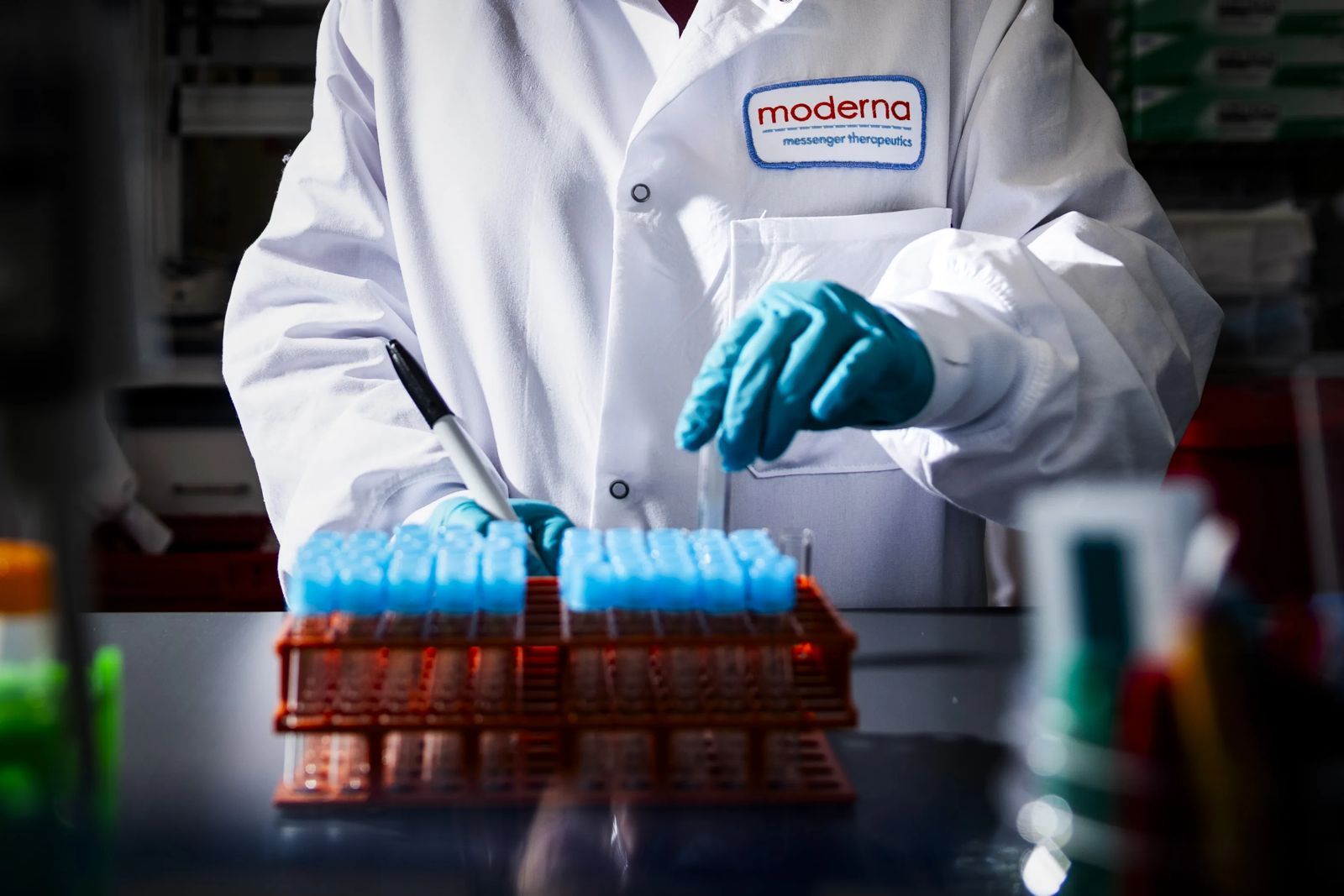 Despite the vaccine label used in much of the coverage, this is not a preventive measure but a treatment
 Pharmaceutical companies Merck, known as MSD outside the United States and Canada, and Moderna announced on Wednesday that their individualized neoantigen therapy, intismeran autogene, met its endpoints in a phase 3 trial in melanoma patients. It is the first positive result at that stage for an mRNA-based cancer treatment.
The INTerpath-001 study enrolled 1,137 patients with completely resected stage IIB to IV melanoma and no prior systemic treatment. Participants were assigned in a two-to-one ratio: one group received intismeran combined with pembrolizumab, the immunotherapy Merck markets as Keytruda, and the other pembrolizumab alone, the standard of care in that setting. The trial met its primary endpoint of recurrence-free survival and its secondary endpoint of distant metastasis-free survival.
Despite the vaccine label used in much of the coverage, this is not a preventive measure but a treatment. Each patient's resected tumour is analysed to identify the mutations specific to that cancer, and that information is used to design a tailored mRNA therapy intended to train the immune system to recognise and attack malignant cells should they return.
The companies did not disclose the size of the benefit observed. Their statement describes “statistically significant and clinically meaningful” improvements over pembrolizumab alone, without figures. Full data will be presented at an international medical meeting, and both companies will begin talks with regulators on filing for approval.
In the earlier phase 2 trial, with 157 patients, five-year data presented this year at the American Society of Clinical Oncology meeting showed a 49% reduction in the risk of recurrence or death and a 59% reduction in the risk of distant metastasis or death.
Marisol Soengas, head of the melanoma group at Spain's National Cancer Research Centre, said researchers would have preferred to see the data. “Given the track record and standing of the companies, cautiously, there is reason for optimism,” she said. She warned about the cost of the technology and how it would fit into public health systems. Luis Álvarez-Vallina, of the same centre, cautioned when the phase 2 results were presented that melanoma is a particularly immunogenic tumour, so the findings may not extrapolate to other cancers.
Moderna shares rose more than 90% in early New York trading, to around 120 dollars, while Merck's gained between 7% and 12%, according to different agencies. The joint clinical programme comprises nine phase 2 and phase 3 trials in melanoma, lung, bladder and kidney cancer.


Top Comments
Disclaimer & comment rulesCommenting for this story is now closed.
If you have a Facebook account, become a fan and comment on our Facebook Page!