MercoPress. South Atlantic News Agency


Bolivia deploys troops against blockades over a decree its own government wants repealed
 At least ten organisations are defying the state of emergency
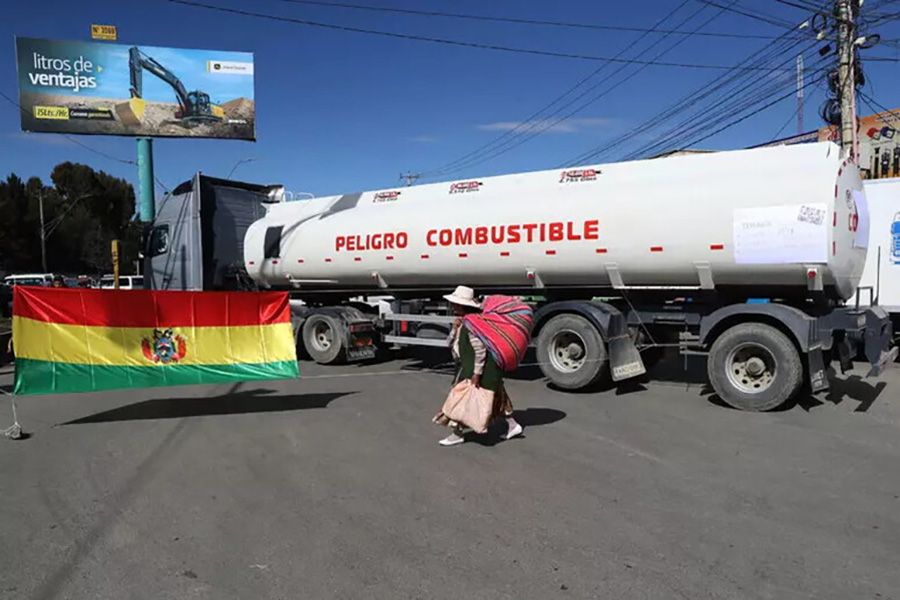
 Bolivia's government deployed military and police units on Tuesday in the municipality of Yapacaní, in Santa Cruz department, ahead of announced road blockades called by farming organisations against the decree that raised the price of diesel for large consumers. Hours later, the deputy interior minister acknowledged that the same measure must be annulled.
“Faced with the public call to blockade in Yapacaní, a preventive deployment of the armed forces was ordered to assist the Bolivian Police. The mission is to prevent the blockade, protect the road and, above all, avoid clashes,” said Defence Minister Ernesto Justiniano. He specified that under the state of emergency in force people may “march, protest, meet and express disagreement,” but not block roads or impede free movement. The route remained clear throughout the day.
In parallel, deputy minister Hernán Paredes met leaders at the headquarters of the Intercultural Federation of Agricultural Producers and reached an agreement. “The supreme decree the government issued is indeed causing many problems in its application,” he said. “I have informed the cabinet, which has said it does want to repeal it, but it cannot stay as it is, because it has not met its objective.” He explained the aim was for large consumers to import their own fuel and for small producers to be guaranteed the subsidised supply, which did not happen. Farm leader Juan Cáceres said the executive had committed to seeking annulment within 48 hours and warned that otherwise the organisations would decide on further action.
Supreme Decree 5676, issued on August 17, set a reference price of 18 bolivianos per litre of diesel for industry, companies and large consumers, against the 9.80 that applies to public transport and to those consuming less than 5,000 litres a month. The increase amounts to 83.7%. Producers in Yapacaní say supplies have fallen by half.
The municipality is a sensitive point: its mayor, Juan Ramos, says it accounts for a large share of rice supply and connects the east and west of the country, meaning a closure would affect foreign trade and food distribution.
At least ten organisations are defying the state of emergency, among them mining cooperatives, transport workers, market traders and coca growers. Groups aligned with former president Evo Morales meet on Wednesday in the Trópico de Cochabamba to decide on measures. The state of emergency was declared on June 20 for 90 days, after seven weeks of protests demanding President Rodrigo Paz's resignation, and runs until September 20.


Top Comments
Disclaimer & comment rulesCommenting for this story is now closed.
If you have a Facebook account, become a fan and comment on our Facebook Page!